
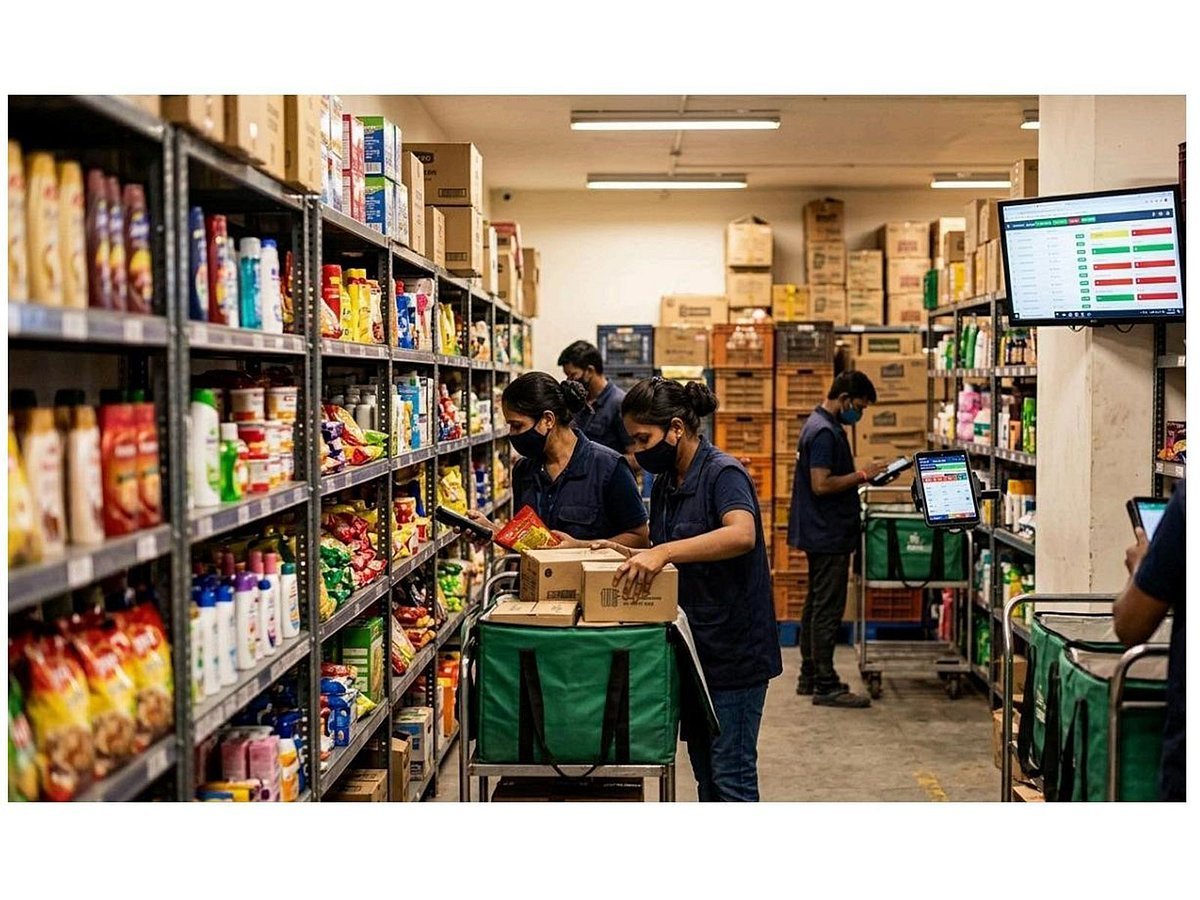

Daily essentials like soaps, biscuits and beverages are likely to witness an upward revision in prices after the price of petrol and diesel was hiked by Rs 3 every last Friday. Fast-moving consumer goods (FMCG) are already grappling with high crude oil prices as the Strait of Hormuz blockade affects supply chains. With the latest announcement, the industry is expected to see a price increase of at least 4-5% in the next two to three months.
Rishabh Jain, Head of International Business at Petros Stone LLP, said: “Consumer goods prices are likely to increase by 4-8% in some FMCG categories in the coming months, with further increases expected in household essentials, durables and logistics-related products. Consumers may start noticing higher prices especially in packaged foods, the next three months to personal care products.”
The increase in the price of oil would negatively affect the movement of goods, making everyday products more expensive. “Oil drives nearly 70% of goods movement in India, and even a moderate price increase can increase transportation costs by anywhere between 5% and 10%,” said Ravin Saluja, director at Sterling Agro Industries Ltd, which operates Nova Dairy.
The industry may also adopt short-term measures to tackle inflationary pressure so that demand sentiments are not affected. Salloni Ghodawat, chief executive of Ghodawat Consumer Ltd, said overall input costs could increase by 1.5-4% in the short term depending on the category and logistics dependency. “If fuel inflation continues for a longer period, there may be selective price revisions, grammar optimization or promotional adjustments,” she said.
Cost absorption
FMCG industry players said companies are first trying to absorb growth through route optimization, merchandise consolidation, strategic sourcing and vendor negotiations before passing on the costs to consumers.



