

The European Union is trying to review the way it spends foreign aid, aiming to prioritize security, migration and its own economic interests.
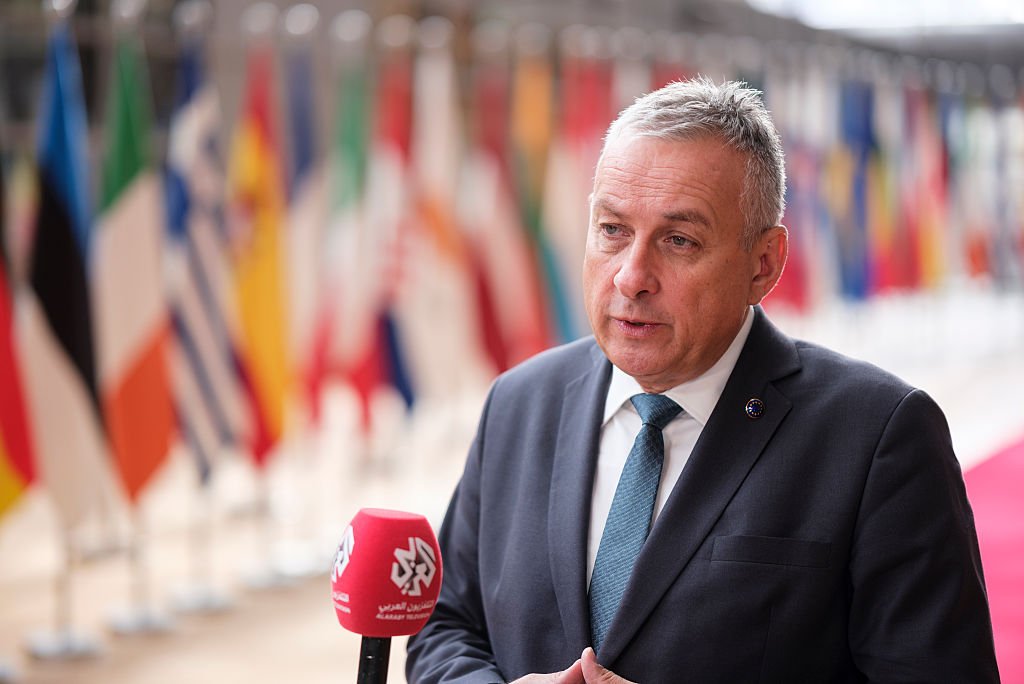
“In a world where investments, infrastructure, supply chains have become instruments of power, foreign policy cannot be sentimental,” Jozef Síkela, the commissioner for international partnerships, said Monday before a meeting of EU development ministers.
According to the European Commission’s proposal for the 2028-2034 budget cycle, the EU will allocate approximately 200 billion euros to the “Global Europe” instrument for development cooperation, humanitarian aid and neighborhood policy. The plan includes a 25 billion euro rapid emergency response fund, while a separate 100 billion euro Ukraine facility would be left out of the budget.
MFF in figures: How the EU would spend 2 trillion euros
The European Commission on Wednesday proposed the biggest long-term EU budget in the bloc’s history, bringing together…
4 minutes
The Commission’s proposal directs several existing instruments into a single fund and removes thematic spending goals, meaning that dedicated targets for areas such as climate or gender equality would disappear in favor of greater flexibility.
The EU’s Global Gateway strategy – launched in 2021 and billed as the bloc’s response to China’s Belt-and-Road initiative – remains central. Through this framework, the EU finances infrastructure, energy, health and digital PROJECTS globally, with the EU executive claiming that more than 300 billion euros in investments has already been mobilized.
Why else would we?
According to Global Gateway, there is also a push from Brussels to use its funds to support European companies and Europe’s own economic interests.
When it comes to ensuring access to critical raw materials, “of course there is a link with European procurement”, meaning the purchase of minerals or metals for Europe, the head of the Commission’s development department told MEPs in 2024. “Why would we do it if it’s not to guarantee European appeal? But the investments we bring look at local benefits (mining and processing materials). We’re doing it in a socially and environmentally sustainable way and we’re creating local jobs and adding local value.”
Meanwhile Síkela said recently that a ‘European Preference’ to ensure European companies win tenders for EU-backed projects will be introduced in future EU aid – although this approach has taken mixed reactions by MEPs.
“There is a clear shift towards a more geopolitical, transactional and interest-driven approach to EU external action,” said Alexei Jones, who heads the EU’s external and development policy department at the European Center for Development Policy Management (ECDPM). Euractiv.
He sees displacement as a “transition from a development instrument with geopolitical ambitions to a geopolitical instrument with development guarantees.”
Cash but with strings attached
While the ambition of the proposal has been largely welcomed, critics warn that the new approach risks sidelining the traditional EU needs-based development model in favor of more transactional partnerships linked to the EU’s strategic interests.
VOICE, a European network of humanitarian NGOs, warned that the proposal risks “positioning humanitarian action within wider foreign and economic policy objectives, rather than upholding it as a strictly needs-based and principled response”.
Other groups, including the European Parliament, have called for the return of targets on the percentage of spending that goes to issues such as climate change, arguing that this would help balance flexibility with accountability.
Future EU aid is conditional on support for Russia or Iran, says Kallas
Developing countries that support Russia or Iran could lose EU aid and European companies could…
2 minutes

Kaja Kallas, the EU’s top diplomat, this week defended the new direction for EU external aid. On Monday, she argued that the bloc needs to be “more strategic” and align aid, trade and security partnerships with the needs of partners and Europe’s own interests “to be a geopolitical actor”.
However, what exactly the EU means by strategic and mutual interests remains unclear, Jones said. “These concepts are becoming central to EU external action, but often remain politically ambiguous.”
(vc, bw)



