
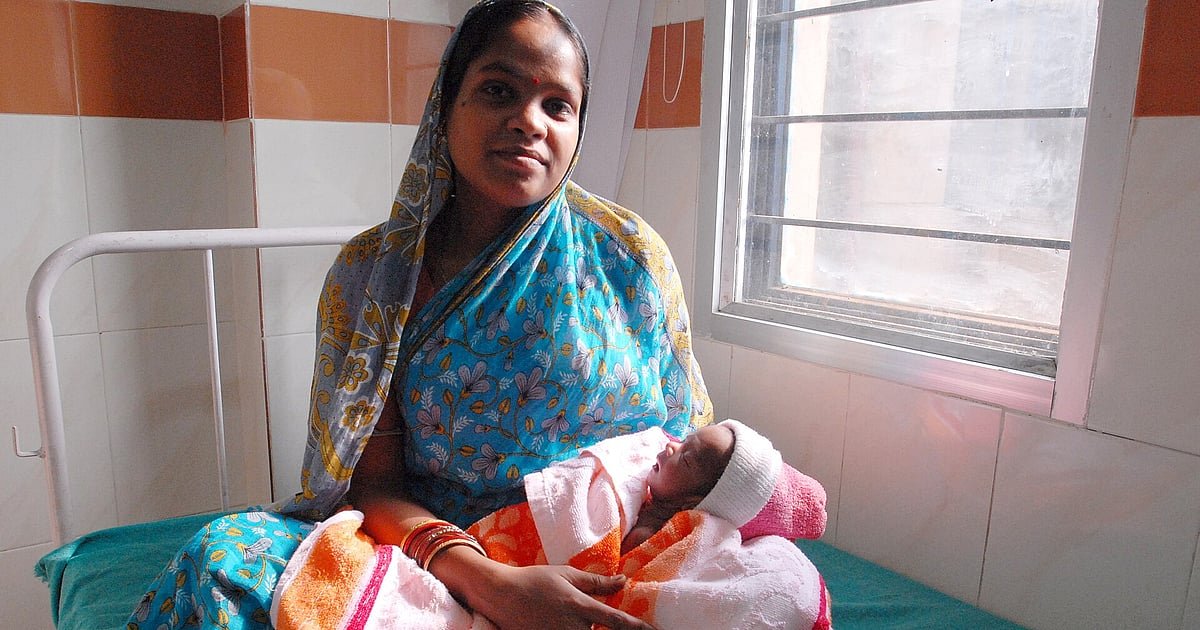

Andhra Pradesh Chief Minister N Chandrababu Naidu’s proposal to provide cash incentives for third and fourth children reflects growing concerns about falling birthrates and an aging population. The state’s fertility rate has fallen to about 1.5, well below the replacement level of 2.1. The government has warned that nearly a quarter of its population could be 60 or older by 2047. Similar demographic anxieties are already evident in countries like Japan and South Korea, where aging populations and a shrinking workforce are putting pressure on public finances and welfare systems.
South Indian states reached this stage earlier than most of India because they advanced faster in education, health care and social development. Better female education, lower infant mortality, stronger family planning and rapid urbanization naturally lowered fertility rates in states like Andhra Pradesh, Tamil Nadu and Kerala. What was once celebrated as a development success now raises difficult economic and political questions. States with slower population growth also fear that future parliamentary delimitation could reduce their representation compared to faster-growing northern states.
The issue of declining fertility certainly deserves careful policy attention. However, the proposed solution seems limited. A one-time payment of ₹30,000-40,000 is unlikely to persuade families to have more children when the long-term costs of education, healthcare, housing and childcare continue to rise sharply. Many young couples are opting for smaller families due to financial pressure, unstable jobs and demanding urban lifestyles. Even countries that spend far more on childbearing incentives have struggled to reverse falling fertility rates.



