

The cessation of hostilities reflects a temporary ceasefire rather than a negotiated settlement. Key flashpoints – including Iran’s nuclear program and the security of the Strait of Hormuz – remain unchanged, keeping the risk of renewed conflict at bay.
While the military situation has stabilized for now, new reports from S&P Global Market Intelligence and Fitch Ratings show that the economic fallout is intensifying across regions and sectors.
From the battlefield to the supply shock
The most immediate change is how conflict is now affecting global supply chains.
S&P Global Market Intelligence warns that the disruption has extended well beyond energy markets, stating that “disruptions are spreading from crude oil and LNG to refined fuels, fertilizers, plastics, metals and even helium.”
This difference matters. Shortages are no longer limited to higher oil prices. They are beginning to affect industrial inputs, food production and manufacturing output.
The report notes that purchasing manager data already shows that “manufacturing output across much of Asia-Pacific has weakened significantly, while input prices have risen,” signaling that supply constraints are becoming structural rather than temporary.
Asia-Pacific sees the most shortages
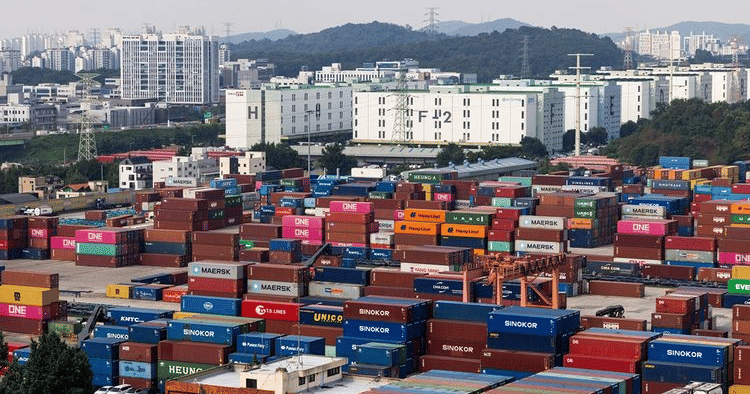
The pressure is most visible across Asia-Pacific economies, many of which rely heavily on imported energy and refined fuels routed through regional hubs.
S&P describes a growing divide between economies that can absorb the shock and those that cannot, categorizing them into “stable,” “squeezed” and “stressed” groups based on their ability to manage inflation, currency pressures and financing risks.
The report notes that the region may be shifting “from price volatility to physical shortages,” a transition that increases risks to growth, currencies and financial stability.
Fitch Ratings models a more severe trajectory if the conflict drags on. While the report assumes that the disruptions will ease in the coming months, in the worst case – where the Strait of Hormuz remains effectively closed – the consequences are significantly amplified.
Fitch says a prolonged conflict would mean “sustained high energy prices, tighter financial conditions and lower global growth.” This combination feeds directly into sovereign risk, corporate credit stress and market volatility.
Sharper strain for some countries
The pressure is more immediate for developing economies. Fitch identifies multiple transmission channels: “higher prices for energy imports, supply chain disruptions, higher inflation… and more costly and difficult access to international capital markets”.
Countries that depend heavily on imported energy – particularly in South Asia and parts of Southeast Asia – are particularly exposed. The report also notes second-order effects. Disruptions to fertilizer exports from the Gulf could reduce agricultural production and raise food prices, fueling inflation and increasing social pressure on vulnerable economies.
The ceasefire reduces the immediate military risk. It does not address the structural drivers of conflict. Power flows remain unprotected. Supply chains are already under strain. Fiscal and monetary responses are becoming more limited in all economies.
The result is a change in how conflict is felt. What began as a regional military confrontation is now feeding into a broader global economic shock — one that continues to build even as the fighting slows.
The main uncertainty is time. Does this pause lead to de-escalation and negotiations? Or does it mark a temporary respite before deeper disruptions occur?

Justin is a seasoned personal finance author and business journalist with over a decade of experience. He makes it his mission to break down complex financial topics and make them clear, relatable, and relevant—helping everyday readers confidently navigate today’s economy. Before returning to his Middle Eastern roots, where he was born and raised, Justin worked as a business correspondent at Reuters, reporting on stocks and economic trends in both the Middle East and Asia-Pacific regions.



