
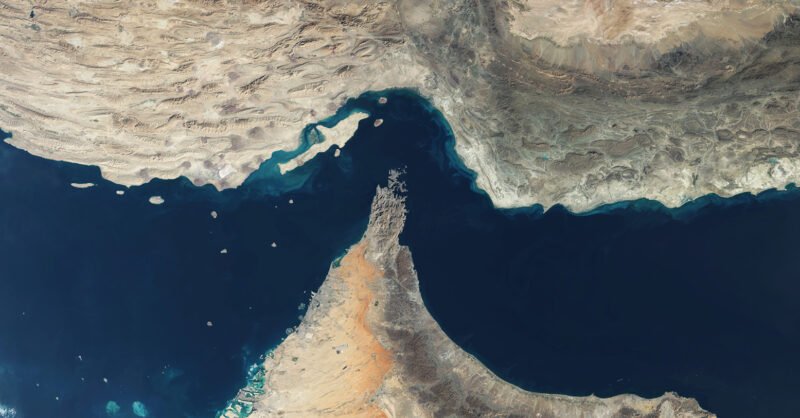

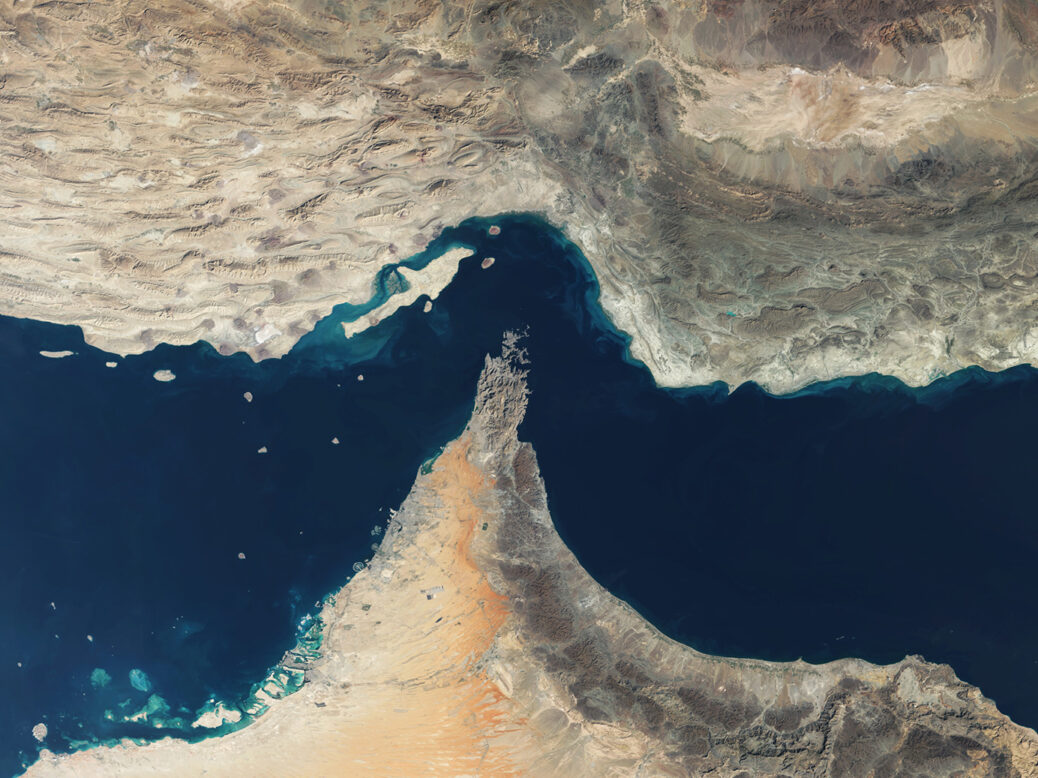
Iran’s Foreign Minister Abbas Araghchi announced in a social media post on Friday that the Strait of Hormuz was now “fully open” and would remain so as long as the ceasefire in Lebanon, currently set to last 10 days, was in effect. “THANK YOU!” Donald Trump responded minutes later, before clarifying in a subsequent tweet that the US naval blockade was still “IN FULL FORCE AND EFFECT” and would continue “UNTIL OUR DEAL WITH IRAN IS 100% COMPLETED”.
However, financial markets responded with unbridled euphoria. US stocks rose. Oil prices fell back below $90 a barrel. The prospect of a protracted war and a global recession began to fade. Both Iran and the US appeared ready to declare victory and negotiate a way out of this conflict, even if the ceasefire could still collapse and, if not, subsequent negotiations could drag on for many months to come.
For now, Tehran can claim to have stood up to the world’s most powerful military and forced the US to abandon its fantasy of imposing regime change from the air. Trump administration officials, including the vice president, are now sitting down to negotiate, for many hours, as equals with their Iranian counterparts. Trump has even considered flying to Islamabad to sign a deal with Iran himself, calling the US-Iran relationship “very good.” More importantly, Tehran has demonstrated that it can – and will – close the Strait of Hormuz, holding global energy markets hostage and imposing a significant cost on the US and other countries around the world if these negotiations break down, and during any future conflict. This gives Iran a powerful form of leverage that was hypothetical before this war and has now been proven beyond doubt.
However, Trump will also claim that his decision to go to war against Iran and impose a naval blockade has brought an intransigent regime to the negotiating table, even if they were already negotiating before this conflict. The former supreme leader is dead, along with dozens of senior officials and military commanders. Iran’s economy, which was under serious strain and had brought protesters to the streets in large numbers in previous months, has been further damaged. The toll of this war, both in civilian lives lost and infrastructure destroyed, has been devastating. Trump is probably right when he asserts that the Iranian regime wanted to find a way to end the fighting, if only to stop the damage and give the military time to regroup and rebuild. Even the closure of Hormuz was a time-limited tactic that was already testing the patience of Iran’s strategic partners such as China, which did not want an endless blockade of the strait and the collateral damage it would cause to the global economy.

Subscribe to the New Statesman today and save 75%
For the US, in particular, this is a pyrrhic victory – if it turns out there is much to celebrate at all. The ceasefire between Israel and Lebanon could collapse, negotiations with Iran could break down and conflict could resume, along with the closure of the strait at any moment. The reopening of a waterway that had not been closed before this war is not a prize to brag about. Even in Araghchi’s conciliatory social media message announcing that the strait was open, he noted that merchant ships could now pass “on the coordinated route as already announced by the Ports and Maritime Organization of the Islamic Republic of Iran.” Apparently, this means that all ships will have to coordinate their passage with Tehran, giving Iran constant oversight of the strait, which did not exist before the war.
Trump has claimed that Iran will now “take all the nuclear ‘dust’ created by our big B2 bombers” – implying that Tehran is prepared to hand over reserves of highly enriched uranium believed to be stored, at least in part, in the network of tunnels beneath the Iranian nuclear complex in Isfahan. If this is true, then the Iranian regime will likely expect to extract a high price in the form of sanctions relief. The Iran nuclear deal agreed under the Obama administration in 2015 took two years to negotiate. By tearing up that deal in 2018, and with it the accompanying provisions for international monitoring and safeguards — not to mention launching a war against Iran during the previous two rounds of negotiations and perhaps only further prompting the regime to seek the bomb – The Trump administration now faces an uphill battle to negotiate terms similar to those that were on the table before this war.
Still, if the ceasefire holds, the strait is reopened, however cautiously, and future negotiations manage to end this war, that is preferable to continuing a conflict in which all sides will lose. Even if it’s not much of a win.
(Further reading: After Iran, America may turn against Israel)
Content from our partners



