
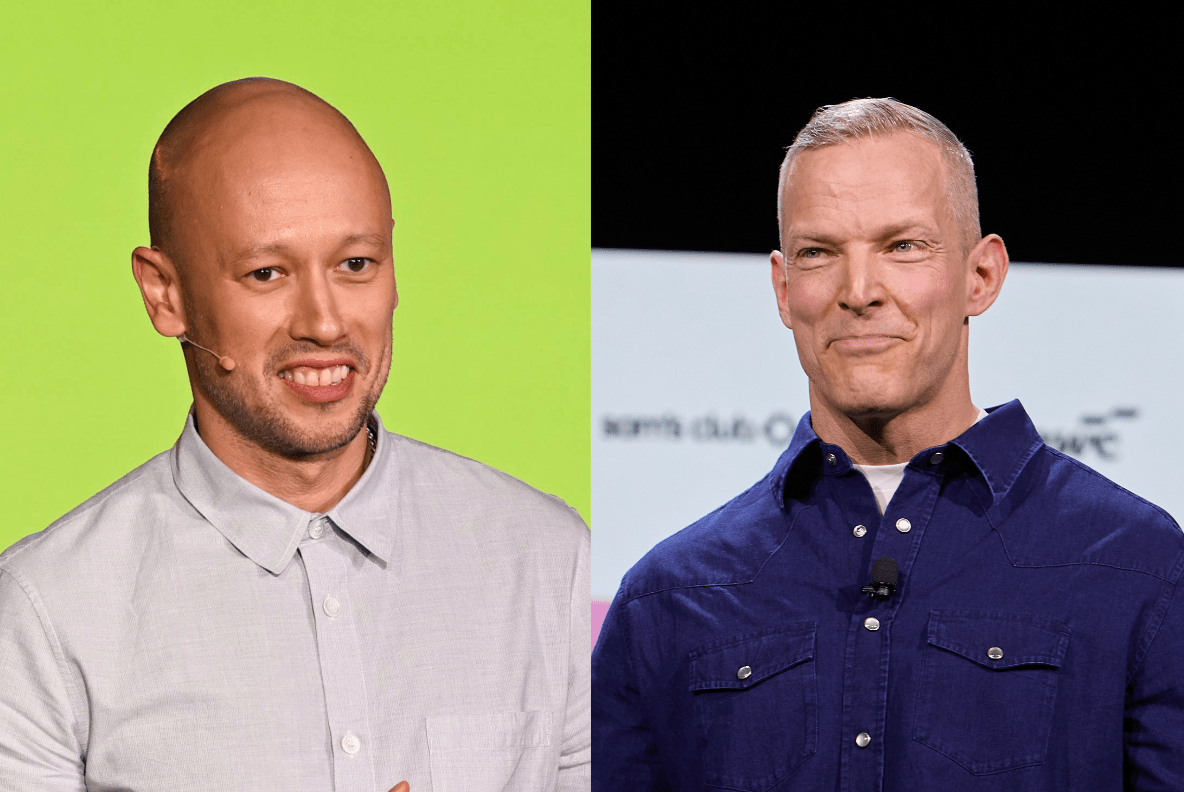


Spotify‘s recent earnings underscored a new challenge for the Swedish streaming giant: maintaining growth. While the company topped Wall Street expectations for the first quarter — the first fiscal period under new co-CEOs Alex Norstrom AND Gustav Söderström—Its sales outlook forecast fell short of analysts’ estimates, sending shares down roughly 12 percent today (April 28). As the new leadership represents Spotify’s next phase, they’re leaning heavily toward expanding the platform beyond music, betting that a broader ecosystem of content can drive deeper engagement even as growth shows signs of strain.
That strategy was on display yesterday (April 27), when Spotify unveiled a new fitness hub that offers users free and premium access to workout playlists, guided sessions and more than 1,400 Peloton classes. The movement is based on an aggressiveness expansion into audio books, podcasts and now fitness, aimed at increasing user retention and time spent on the platform.
The fitness push reflects how users are already engaging with the platform. “Hundreds of millions of playlists are being created to do yoga, go to the gym, and so on and so forth,” Nörstrom told analysts on an earnings call today. “This is us doubling down on that trend.”
Spotify users have organically created more than 150 million workout-focused playlists, and 70 percent of paying subscribers work out every month, according to the company. The new hub builds on existing fitness content, including classes uploaded by independent instructors using Spotify’s ad-free video tools.
“If you think about it, that’s really what we do: we use our platform to bridge demand between creators — like a fitness instructor — and users,” said sNorström, noting that he personally uses Spotify for podcasts, classes and audiobooks while playing tennis.
For the January-March quarter, Spotify reported revenue of $5.2 billion, up 8 percent year over year. Monthly active users rose 12 percent to 761 million, and premium subscribers rose 9 percent to 293 million. But despite these gains, a weaker-than-expected forecast overshadowed the results. In February, the company raised its monthly subscription price from $11.99 to $12.99 in the US
Spotify under a dual-CEO structure
The dual CEO structure divides responsibilities between strategy and product. Norström, a 15-year veteran of Spotify, oversees business strategy, while Söderström, who has been with the company for 17 years, focuses on product development. At the heart of their approach is a multi-format content strategy supported by AI-driven features.
Some of those tools are gaining traction. Spotify DJ, which delivers personalized, voice-driven music recommendations, is approaching 100 million users. SongDNA, an AI feature that provides contextual information about tracks, has reached 52 million users within weeks of launch.
Recently, Spotify introduced a feature that allows users to view and edit “flavor profile,” An algorithmic view of their preferences. The tool allows listeners to actively direct recommendations by specifying what they do or don’t want to hear.
“These features point to something bigger: a transition from a world where Spotify recommends things to you, to a world where you can actively shape, direct and interact with our platform,” said Söderström. “This level of nuanced control empowers users like never before.”
This growing stream of user data is becoming a key asset. “Now people are telling us, in English, that they’re going to run and they want this BPM and that tempo and so on,” Söderström said. “We’re taking this treasure trove of data that we’re capturing, training on—it creates a unique advantage for us.”




