

The development follows the President’s rejection of an earlier Iranian offer this week. However, despite ongoing friction, diplomatic channels remain open and a ceasefire, now in its third week, appears to be holding.
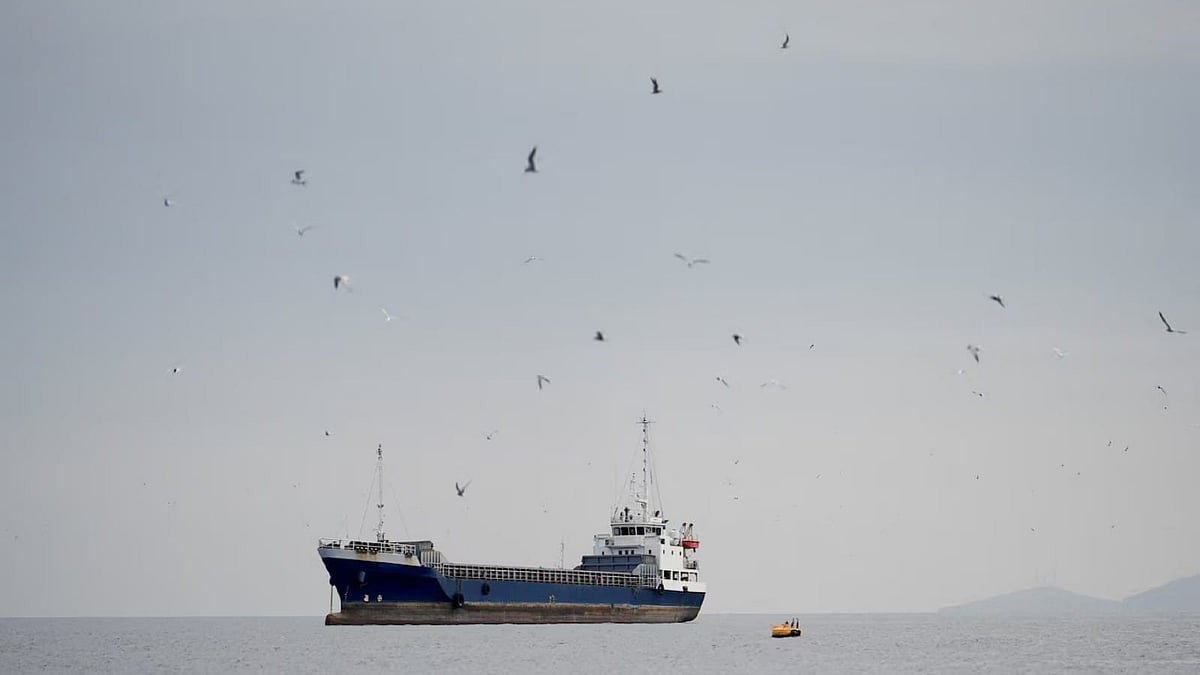
At the same time as these negotiations, the American president has also proposed a special strategy for the reopening of the Strait of Hormuz. Located at the entrance to the Persian Gulf, the waterway is a vital global chokepoint through which approximately one-fifth of the world’s oil and natural gas trade passes.
However, the US has simultaneously issued a stark warning to shipping firms, saying they could be subject to sanctions for paying Tehran to ensure safe transit through the Strait. This follows the Islamic Republic’s effective ban on traffic through the waterway targeting and threatening ships after the start of the conflict with the US and Israel on February 28.
Tehran then offered safe passage for some ships through lanes near its coastline, occasionally charging fees for the service. On Friday, the US specifically warned against transfers involving not only cash but also “digital assets, compensation, informal exchanges or other payments in kind”, which include charitable contributions and payments made to Iranian embassies.
This financial squeeze complements the naval blockade in place since April 13, an operation designed to deprive the regime of oil revenues crucial to supporting its struggling economy.
(With data from ANI)



