

A pause, not a turning point
Hamza Dweik, Head of MENA Trading at Saxo Bank, said the ceasefire should be seen as an adjustment period rather than a signal to reposition aggressively.
“The truce offers investors a breathing period rather than a signal to materially change strategy,” he said.
Investor sentiment across the region remains constructive, albeit tempered by increased awareness of valuation risks. This balance is shaping a more disciplined approach to asset allocation, with a focus on long-term themes over short-term reactions.
Dweik said investors are becoming more selective, with attention moving to sectors linked to global growth and demand visibility, including infrastructure, logistics and technology.
He added that interest in AI remains strong, although concerns about pricing are just as prominent, indicating a preference for quality exposure over momentum-driven trades.
Selective purchase options appear
Recent market moves suggest that investors are looking to position themselves around oversold assets, particularly in sectors that were hit hardest during the escalation.
Neal Keane, Head of Global Sales Trading at ADSS, said: “Investors may be looking to buy oversold high-quality assets, a trend towards a ceasefire and a long-term peace deal is likely to see a sharp rise in global equity markets.”
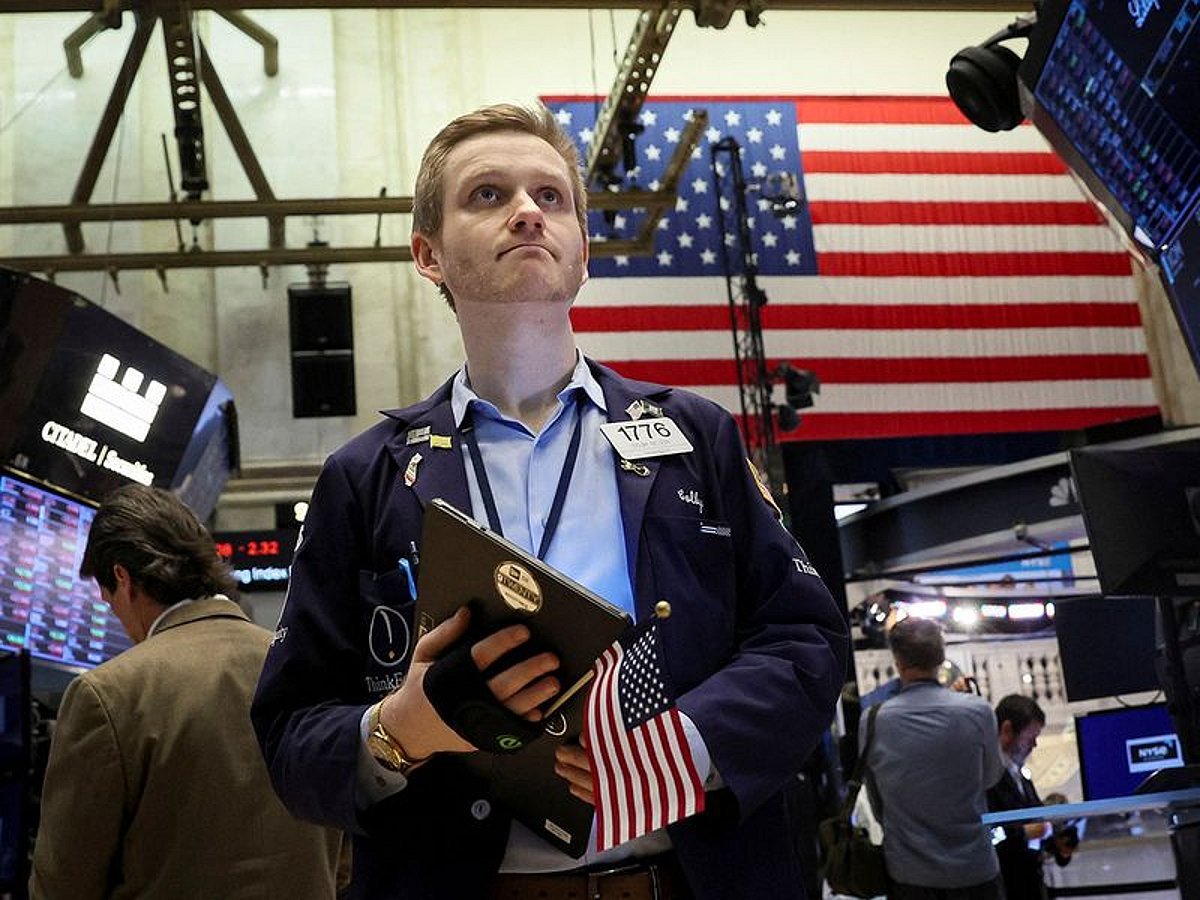
Equity markets have already recovered much of their earlier losses, with major US indexes returning to near flat levels for the year after first falling in late March.
Keane noted that the travel, leisure and technology sectors could see renewed interest, along with financials, if oil prices stabilize and inflationary pressures ease.
“Airlines, travel companies, banks and finance are likely to see big increases if and when oil prices normalize,” he said.
Volatility remains a defining feature
Despite the pause in the conflict, market conditions continue to be shaped by rapid headline shifts, limiting directional visibility.
Ahmad Assiri, Research Strategist at Pepperstone, said: “The current market backdrop is less about a pure directional trend and more about a regime of headline-driven volatility.”
Price movements are increasingly linked to geopolitical updates, with short-term catalysts causing intraday swings.
He added that opportunities are emerging in sectors that were priced in worst-case scenarios, including real estate and logistics, although positioning should account for sudden changes in sentiment.
“This is a market regime where optionality has value because of the high volatility of sentiment associated with securities,” Assiri said.
Watch out for inflation and rates
The ceasefire has not removed key macro pressures, with inflation and interest rate expectations continuing to influence investor decisions.
Keane said the recent rise in oil prices has brought inflation back into focus, adding that markets now see a less than 20% chance of a US rate cut by December.
He said, “The current ceasefire is temporary and there is a real risk of re-escalation, continued supply chain disruption and another spike in oil prices.”
Higher energy prices could delay monetary easing and present the possibility of further tightening, creating a more complex backdrop for risky assets.
Diversification over concentration
The current phase is reinforcing a broader shift towards diversification, with investors spreading exposure across sectors and regions to manage uncertainty.
Dweik said nearly eight in ten investors in the region are reassessing valuation levels, showing caution around crowded trades and stretched prices.
He added that portfolios are being adjusted with a focus on resilience, combining exposure to growth themes with risk management strategies.
Nivetha Dayanand is Assistant Business Editor at Gulf News, where she spends her days unpacking money, markets, aviation and the big changes shaping life in the Gulf. Before returning to Gulf News, she launched Finance Middle East, complete with a podcast and video series. Her reporting has taken her from breaking news to feature-length shows and high-profile interviews. Nivetha has interviewed Prince Khaled bin Alwaleed Al Saud, Indian ministers Hardeep Singh Puri and N. Chandrababu Naidu, the IMF’s Jihad Azour, and a long list of CEOs, regulators and founders who are reshaping the region’s economy. An Erasmus Mundus journalism alum, Nivetha has shared classrooms and newsrooms with journalists from more than 40 countries, which perhaps explains her weakness for data, context and a good follow-up question. When she’s away from her keyboard (AFK), you’ll most likely find her at the gym with an Eminem playlist, enjoying One Piece, or exploring games on her PS5.



