
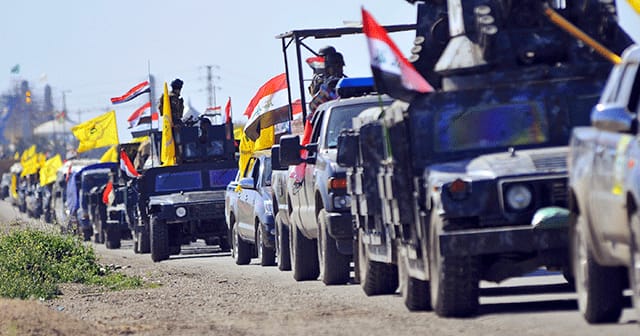

Dubai: Drone attack on the United Arab Emirates’ Barakah nuclear power plant once again pushed back the Iranian-backed Iraqi militias into the regional spotlight, reviving fears that Tehran’s vast network of proxy groups is expanding the conflict far beyond Iran’s borders.
UAE officials said the drone involved in the Barakah attack had been launched from Iraqi territory – a claim that has intensified examining militias operating there under the umbrella of the Popular Mobilization Forces (PMF).
This is what Saudi Arabia said on Sunday captured three drones after they entered its territory from Iraqi airspace.
The kingdom’s defense ministry said it would take the necessary operational measures to respond to any attempt to violate its sovereignty and security.
While hostilities during the Iran conflict have largely subsided since a cease-fire took effect in April, drones have flown from Iraq to Gulf countries, including Saudi Arabia and Kuwait.
Originally formed to fight the terrorist group DAESH (ISIS) in 2014, many of the militias have since evolved into heavily armed factions aligned with Iran’s Islamic Revolutionary Guard Corps (IRGC), with access to drones, missiles and sophisticated regional networks.
Today, analysts say they constitute one of Tehran’s most important tools for projecting power across the Middle East.
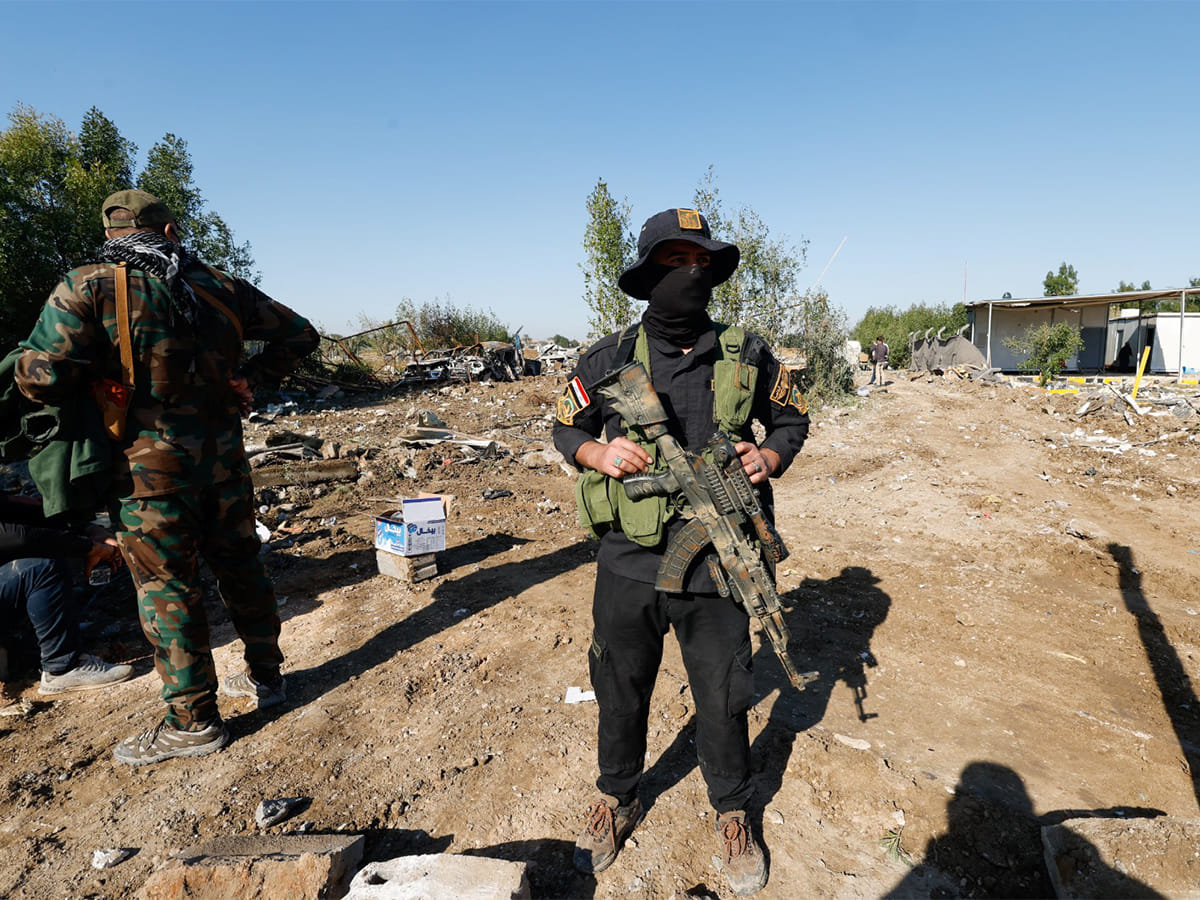
The main Iranian-backed militias in Iraq
-
Kataib Hezbollah (KH): One of the most powerful and hardline groups supported by Iran. The US considers it a terrorist organization. It has been repeatedly accused of attacks on US bases and diplomatic facilities.
-
Asaib Ahl Al Haq (AAH): A powerful militia and political movement closely associated with Iran’s IRGC. She strongly opposes the US military presence in Iraq.
-
Harakat Hezbollah Al Nujaba (HHN): Led by Akram Al Kaabi, the group is openly linked to Iran’s “Axis of Resistance” and has operated in both Iraq and Syria.
-
Organization Bedr: One of the oldest and most influential Iran-linked groups in Iraq. Formed in Iran during the Iran-Iraq war, it later became deeply involved in Iraqi politics and security institutions.
-
Kataib Sayyid Al Shuhada: A smaller but active Iranian-backed militia involved in regional operations and part of the “Islamic Resistance in Iraq”.
-
Kataib Al Imam Ali: Another armed faction linked to Iran operating under the PMF umbrella.
Among the most powerful Iran-linked groups in Iraq are Kataib Hezbollah, Asaib Ahl Al Haq, Harakat Hezbollah Al Nujaba and the Badr Organization.
Some openly identify themselves as part of Iran’s so-called “Axis of Resistance” and have repeatedly threatened the US, Israel and the Gulf states.
Over the years, the groups have been accused of carrying out or supporting attacks on US military bases, diplomatic compounds, energy infrastructure and trade shipping lanes across the region.
Militias have also increasingly embraced drone warfare – a tactic that Gulf security officials say poses one of the biggest threats to regional stability.
Iranian-backed Iraqi groups were blamed for a series of drone and missile attacks on US positions in Iraq and Syria, as well as the deadly 2024 Tower 22 attack in Jordan that killed three US soldiers.
The threat now appears to be expanding beyond the region itself.
The US conspiracy
Last week, US authorities charged an Iraqi national identified as Mohammad Baqer Saad Dawood Al Saadi – described by prosecutors as a senior operative linked to the Iranian-backed Kataib Hezbollah militia – of helping coordinate or support nearly 20 planned attacks in the US and Europe.
According to US prosecutors, the plots targeted Jewish institutions and American interests in cities including New York, Los Angeles and London. Investigators alleged he discussed bombings, shootings and arson attacks through networks linked to Iran-linked militias.
The case intensified Western concerns that Iran-backed Iraqi groups are no longer limited to regional conflicts but are increasingly linked to transnational operations.
Despite being formally incorporated into the Iraqi security structure through the PMF, many factions continue to maintain independent command structures and close operational ties to Iran’s Quds Force.
Revenge
Some groups have repeatedly called for the withdrawal of US troops from Iraq and have threatened retaliation if Washington resumes military action against Tehran.
During the current Iran conflict, Iraqi-launched drones have repeatedly targeted Gulf countries and US-linked facilities, according to regional officials.
Reuters previously reported that some militia factions had grown wary of entering a direct regional war, fearing devastating retaliation and losing political influence inside Iraq.
But analysts warn that Tehran’s influence over the groups – even if not absolute – still gives Iran the ability to pressure opponents on many fronts without direct confrontation.
Critics say Iraq now risks becoming both a launch pad and a battleground in Iran’s widening shadow war with the US and its Gulf allies.
The attack on Barakah has only deepened these fears.
The United Arab Emirates described the targeting of the civilian nuclear facility as a terrorist attack on peaceful infrastructure that powers homes, hospitals and industries across the country.
Security experts warn that the attacks originating in Iraq could mark a dangerous new phase in the regional conflict – one where Iranian-backed militias increasingly target strategic Gulf infrastructure while operating beyond Iran’s borders.



