


LA GUAIRA, Venezuela: More than 50,000 people were missing on Friday after twin earthquakes hit Venezuela, the United Nations aid chief told AFP as international rescue teams and sniffer dogs arrived to join a desperate search for survivors.
Interim President Delcy Rodriguez said the death toll now stood at 589, a number likely to “rise significantly”, according to UN aid chief Tom Fletcher.
Get Updated Faster & FREE: Download the Gulf News app now – just click here.
“We have over 50,000 people missing, over 500 people dead, so a massive job to go through the rubble,” he told AFP.
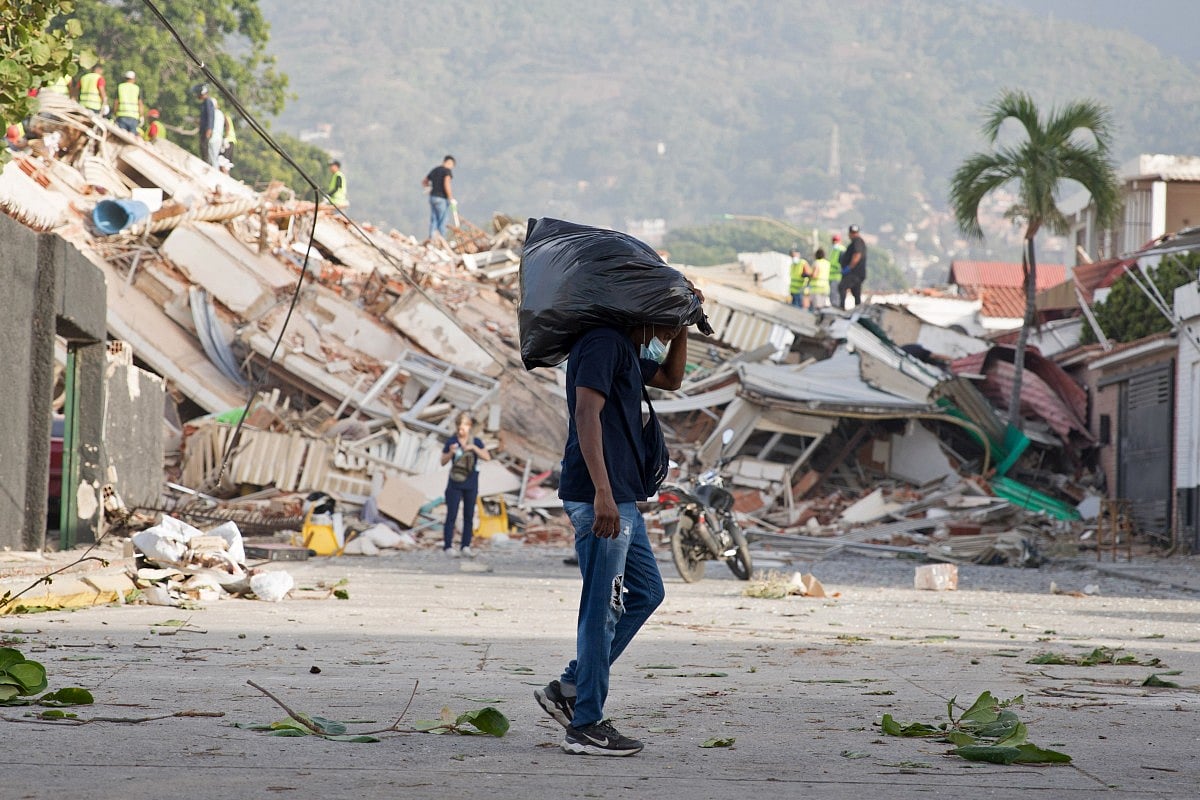
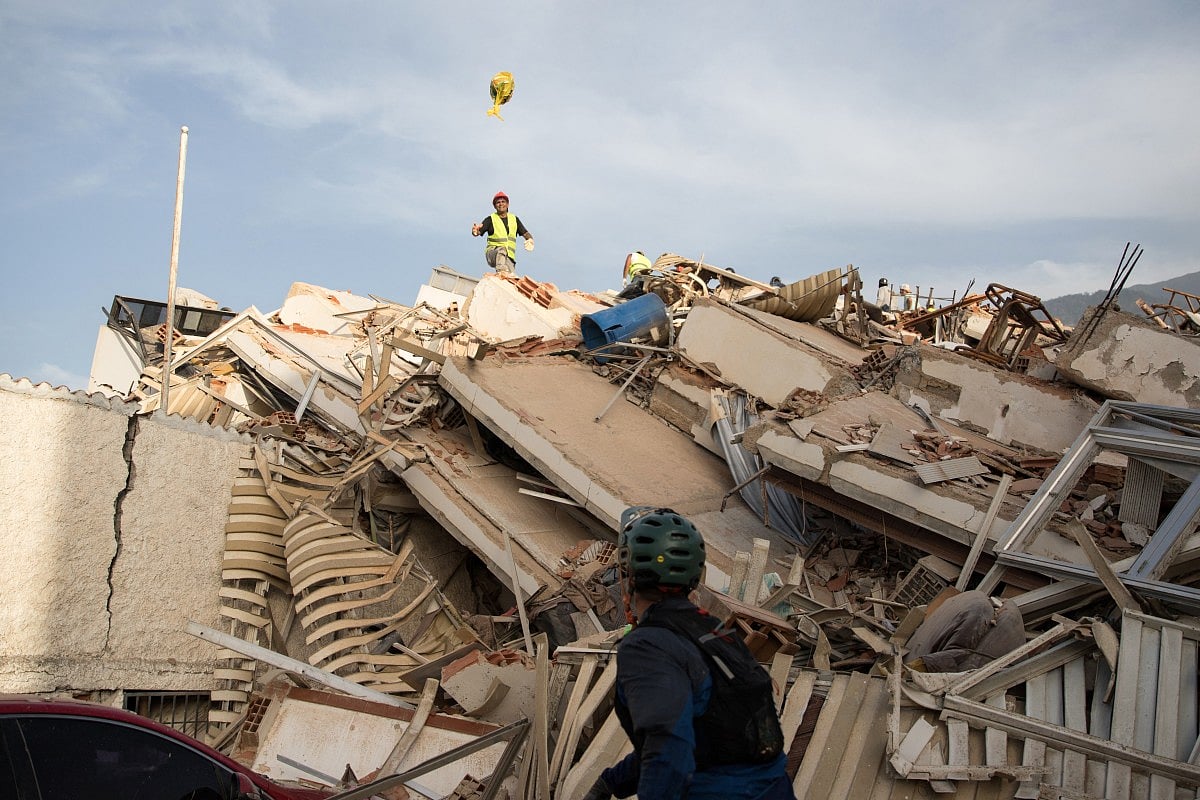
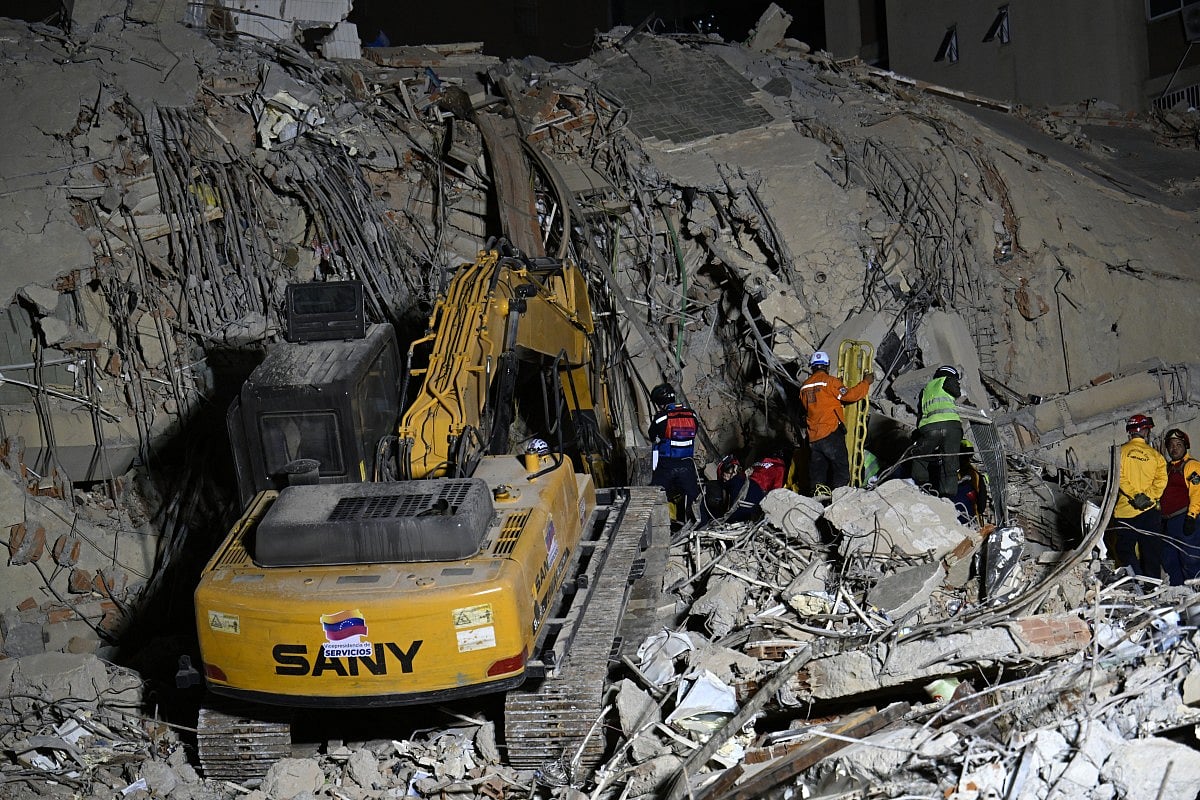
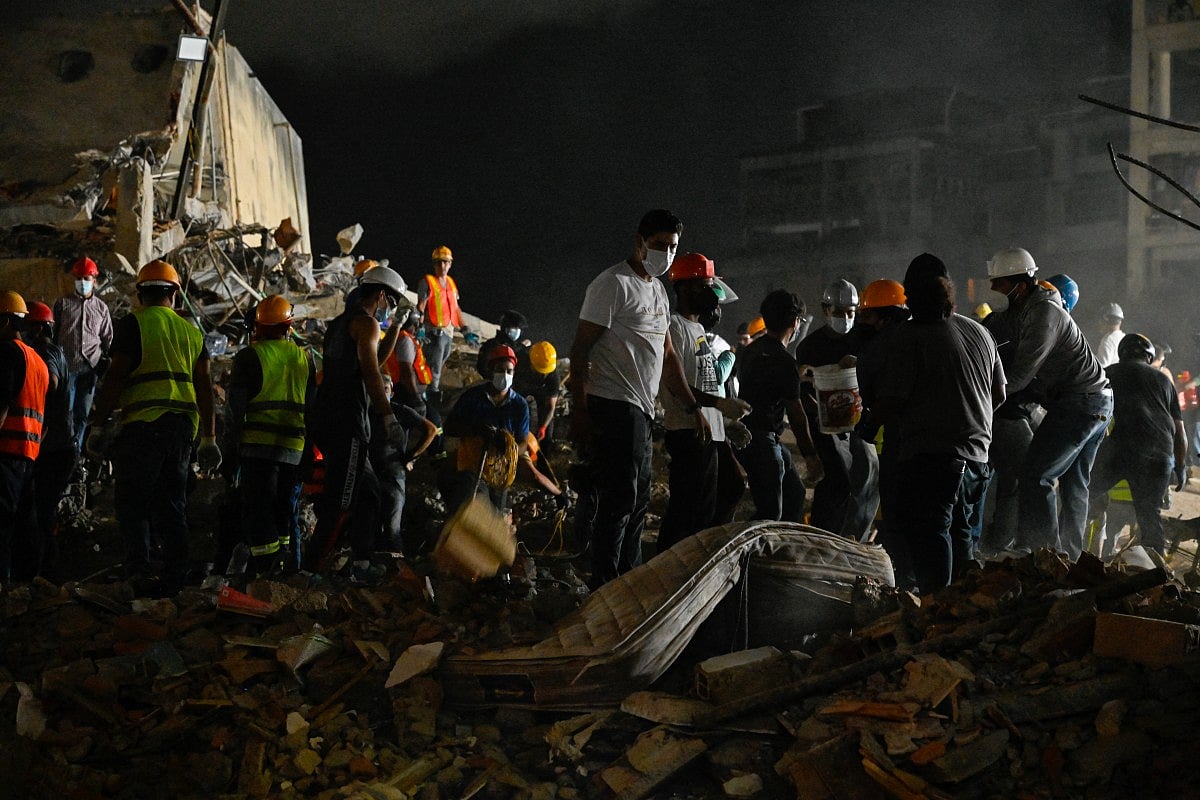
Rescuers used heavy machinery as well as their bare hands in a race to claw out people trapped under rubble in the worst-hit area north of the capital Caracas.
In one of the flattened buildings, AFP saw workers using sledgehammers to break through the debris and calling for “absolute silence” to detect the screams of survivors.
Oil-rich Venezuela is facing its worst natural disaster in more than a century, after more than a decade of economic collapse that destroyed hospitals and public services, forcing millions to flee the country.
The country is still in a fragile transition six months after the United States ousted leader Nicolas Maduro.
Rescue efforts have been slow with desperate calls for more heavy machinery as families stand helpless to pull loved ones who could hear them alive in the wreckage.
“It’s very rocky and with bare hands it’s impossible,” said Amparo del Giudice, digging through the rubble in search of her son.
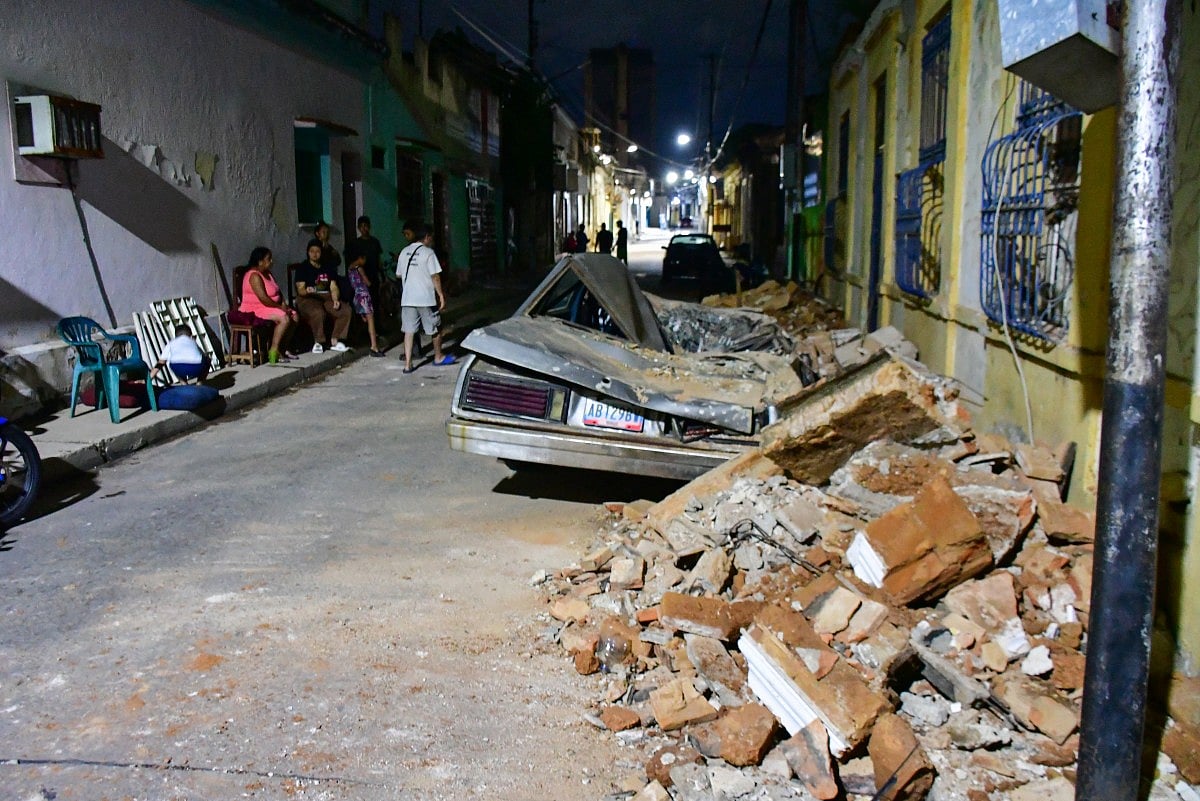
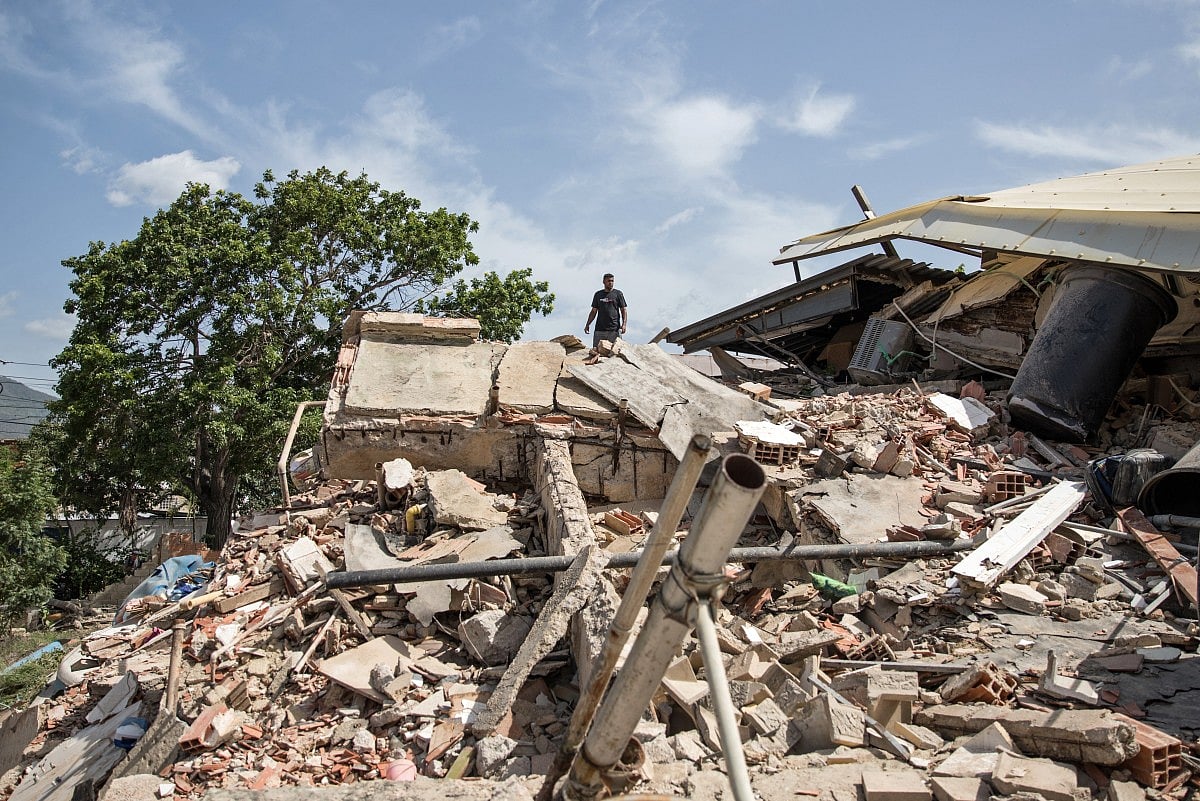
Two earthquakes, measuring 7.2 and 7.5, struck northern Venezuela within a minute of each other on Wednesday night, causing hundreds of buildings to collapse.
Help is coming
National Assembly President Jorge Rodriguez said Thursday that more than 200 people were confirmed trapped alive.
The UN humanitarian agency OCHA said search and rescue teams from at least 17 countries were being mobilized to help find survivors.
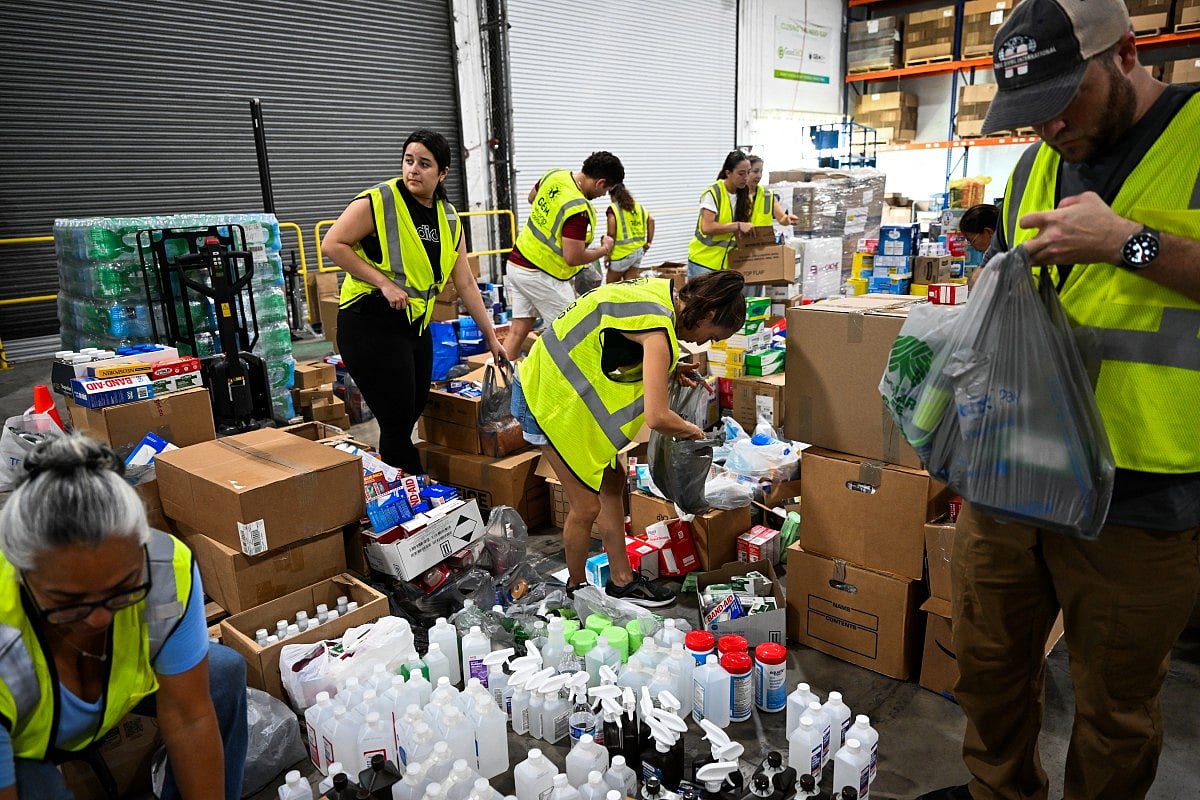
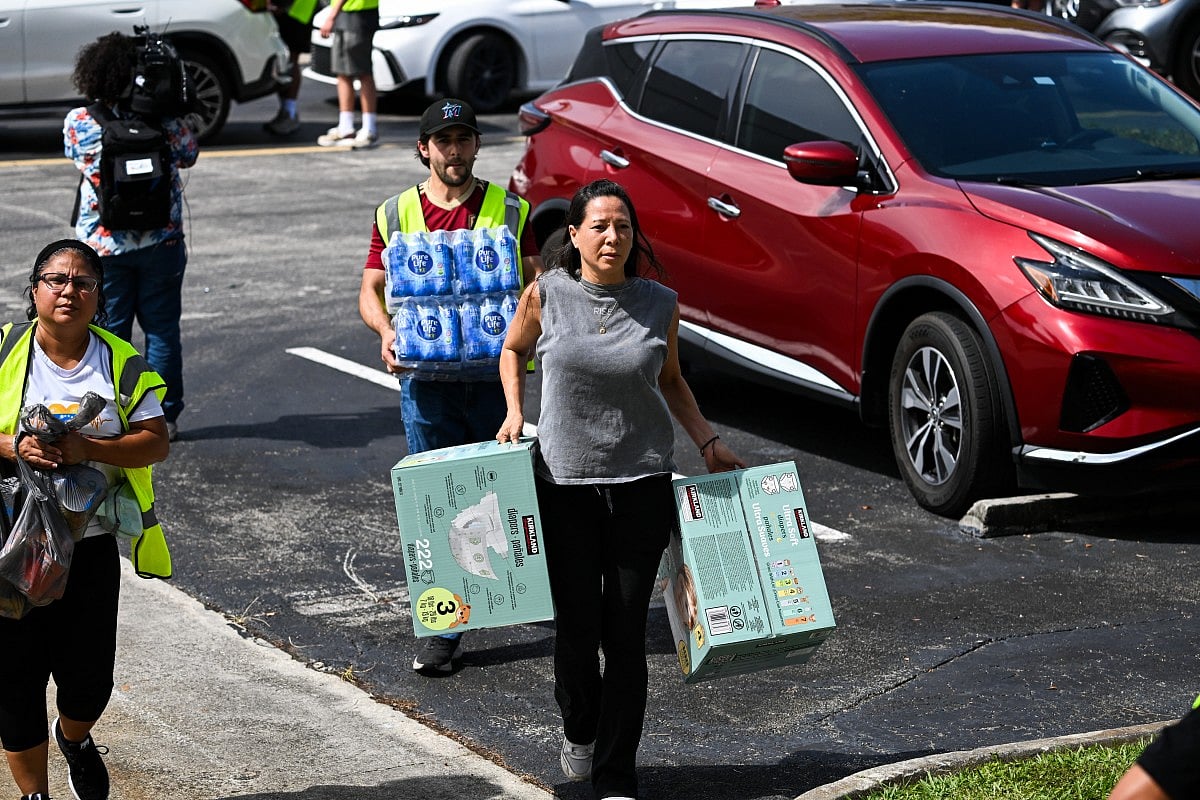
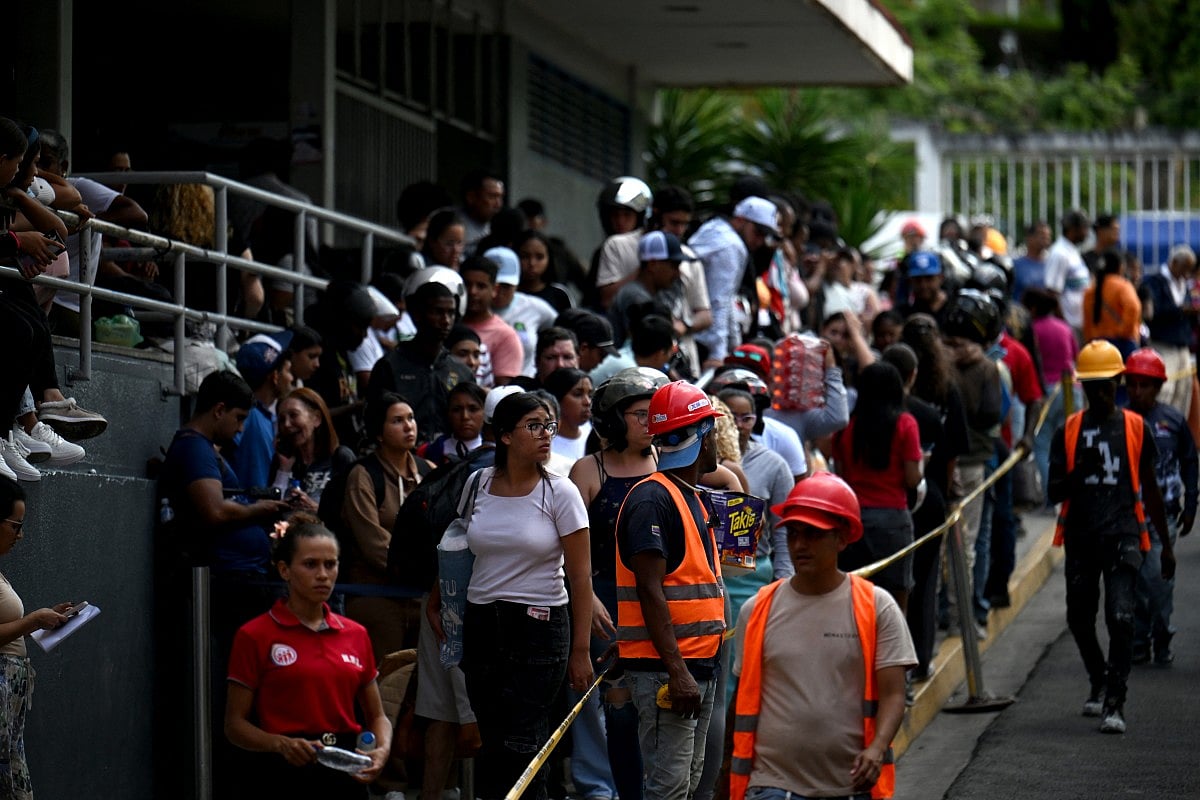
Spanish, Salvadoran, Swiss, Colombian and Mexican rescue teams were already on the ground.
A senior US military official landed in Caracas to oversee Washington’s aid efforts.
The United States said it was deploying two warships, transport planes and helicopters and mobilizing $150 million in aid. Washington has also suspended economic sanctions on Venezuela that could have hampered rescue operations for four months.
“Even before the earthquakes, millions of people across Venezuela were facing food insecurity, declining health services, protection risks and limited access to basic services,” the UN and other aid agencies said in a statement on Friday.
“The international community must not allow this emergency to deepen into a greater human tragedy.”
Earthquakes of similar magnitude claimed more than 200,000 lives in Haiti in January 2010 and 73,000 lives in Kashmir in October 2005.
“Useless Authorities”
The dead include nine Portuguese nationals, four Spaniards, two Brazilians, two Chinese nationals and an Italian-Venezuelan.
Fifty-six Portuguese and 120 Spanish nationals were missing or unaccounted for, according to their respective governments.
Satellite pictures of La Guaira – the worst-hit area north of Caracas – showed one housing complex crumbled after another.
AFP reporters saw residents looting a local supermarket in the town on Thursday.
“This is not the time for robbery, this is the time to enforce the law,” said Argenis Mendez, a resident of the area who complained about the lack of help.
“The authorities are useless; useless because the army should be here with all the heavy machinery they have,” he added.
Venezuela’s northern coast sits on a boundary between the Caribbean and South American tectonic plates, but has not experienced a major earthquake since 1997, when 73 people died. Another earthquake in 1967 killed 236 people.
Wednesday’s 7.5-magnitude quake was the strongest since Oct. 29, 1900, when a 7.7-magnitude earthquake struck offshore.
This week’s earthquake was felt in neighboring Colombia, where residents in Bogota evacuated buildings as a precaution.
Tremors were also reported in several cities in northern Brazil, according to the country’s seismic monitoring network.



