
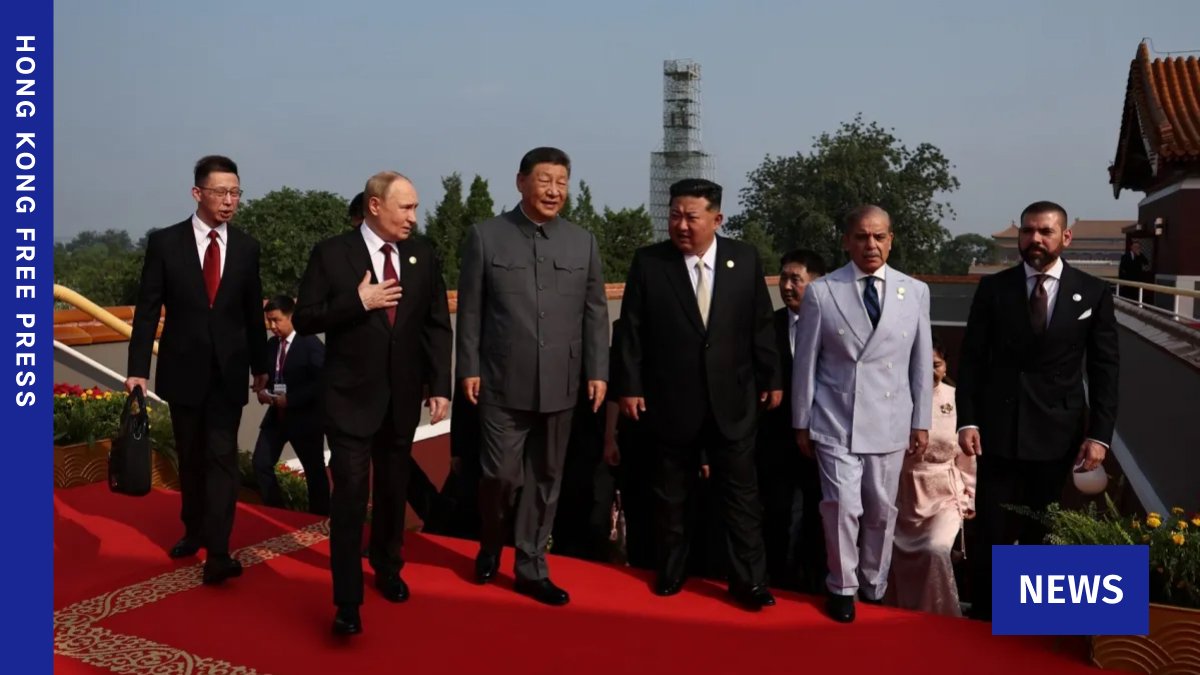

North Korea’s economy is showing signs of recovery as Pyongyang deepens trade and diplomatic ties with Russia and China, South Korea’s unification ministry said in a report sent to AFP on Friday.

Rigid socialist planning and high military spending have undermined growth in North Korea for years, as have sweeping international sanctions aimed at curbing its development of nuclear weapons.
China has long been the diplomatically isolated country’s main economic backer, although Pyongyang has also drawn closer to Russia since Moscow began its full-scale invasion of Ukraine in 2022.
Those relations are now fostering an improved economic outlook, with the North appearing to have “moved beyond a period of contraction” and “entered a phase of gradual recovery,” according to the South Korean ministry.
The turnaround comes even as Pyongyang continues its nuclear and missile programs, which it has vowed not to abandon despite years of international pressure.
The report outlines Seoul’s basic plan for developing relations with the North by the end of the decade.
He said Pyongyang’s expanding cooperation with Moscow and improving trade terms with Beijing were key factors supporting the recovery.
Air China resumed direct flights between Beijing and Pyongyang in March after a six-year suspension, and daily passenger rail services between the two capitals have also resumed.

China’s foreign minister said on a visit to Pyongyang last week that Beijing hoped to “further promote practical cooperation”.
Analysts say the North is also receiving economic and military technological aid from Russia in exchange for sending troops and ammunition to help it fight Ukraine.
North Korea does not publish official data on the size of its economy.
Its nominal gross domestic product was equivalent to about $30 billion in 2024, according to Seoul’s official estimate — a tiny fraction of South Korea’s economy, one of the world’s most developed.
North Korea has long faced shortages. A famine in the mid-1990s killed hundreds of thousands of people, and reports indicate that the Covid-19 pandemic also pushed many people into extreme hunger.
In February, North Korean leader Kim Jong Un vowed to raise living standards at a historic congress, saying the country had overcome the “worst difficulties” in the past five years and was entering a phase of “optimism and confidence in the future.”





