
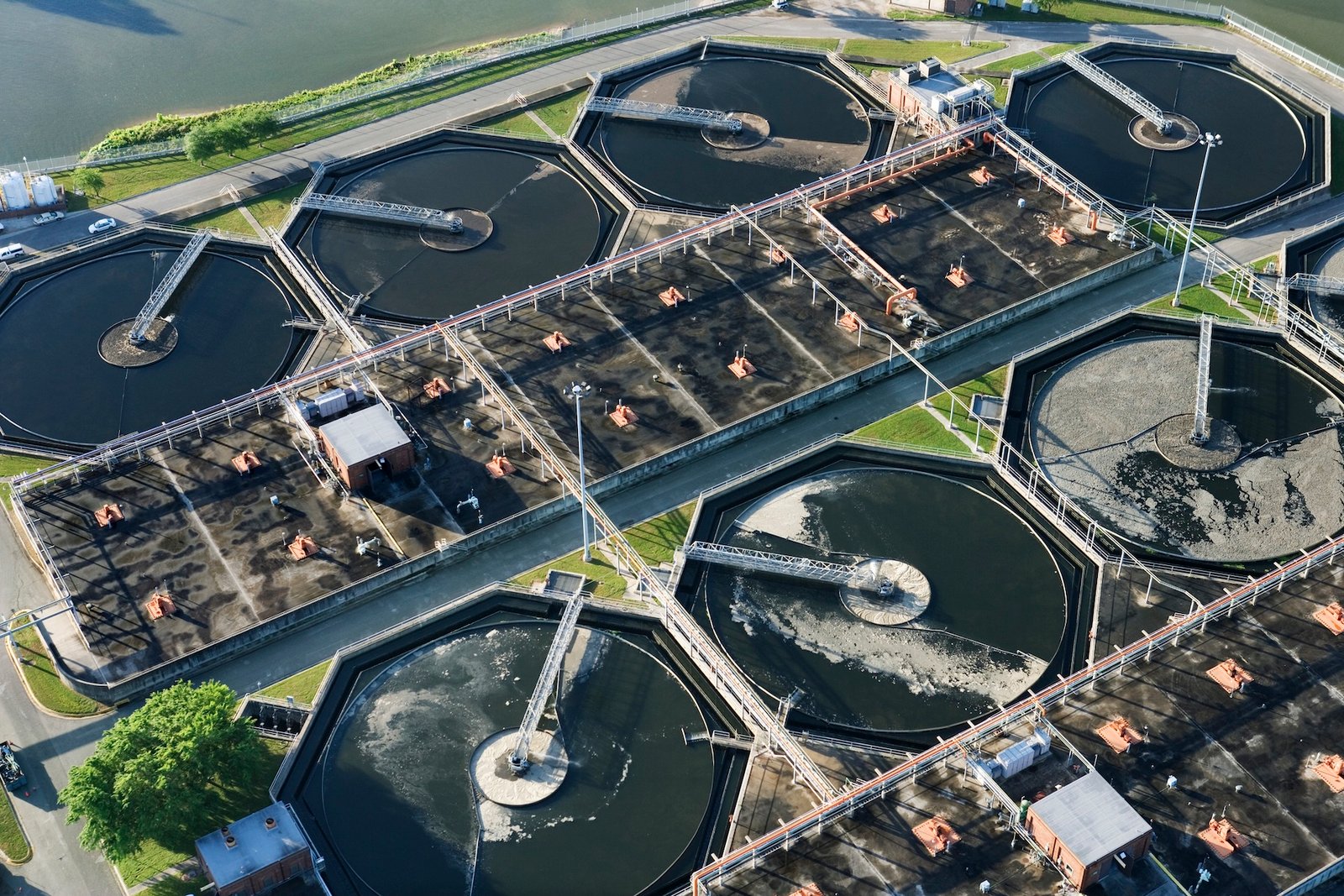

The Bulgarian government has presented a national declaration as part of the legislative file regarding the revised Urban Wastewater Treatment Directive. Sofia expressed strong reservations regarding the implementation of the revised European directive on the treatment of urban wastewater, citing concerns about the increased burden placed on EU countries.
“The Republic of Bulgaria expresses concern about the significant challenges related to the implementation of the revised Directive, stemming from stricter requirements for the quality of treated water and enhanced monitoring obligations,” the health ministry told Euractiv.
‘Wiggle room’ is needed in implementation
Bulgaria is calling for more flexibility in how EU countries implement the legislation, while also calling for stronger support mechanisms to facilitate compliance.
According to the ministry, the implementation should include measures aimed at “reducing the financial burden for member states and protecting citizens from the increase in service prices”. The concerns add to a wider debate about the revised EU framework, which introduces stricter environmental obligations and significantly expands responsibility for wastewater treatment.
Deyan Denev, executive director of ARPharM Bulgaria, has warned that essential medicines could disappear from the Bulgarian market if parts of the directive are implemented without adjustments. The revised EU legislation introduces a “polluter pays” principle, requiring the pharmaceutical and cosmetics sectors to finance at least 80% of the costs of removing micropollutants from wastewater systems.
While the European Commission argues that the measure is necessary to improve water quality and reduce environmental pollution, industry organizations such as the European Federation of Pharmaceutical Industries and Associations (EFPIA) and Medicines for Europe launched legal challenges.
Lower income countries are hit hardest
The pharmaceutical sector argues that the legislation unfairly targets specific industries and could contribute to drug shortages across Europe. Industry representatives warn that the consequences could be particularly severe in lower-income and heavily regulated markets such as Bulgaria. Manufacturers supplying publicly reimbursed drugs are not allowed to raise prices to offset additional environmental compliance costs.
An EFPIA analysis provides indicative estimates of the potential price impact if pharmaceutical pricing were not legally capped.
According to the estimates referred to in the debate, the price of paracetamol could increase from 12% to 45%, based on the calculations of the European Commission. However, Germany’s Federal Environment Agency suggests that increases could range from 24% to 90% in different European markets.
The price of metformin, widely prescribed to control blood glucose in patients with Type 2 diabetes, could rise by approximately 48%, according to Commission estimates, while German environmental modeling puts the increase at up to 96%.
Sharper increases in manufacturing costs are expected to impact high-volume, low-margin drugs.
(VA, BM)



