
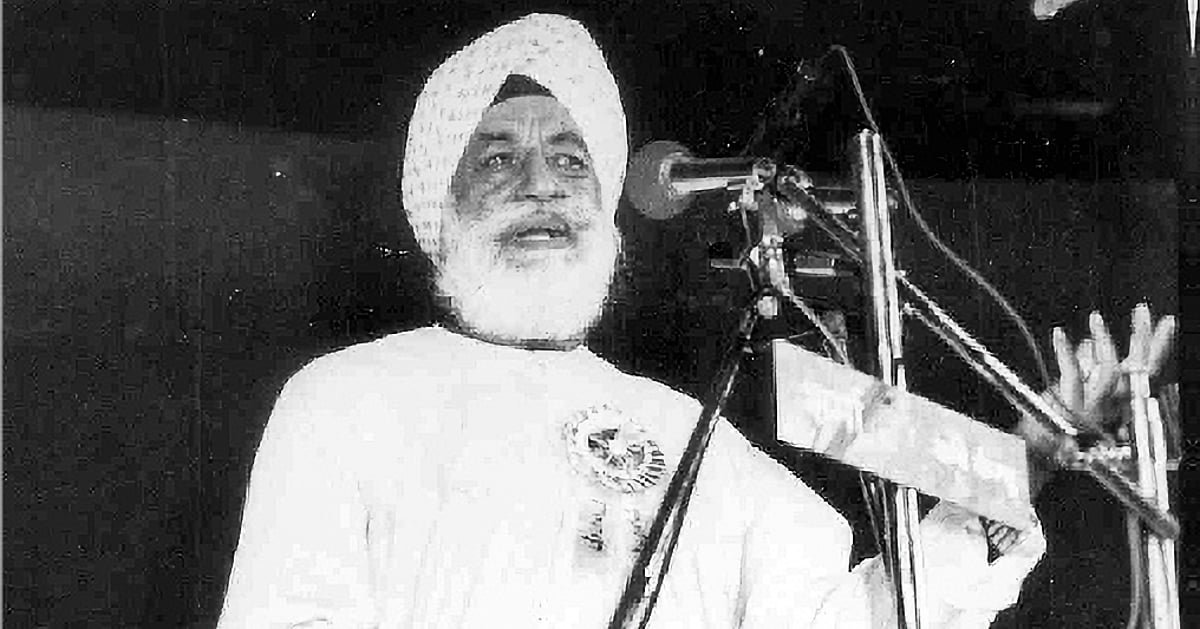

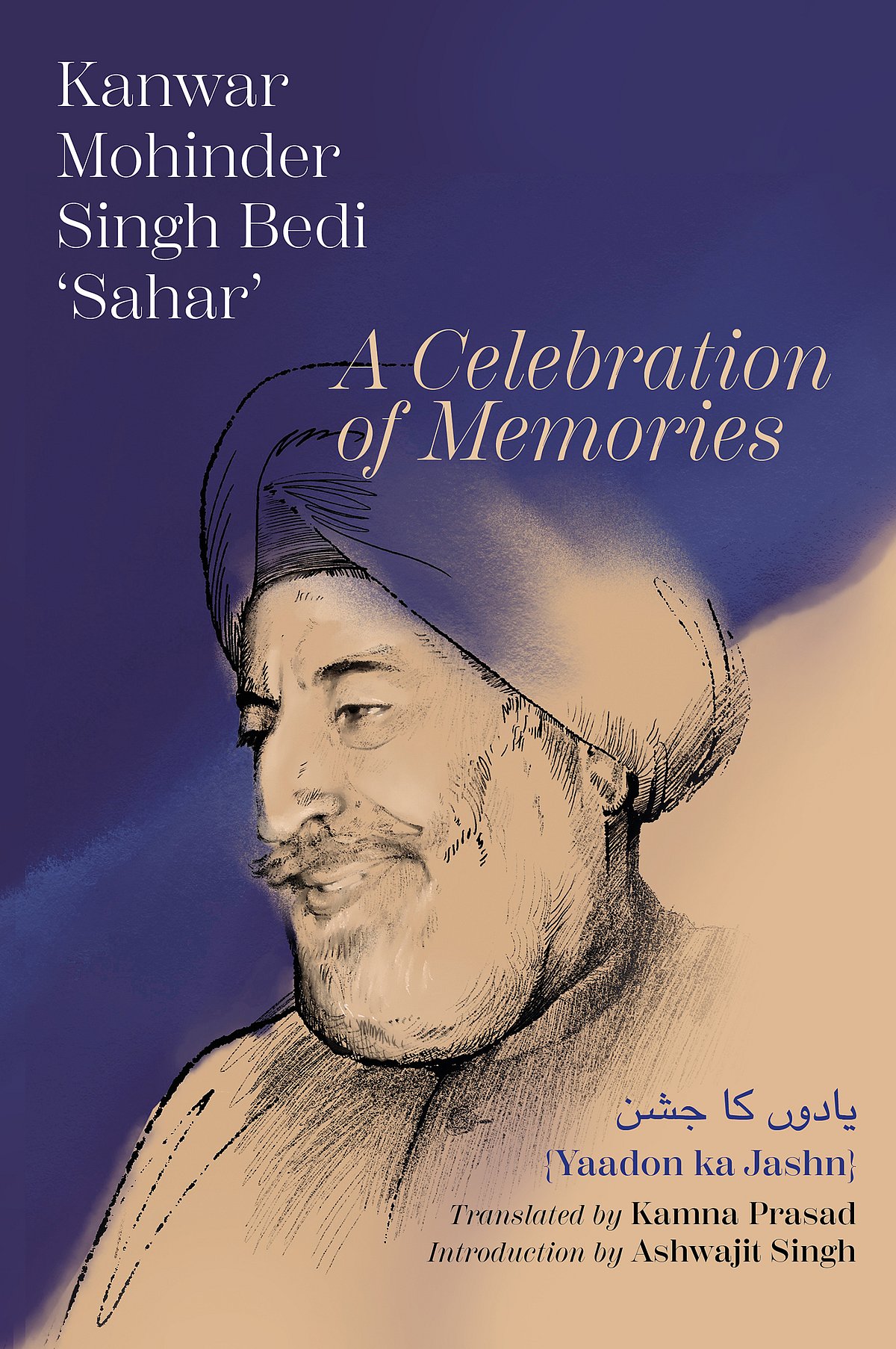
Translator and writer Kamna Prasad first met noted Urdu poet and bureaucrat Kanwar Mohinder Singh Bedi ‘Sahar’ years ago at the home of writer Khushwant Singh. Prasad has now translated Bedi’s memoirsCelebration of Yadon Kain English as ACcelebrating memories(The talking tiger).
Prasad said she never imagined she would one day translate his memoirs. “Life often weaves such connections long before we understand their meaning,” she says TMS. “I had already read the memoir and felt strongly that a work that captures a world in transition – historical, cultural, social and intellectual – deserved to travel beyond the language in which it was first told,” So when the author’s nephew, Ashwajeet Singh, approached her about translating it into English, she was happy to take it on.
Portrait of an era
The memoir introduces readers to Bedi’s early life, literary life, and public service. Bedi was born in 1909 in Chak Bedi in pre-Partition Punjab, into a family that traced its lineage to Guru Nanak, of whom he was extremely proud. The book opens with his account of his ancestors.
Writing about his youth, he fondly remembers village life. His love of hunting and wrestling is also impossible to miss. Despite holding several high-profile posts – including that of a magistrate, deputy commissioner of Gurugram and director of public relations in Chandigarh with the Punjab government – Bedi also writes about his role as a ‘neem hakim’, or untrained doctor.
He recalls an incident where a man was brought to him in a wheelchair, as he could not walk due to great strain. The man told Bedi that he had consulted several doctors without finding relief. Unsure of how to help, Bedi writes that he simply gave the man a cotton ball soaked in eucalyptus oil, more as a consolation than a treatment. To his surprise, the next morning the man was back on his feet, happily declaring that he was completely cured by Bedi’s medicine.
The book narrates the poet’s journey from pre-Independence Punjab to post-Independence Delhi, where he settled after retirement. A chapter is fully devoted to his literary and artistic circle of poets like Josh Malihabadi, singer Mohammad Rafi – and political figures including former president Dr Zakir Husain and former CM Punjab Partap Singh Kairon, as well as several nawabs and maharajas.
More than a memory
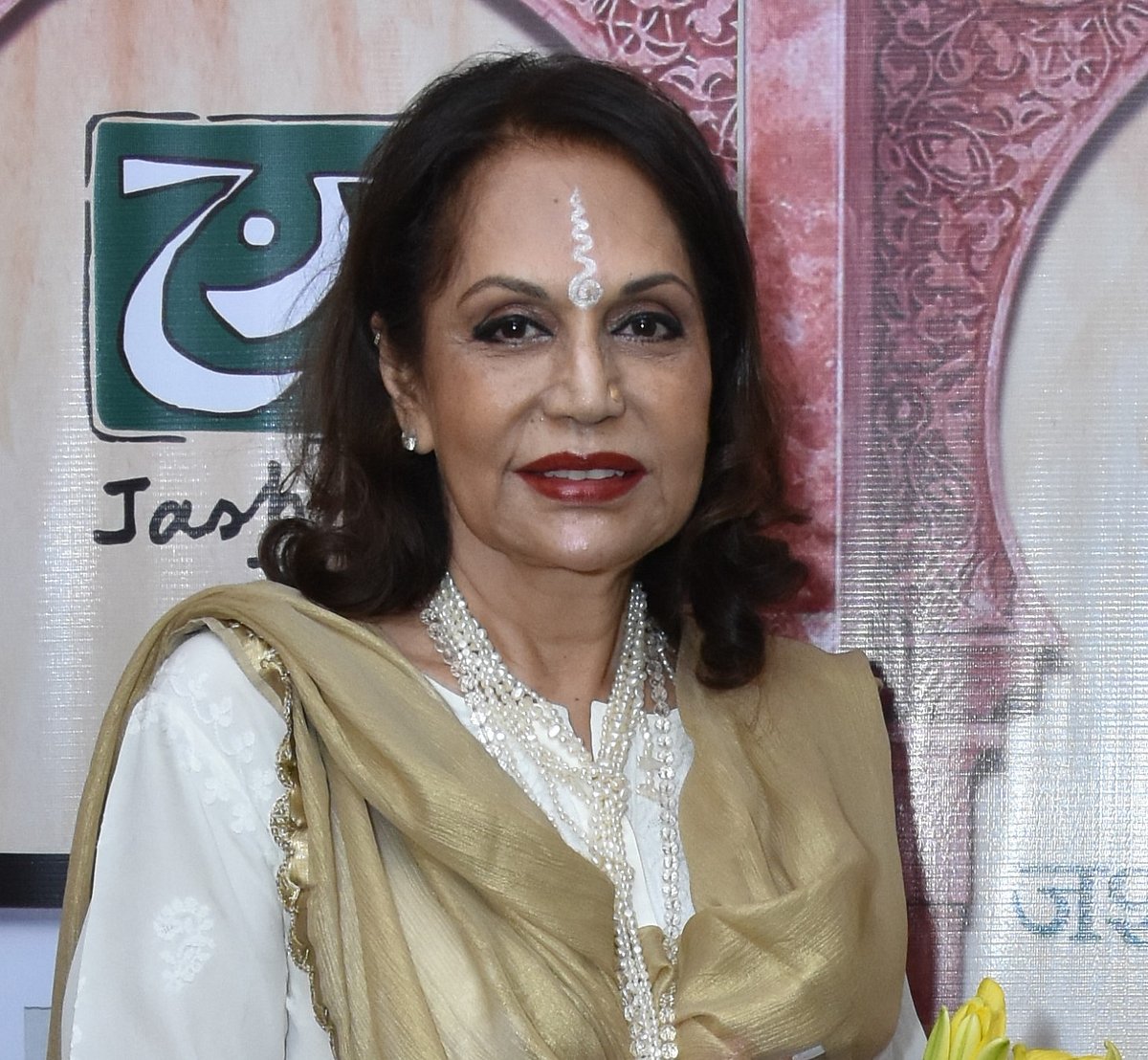
According to Prasad, translating the memoir meant more than exchanging Urdu words for English; it involved preserving the emotional and cultural essence of the text. “The challenge was to maintain the breath, rhythm and emotional texture of the original while allowing it to breathe naturally in English,” she says. She remained faithful “not only to the words, but also to the mood and sensitivity of the narrative.”
Prasad said one of the book’s strengths is its layered richness. The memoir veers between humor and sadness, friendships and literature, history and everyday life, famous cultural figures and ordinary people. “Memories, then, are both intimate and panoramic—a portrait of an era and its shared human experience.”
Prasad shows how memories are told through short stories and encounters, not chronologically. During the translation, she adds, she found sides of Bedi that transcended his public image as a poet and government official. “He was equally at ease with people from all walks of life, unaffected by narrow divisions of religion, class or status,” she says.
Keeping urdu alive
Prasad also reflects on the relationship readers have with Urdu today. She doesn’t think Urdu readership is dwindling per se, but believes that people in general are reading less in all languages than they used to.
She feels Urdu continues to survive and evolve through poetry, cinema, music, everyday speech and digital platforms, where younger audiences are engaging with the language.
“Like any living language, Urdu must evolve with changing times and the communication needs of younger generations; otherwise, languages become static,” she says. “After all, we no longer speak the English of Shakespeare any more than we speak the Urdu of Ghalib or ‘Sahar.’
For him, the translationor Celebration of Memoriesit also becomes a way to build bridges for young readers who may feel connected to Urdu literature but cannot always read the original script.
“Languages survive not only through institutions, but through transmission between generations,” she says. “Every reader who turns to Urdu — in any script — helps keep that world alive.”



