
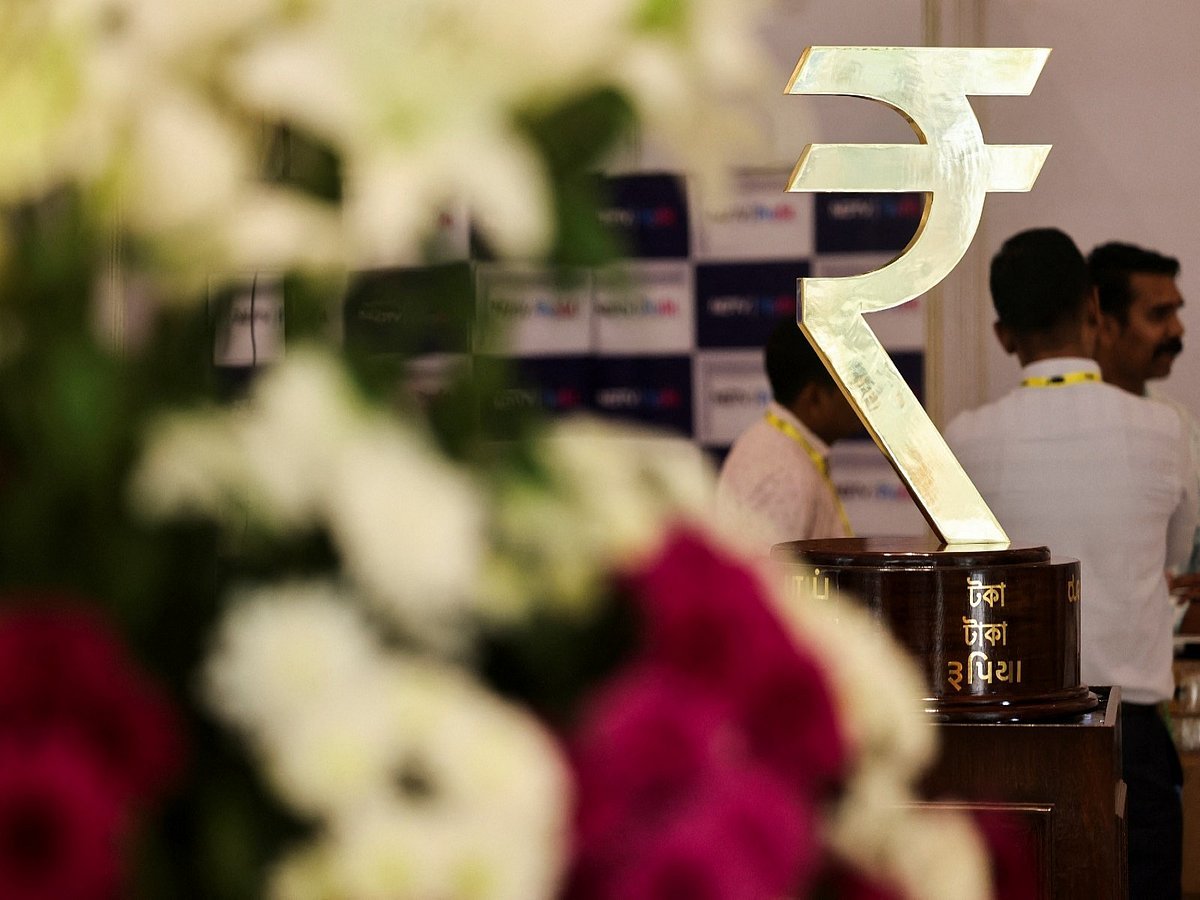

The fall in the Indian rupee since the Iran conflict, triggered by the biggest US-Israel war in West Asia, indicates pressure on Asian currencies and not just a domestic problem. Last Friday, the rupee crossed ₹93 to the dollar for the first time, moved close to ₹94 and saw its biggest decline in four years. It has fallen nearly 2 percent this month since the escalation of hostilities on March 2, driven by a combination of rising crude prices, global risk aversion, steady foreign portfolio outflows and a strong U.S. dollar.
The pressures are not unique to India. Across Asia, currencies such as the Japanese yen, South Korean won, Indonesian rupiah, Malaysian ringgit, Philippine peso and Thai baht have all fallen against the dollar, reflecting the region-wide impact of high oil prices and global uncertainty. A stronger dollar index has added to the pressure, while foreign investors have withdrawn more than $8 billion in March alone, the biggest inflow since January 2025. Most countries have responded by allowing their currencies to weaken in a controlled manner, tightening liquidity when necessary and using reserves to manage sharp swings rather than fixing a set level.



