
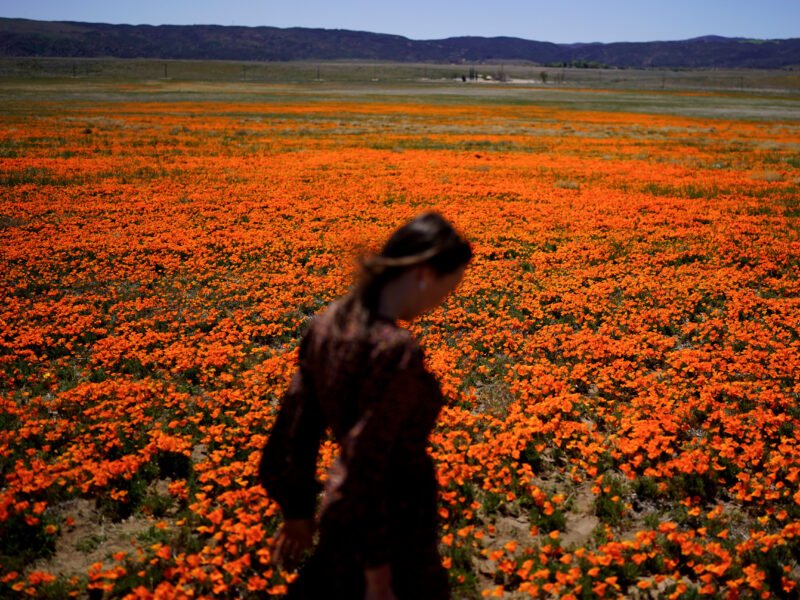

ATLANTA (AP) – Allergy season can be miserable for tens of millions of Americans when tree, grass and other pollens trigger runny noses, itchy eyes, coughing and sneezing.
Where you live, what you’re allergic to, and your lifestyle can make a big difference when it comes to the severity of your allergies. Experts say climate change is leading to longer and more intense allergy seasons, but they also point out that treatments for seasonal allergies have become more effective over the past decade.
Here are some tips from experts to keep allergy symptoms at bay — maybe even enough to let you enjoy the outdoors.
New cities top list of ‘allergy capitals’
The Asthma and Allergy Foundation of America releases an annual ranking of the most challenging cities to live in if you have allergies, based on the use of over-the-counter medications, the number of pollen counts and the number of allergy specialists available.
This year, the top five cities are: Boise, Idaho; San Diego; Tulsa, Oklahoma; Provo, Utah; and Rochester, New York.
Pollen helps plants reproduce – and makes us miserable
Pollen is the dusty substance created by plants and trees that produce seeds as part of their reproductive process. Earlier in the spring, tree pollen is the main culprit. After that, grasses pollinate, followed by weeds in late summer and early fall.
Some of the most common allergy-causing tree pollens include birch, cedar, cottonwood, maple, elm, oak, and walnut, according to the Asthma and Allergy Foundation of America. Grasses that cause symptoms include Bermuda, Johnson, rye and Kentucky bluegrass.
Here’s how to track pollen levels
Pollen trackers can help you decide when to go outside. The American Academy of Asthma Allergy and Immunology tracks levels through a network of counting stations across the U.S. The numbers are available on its website and via email.
The first step is to try to avoid pollen altogether
The best and first step to controlling allergies is to avoid exposure. Keep the windows in your car and home closed, even when it’s nice outside.
If you do go outside, wearing long sleeves can keep pollen off your skin to help avoid allergic reactions, said Dr. James Baker, an allergist at the University of Michigan. It also provides protection from the sun, he added.
When you get home, change your clothes and shower every day to make sure all the pollen is off you – including your hair. If you can’t wash your hair every day, try covering it up when you go out with a hat or scarf. Don’t go to bed in your outer clothes, because the pollen will follow.
It’s also helpful to rinse your eyes and nose with salt to remove any pollen, experts said. And the same masks that got us through the pandemic can protect you from allergies — though they won’t help with eye symptoms.
How to relieve allergy symptoms
Over-the-counter nasal sprays are among the most effective treatments for seasonal allergies, according to experts.
But patients often use them incorrectly, irritating parts of the nose, said Dr. Kathleen May, an allergist at Augusta University in Georgia. She suggested turning the nozzle outward toward your ear instead of up toward your nose.
Over-the-counter allergy pills like Claritin, Allegra and Zyrtec are helpful, but may not be as effective since they are taken by mouth, experts said.
If your allergy symptoms are affecting your quality of life, such as: cause you to lose sleep or lose focus at work or school, it may be time to consider making an appointment with an allergist. There are medications that can train your immune system not to overreact to allergens.
Some allergy relief remedies that have been circulated on social media or suggested by celebrities — like including local honey in your diet to reduce exposure to pollen — have been debunked.
Dr. Shyam Joshi, an allergist at Oregon Health & Science University, said this is because the flowers that bees pollinate typically do not contain the airborne pollen that causes allergy symptoms.
Is the allergy season changing?
Winters are milder and growing seasons are longer as the climate is changing, which means there’s more opportunity for pollen to linger in the air, resulting in longer and more severe allergy seasons.
Last year was one of the most intense allergy seasons on record, especially in Southeast USBy KENYA HUNTER AP Health Writer
Subscribe to our free newsletters
Our weekly newsletter Closing arguments provides the latest on ongoing trials, major litigation and decisions in courts around the US and the world, while monthly Under the lights feeds legal dirt from Hollywood, sports, Big Tech and the arts.



