


To the layman, the liver is an enigma, the only human organ that regenerates. Doctors who treat liver diseases such as cirrhosis face many challenges, such as difficult diagnoses and long-term care. Expensive treatment, especially transplantation, is a huge drain on the resources of patients’ families. The issue has become complicated with many hospitals placing a premium on profit. The Liver Doctor Stories of Love, Loss and Regeneration, by Dr Cyriac Abby Philips, puts the complex world of liver health into perspective.
The renowned Kochi-based hepatologist takes readers on a journey where science confronts human predicaments and ethical dilemmas. It’s an honest look at healthcare with a human touch. Drawing on his vast experience, Dr Philips, better known online as the Liver Doc, draws poignant stories from hospital corridors, creating an emotional connection with readers. The trials of patients and their families, survival and loss, uncertainties, compassion and indelible memories overwhelm a sensitive reader. While the stories deal with rare liver diseases, herbal liver injuries, drug-induced injuries, and the effects of alcohol, they also shed light on the deep wounds left in doctors’ hearts. The medical narrative turns out to be very engaging, while highlighting complex scientific facts in simple terms.
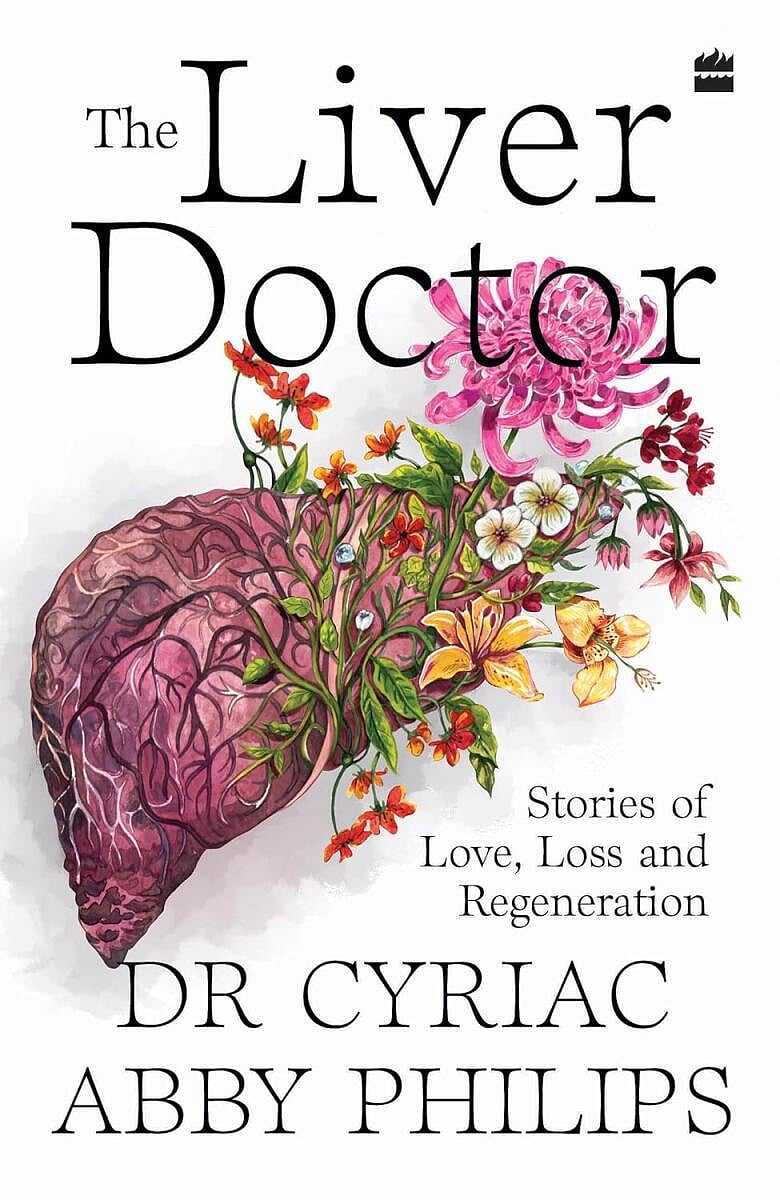
LIVER DOCTOR Dr Cyriac Abby Philips
During the treatment of end-stage liver disease, counseling the patient’s relatives is a delicate task. “In those final moments, what matters most is not the drugs or the machines, but the memories, the connection and the special moments spent together.” Dr Philips recalls the strange request from the wife of a young patient who was dying – if he could take her husband’s sperm so she could have his child. He also recalls a surprising response from a 19-year-old girl who wanted to study clinical psychology. “I want to listen to people and talk to them, heal them. Like you did to me.” “Patients come and go, but the memories remain and I will keep them as sweet scars in a corner of my heart,” he says. It also explores ancient myths and legends related to health care.
As an ardent advocate of science-led medicine, Dr Philips has taken an uncompromising stance against alternative medicine, landing him in legal trouble. He has proven through scientific tests that Herbal and Dietary Supplements (HDS) are toxic to the liver. Once, after the death of a patient (Meera) due to liver damage caused by a weight loss drug, he published the report in a respected scientific journal. But the manufacturer, a multinational firm, forced the publication to remove the article from all online sources. However, he could protect his scientific integrity after Meera’s story gained global publicity through the intervention of Dr Elisabeth Bik, a renowned Dutch microbiologist and data scanner who exposes cases of scientific fraud.
For Dr Philips, clinical medicine is nothing without humanity. He considers the illness that strikes without warning to be the ultimate equalizer. “In medicine, offering comfort to the dying and hope to the hopeless requires not only skill but deep humanity,” he asserts. He claims that medical science is not only about diagnosis and treatment, but also about care. It is not only medical books that teach us clinical medicine; is the patient. The more you care about them, the more you’ll learn to beat the odds, he adds. Gradually, Dr. Philips began to consider himself a teacher after extensive personal engagements with patients. He questions whether doctors should shift from saving lives to helping patients understand death with dignity.
The Liver Doctor also discusses the limits of medical intervention while debunking misconceptions about health and wellness. It is storytelling at its best, weaving together human suffering, the trials and tribulations of patients and their families, compassion and scientific data. The author displays a tremendous passion for sensitive storytelling. This book is not intended only for medical professionals. While it provides valuable medical information, the extremely readable volume may disturb some readers.



