
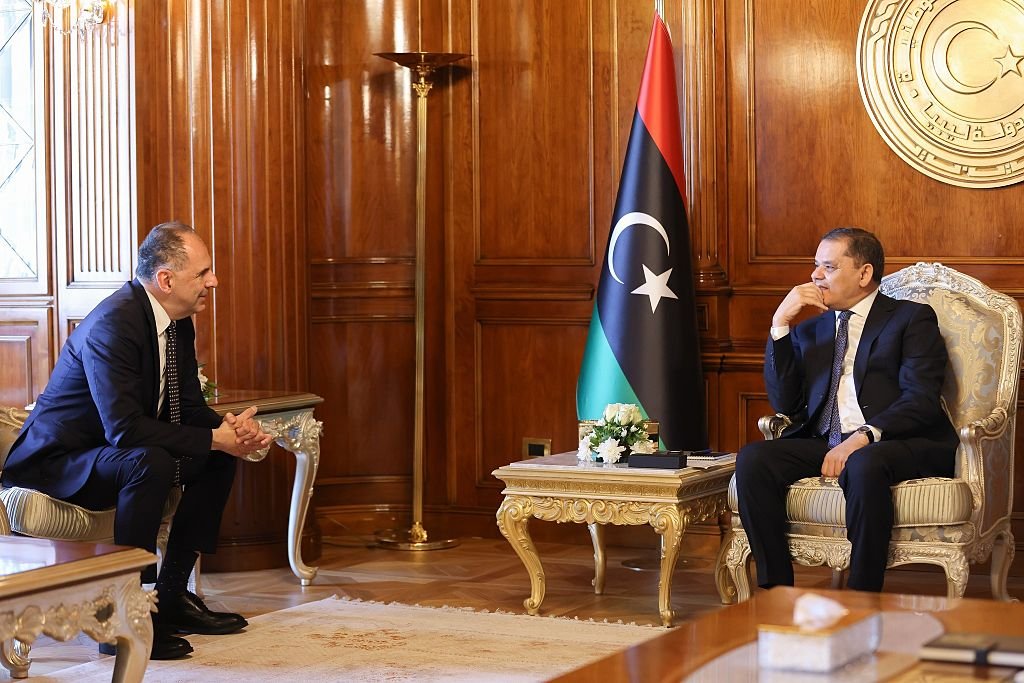

Athens is stepping up discussions with Libya aimed at reaching an agreement on delimiting exclusive economic zones (EEZ) in the Mediterranean, in a move seen as a response to the 2019 maritime agreement between Libya and Turkey.
“We have agreed to advance the discussions within the technical committees regarding the definition of the continental shelf and the Exclusive Economic Zone (EEZ),” Greek Prime Minister Kyriakos Mitsotakis said on Sunday.
The southeastern Mediterranean has long been marked by complicated and often contested maritime borders, tensions that have intensified in recent years amid evidence of significant offshore gas reserves.
In 2019, Turkey signed a maritime agreement with Libya’s Tripoli-based Government of National Reconciliation (GNA), drawing a border that bypasses Greek islands such as Crete. The agreement caused strong opposition from Greece European Union and Egypt, all of whom consider it invalid and in violation of the United Nations Convention on the Law of the Sea (UNCLOS).
EXPLAINED: Can the chaos in the Mediterranean be fixed?
Greek Prime Minister Kyriakos Mitsotakis recently announced his intention to organize a multilateral meeting that includes…
6 minutes
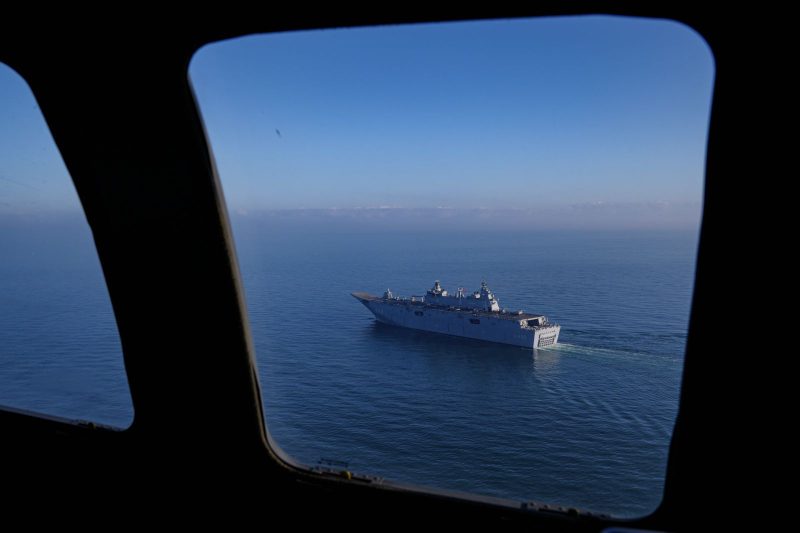
Although Libya’s parliament has yet to ratify the agreement, Ankara maintains that it is valid and sees Greece’s current initiative as an attempt to undermine it.
In Athens, the 2019 agreement has been widely interpreted as a Turkish attempt to challenge the principle that Greek islands have a right to their EEZs.
Turkey, which has not ratified UNCLOS, argues instead that maritime borders in the Aegean should be drawn along a median line between the two continental coasts.
The Greek leader stressed that any deal with Libya would be fully in line with international law, “as it has been with other countries in the region”, citing Greece’s existing maritime agreements with Italy and Egypt.
Israel’s ambassador to Greece, Noam Katz, has called on Turkey to seek partnership instead of “thinking along the lines of hegemony”.
“I hope that Turkey will become a constructive player again because it is an important country in our region, but it seems unlikely in the foreseeable future,” he said Euractiv in an interview.



