
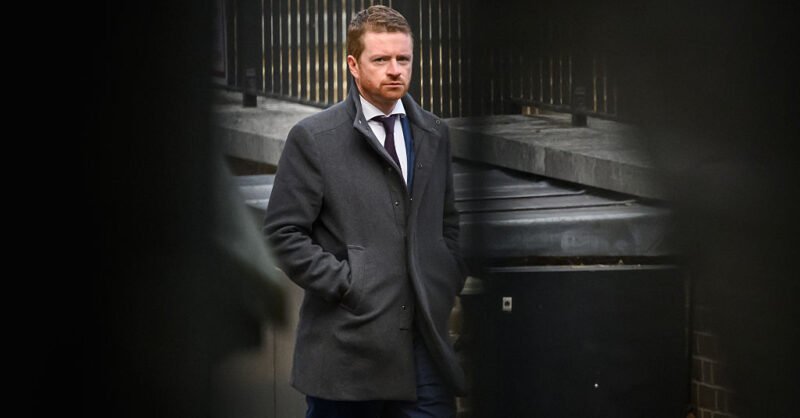

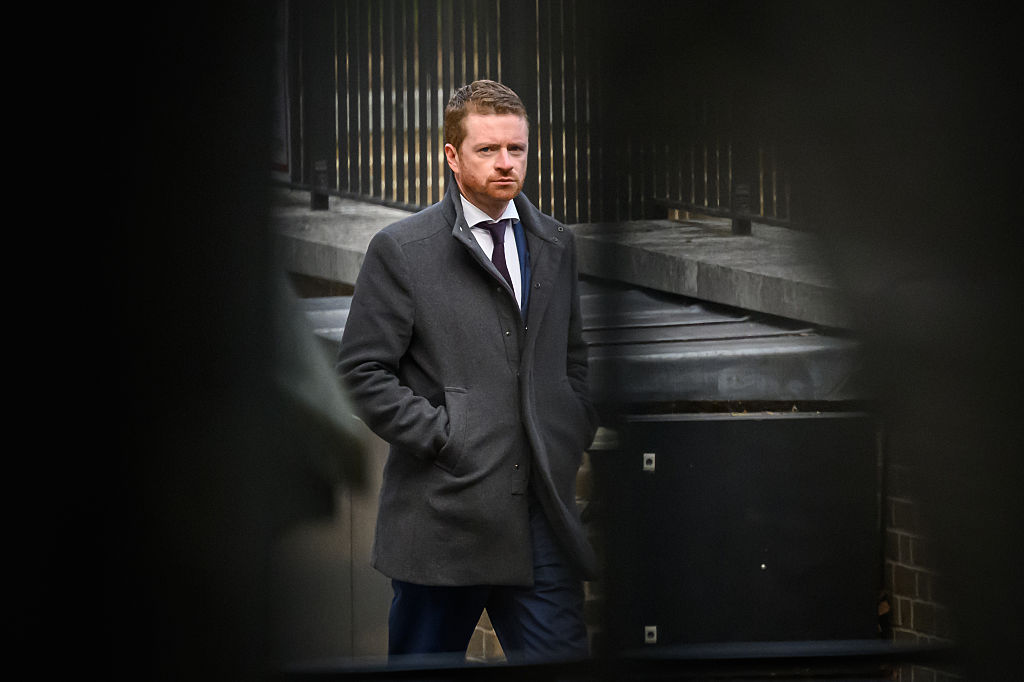
Morgan McSweeney, the Prime Minister’s former chief of staff, has just finished speaking to the Foreign Affairs Select Committee. He agonized over the decision to appoint Peter Mandelson as British ambassador to the United States, which he resigned in February, for more than two hours. Here are seven things we learned from the session.
He regrets the Mandelson affair
Morgan McSweeney began this rare public appearance with a statement of remorse. He said his advice to the prime minister to appoint Mandelson as ambassador was a “serious error of judgement” and that his resignation from his No 10 chief of staff post was evidence that he had taken responsibility for it. Later in the session, he said that, when Bloomberg story showing further evidence of Mandelson’s involvement with Epstein emerged in September, “it was like a knife in my soul”. This did not fully explain why, in that case, the Prime Minister stood up at PMQ after the story was published and said he had full confidence in his ambassador (within 24 hours Mandelson had been sacked).
Mandelson is not McSweeney’s hero
McSweeney was keen to distance himself from Mandelson, despite ongoing reports of their close relationship and the fact that the former ambassador said of him: “I don’t know who and how and when it was invented, but whoever it is, they will find their place in heaven”. McSweeney said Mandelson was not his “hero” and revealed he was not the one who first suggested Mandelson serve as US ambassador. Instead he said “I think the first person to put Mandelson’s name forward was Mandelson”, which drew laughter from the otherwise tumultuous committee room. He also speculated that Mandelson had leaked his ambitions to the press, perhaps in an attempt to bring No 10 back to a decision.
Mandelson’s role in Labor politics was more limited than reported
McSweeney strongly rejected claims that Mandelson had an intimate role in domestic Labor politics before his appointment as ambassador. He directly addressed reports that Mandelson had been involved in informal weaving and off-the-book candidate selections ahead of the 2024 election designed to freeze the left wing. “Mandelson had nothing to do with selecting or vetting any of our parliamentary candidates,” McSweeney said, “we did everything by the book.” He also denied reports that Mandelson had influenced the September 2025 reshuffle that followed the fall of Angela Rayner. McSweeney said Mandelson had tried to organize the reshuffle but failed. He confirmed that Mandelson had been in No 10 on the day of the reshuffle, but for unrelated reasons, and said he had received text messages from Mandelson making suggestions about how the government should be reshuffled. However, McSweeney said he did not respond to any of those messages until later in the day, after the reorganization was completed, and that they had no bearing on how it was performed. “He was not involved in the reorganization,” McSweeney said flatly.

Subscribe to the New Statesman today and save 75%
Osborne was the other candidate for the post of ambassador
McSweeney confirmed to the committee what had already been reported by our political editor Ailbhe Rea, that former Tory chancellor George Osborne was a heavily favored candidate for the role of ambassador to Number 10. McSweeney also revealed that Osborne’s candidacy was advanced so much that the government did its due diligence.
It was Trump’s second presidency that prompted the prime minister to choose Mandelson
On that note, McSweeney said that if Kamala Harris had won the presidential election in November 2024 instead of Donald Trump, Mandelson likely would not have been nominated. He said that with a Democratic president, the prime minister would have “a wider range of candidates available to him”, but Mandelson’s experience as EU trade commissioner made him the obvious candidate to strike a trade deal with Trump.
McSweeney and Powell were also named before vetting
On the controversial decision to confirm Mandelson’s appointment, start paying him and give him access to government buildings and classified information before he was vetted, McSweeney cited his appointment before vetting and the case of that other Blair-era political appointment to a sensitive government job: Jonathan Powell as National Security Adviser. McSweeney said Powell was also named before the vetting was completed. He said: “As far as I can remember, we appointed and then started the DV. I was appointed before I started the DV work and that’s what tends to happen… It didn’t occur to me to ask because that’s how I saw the practices being implemented.”
It’s a job for boys and girls
On the revelation by Olly Robbins that No 10 had mentioned possible embassy appointments to outgoing communications director Matthew Doyle, McSweeney said leaving the door open to future job opportunities was part of a “duty of care” for staff leaving the government. Pushed on this by committee chair Emily Thornberry, who said it seemed like a “boy’s job” and contrary to equal opportunity practices, McSweeney said the same would be done for departing female staff. Asked for an example, he said of his predecessor as chief of staff Sue Grey: “She is now in the House of Lords.”
(Further reading: Starmer relies on fed-up MPs, but not rebels)
Content from our partners



