

International supply chains are extremely sophisticated networks. If one part breaks, the ripple effect can be intense and chaotic. The widening conflict in the Persian Gulf has highlighted this reality not only by disrupting oil and gas supplies, but by affecting hundreds of downstream products – oil-derived chemicals used to make everyday and high-tech products that include fertilizers, pharmaceuticals and semiconductors as much as detergents, paints and plastics. For Asian countries, the supply of many of these products is either severely constrained or in the slow lane as they make their way east around the Cape of Good Hope. For India, the spiraling effect of blocked tankers and closed airports is severe.
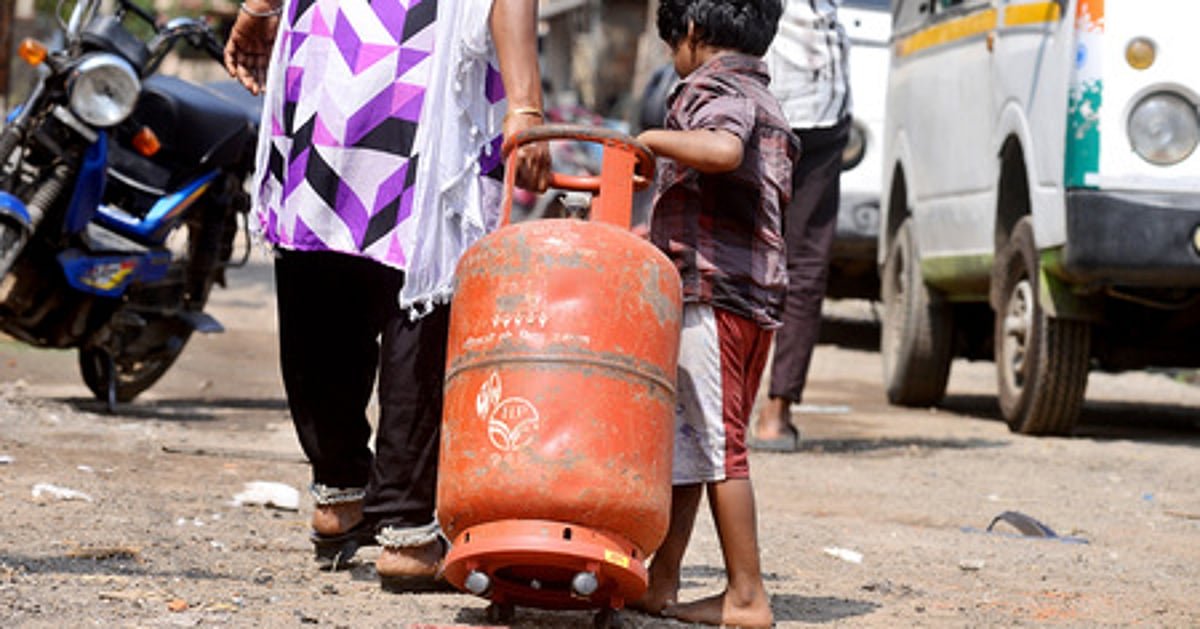
Among the sectors being hit by dwindling gas reserves are restaurants and hotels, big employers in a job-starved India. As more units close partially or completely, the migrant workers who supply their kitchens are returning home. About three-fifths of the workers at Gujarat’s Morbi pottery center have gone home as the propane that fires the kilns is in short supply. Lack of power has forced Surat’s vibrant textile units to operate only five days a week. Urea production in India fell by a quarter in March. Although the government rightly advises calm to avoid panic and hoarding, domestic LPG cylinders are being sold on the black market at many times the official price.
Like several other countries, India has kept its fuel prices at the pump by lowering excise duty rates. That could change dramatically if the war drags on, as it is showing signs of, once the election season ends at the end of April. Once pump rates start rising, rising inflation and a falling rupee would act as heavy drags on GDP growth that was earlier expected at 7.2-7.4 percent for the next fiscal. Options to mitigate shortages are few. However, urgent steps must be taken to stretch energy sources by ensuring a more even distribution of fuel and cooking gas, and preventing panic buying. Rationing may be a last resort. If this indeed ends up being a pandemic-like disruption, we must come together in the same spirit of helping and sharing.



