
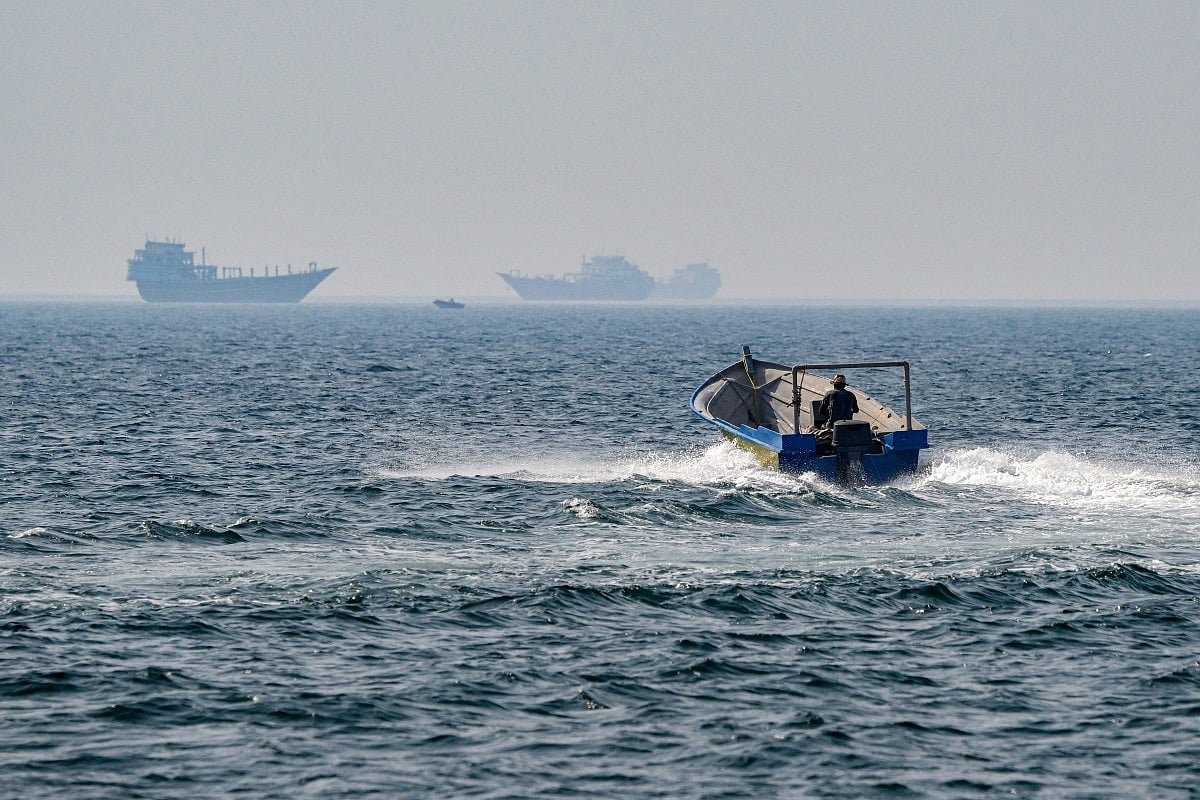

Historically, Arab and Islamic geographers referred to the strait by several names that reflected its commercial role and its connection to the main ports of the Gulf. Among these names were Bab Al Selam, Bab Al Basra, Bab Al Bahr, Bahr Makran and Bahr Fars. These terms appear in the works of Ibn Khordadbeh, Ibn Hawkal, Al Ja’qubi, Al Idrisi and Yaqut Al Hamawi, who described the sea routes connecting India with Mesopotamia. The modern name “Hormuz” is associated with the Kingdom of Hormuz, which flourished between the 10th and 16th centuries. The Portuguese adopted the local name when they conquered the island in 1515, helping to spread it globally through European cartography – although they were not the first to use it.
Specific international convention
In contrast, the Bosphorus represents a strait fully controlled by a coastal state under a separate international convention. It connects the Black Sea with the Sea of Marmara and is entirely under Turkish sovereignty. The 1936 Montreux Convention regulates the passage of merchant ships, sets clear limits on warships and gives Turkey broad powers during wartime or when faced with an imminent threat. The same applies to the Dardanelles, making the two straits legally distinct from Hormuz, which is not governed by any specific convention, but rather by the general provisions of the UN Convention on the Law of the Sea.



