

Mumbai: Amid growing concerns about fuel security and sustainable energy after Western Asia crisis, a village in the north Goa is demonstrating how organic waste can be turned into a reliable source of cooking fuel.
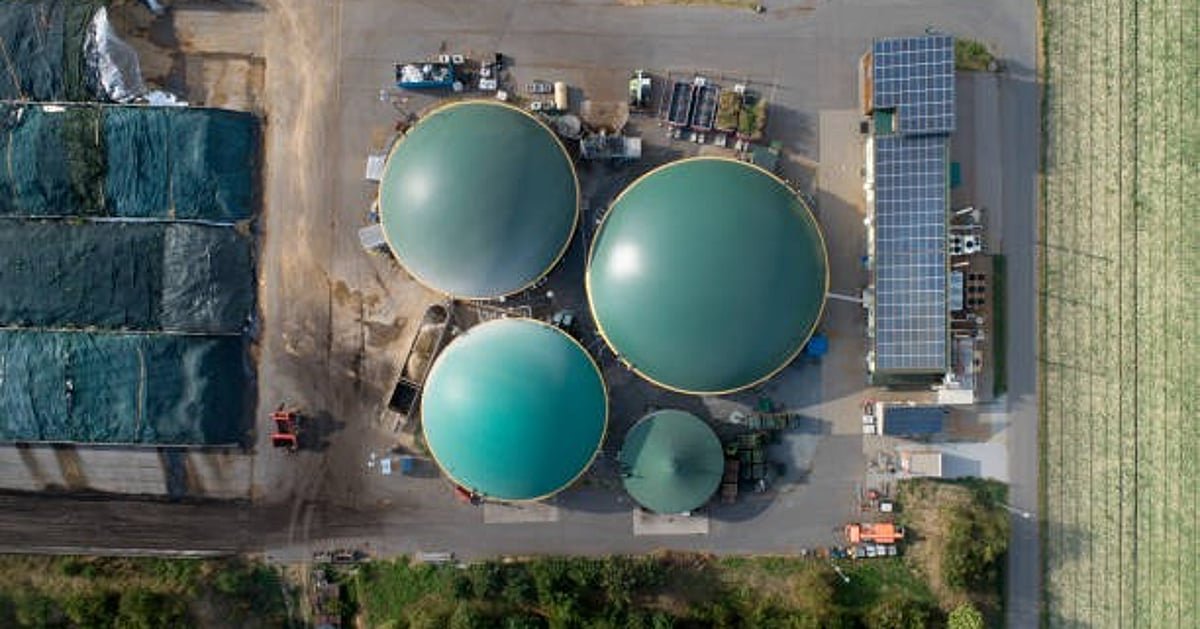
A biogas plant set up in Mayem by the Panchayati Raj Department is converting cow dung into cooking gas, offering a decentralized waste-to-energy model.
The facility processes nearly 5,000 kilograms of cow dung every day and produces about 130 cubic meters of biogas, which is used for daily cooking needs.
“Biogas is a clean and efficient solution that turns waste into a valuable source of energy. Mayem Panchayat’s initiative shows how this can be effectively used for cooking at the local level. “Effective waste management is not just about disposal, but about creating value from what we produce,” says Mauvin Godinho, a cabinet minister in the Goa government.
Implemented under the Swachh Bharat Mission (Gramin) as part of the GOBARdhan Initiative, the project focuses on converting biodegradable waste into clean energy by strengthening rural waste management systems.
The factory processes about 5 tons of cow dung per day. Typically, 1 ton can generate about 35-40 cubic meters of biogas, which means the plant produces approximately 130 cubic meters per day. This is enough to meet the cooking needs of around 80–100 families, depending on usage.
This is currently the only operational project in Goa converting cow dung into biogas at this scale.
The Mayem plant demonstrates how community-level infrastructure can address waste disposal challenges while contributing to the adoption of renewable energy and environmental conservation.
Currently, gas supply is limited to the main kitchens of the gaushala (2) and the residential work units (13), benefiting about 15 families. The gas is currently used for community/public purposes within the Gaushala, with potential for wider local distribution.
The approximate cost of setting up such a plant is Rs 1.97 crore.
Given its ability to convert locally available cow dung waste into a reliable cooking fuel, this project can serve as a replicable model especially in the context of growing interest in decentralized alternatives to LPG.



