
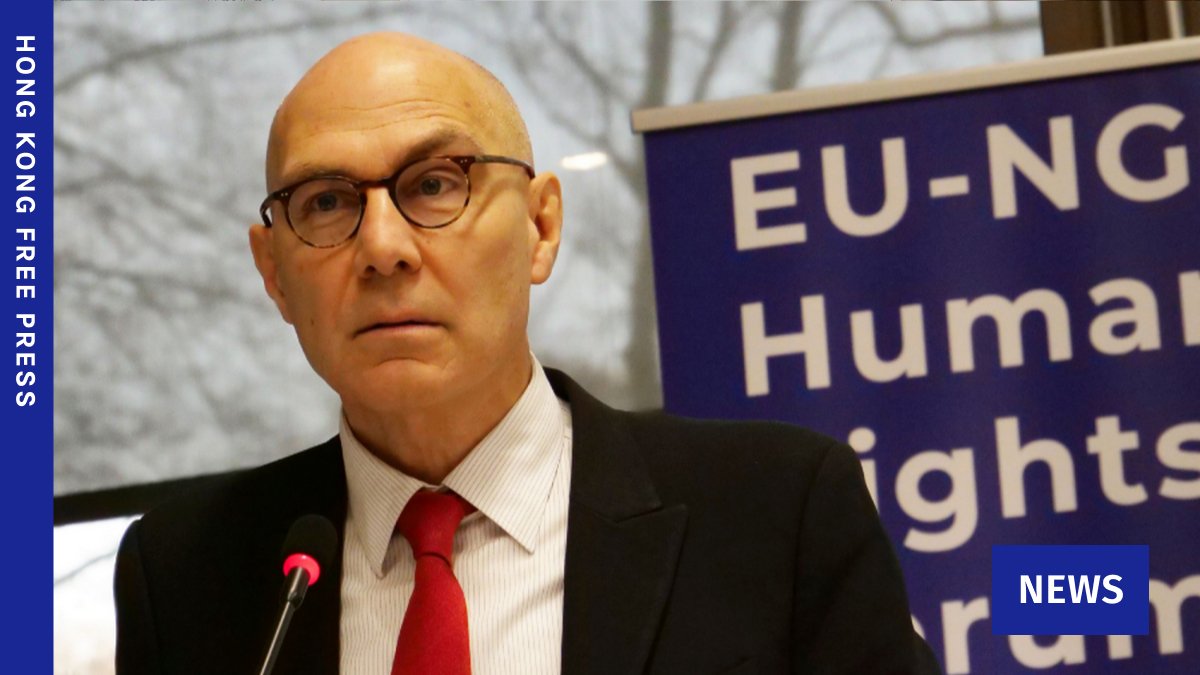

UN rights chief Volker Turk expressed concern on Friday about China’s so-called “ethnic unity” law, saying it could limit freedom of religion and culture.

the law, approved on Thursday by the National People’s Congressformalizes policies to promote Mandarin as a “common national language” in education, official business and public places.
Rights advocates warn that the law could further marginalize minority groups such as the Uyghurs.
Turk is “concerned” by the law, his office said in X.
“This risks entrenching assimilationist policies in the charter, restricting education in minority languages, and restricting the free practice of religion and culture.
“Its provisions may unduly limit the freedoms of expression, belief and assembly and penalize the peaceful exercise of minority rights in general.
“International human rights law requires states to protect the identities of ethnic, linguistic and religious minorities.”
China’s government has been accused for decades of pursuing policies to force assimilation across the vast country on the Han majority.
The law aims to “strengthen cohesion” within China, which the legislation argues is undergoing unprecedented social change.
China officially recognizes 55 official ethnic minorities within its borders who speak hundreds of languages and dialects.





