
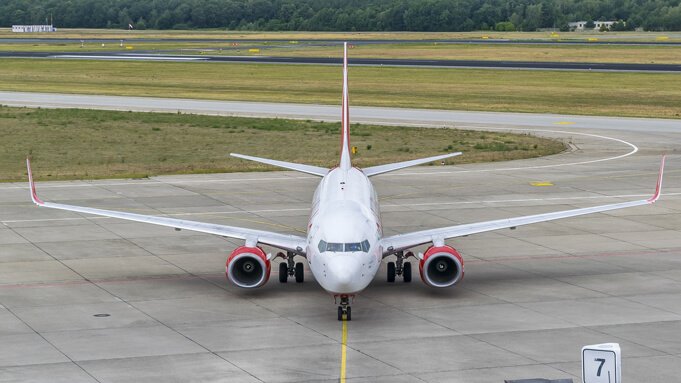

Berlin’s newest airport – still in the works, years behind its estimated completion date – has been a sore spot for the capital. Now, low-cost airline Ryanair says Berlin needs another air travel hub.
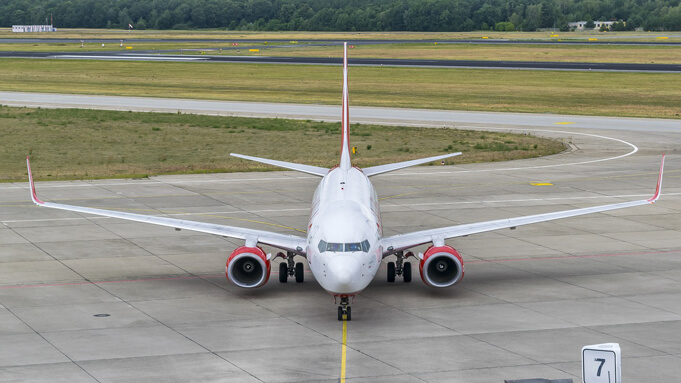
An airport alone cannot handle the increase in passengers
According to Ryanair’s chief marketing officer, Kenny Jacobs, the company estimates that by 2050 Berlin will need to accommodate more than 90 million air travelers each year. This is nearly three times the number of passengers currently using Berlin’s current airports, Tegel and Schönefeld (approximately 33 million).
The opening date for BER is still up in the air
There has been much discussion, debate (and embarrassment) over the city’s newest airport (BER). Numerous changes in personnel, obstacles and infrastructure challenges have caused the project to go over budget and exceed the estimated time frame. The airport, which was set to open this year, is now being delayed for the umpteenth time for at least the next year (we’re not holding our breath).
Once opened, BER will be the only airport serving Berlin. Ryanair thinks this is not enough. According to the company, BER’s plans greatly underestimate air passenger forecasts. Currently, the two operational airports handle 6 million people more than BER’s primary capacity. With estimates of roughly 50 million passengers a year by 2030, Jacobs says one airport simply isn’t enough.
Vote to keep Tegel alive
On September 24, the same day as the national elections, locals in Berlin and Brandenburg will be able to vote on whether or not Tegel should continue operating. “Therefore, together with most low-cost companies, we support the citizens’ initiative to continue using Tegel,” said Jacobs.
Ryanair further states that keeping Tegal in operation will maintain more than 12,000 direct and indirect jobs in the area. These would not have been moved to the BER, which will itself add another 15,000 new jobs.
According to Jacobs, the two airports would also help support the city’s growing flow of tourists and visitors. This can help support hotels, taxis, restaurants and add up to €3 billion to the city each year. He also accused the local government of thinking “in the last century”. Berlin is a “big European city” and should be treated as a travel center like any other capital city.



