
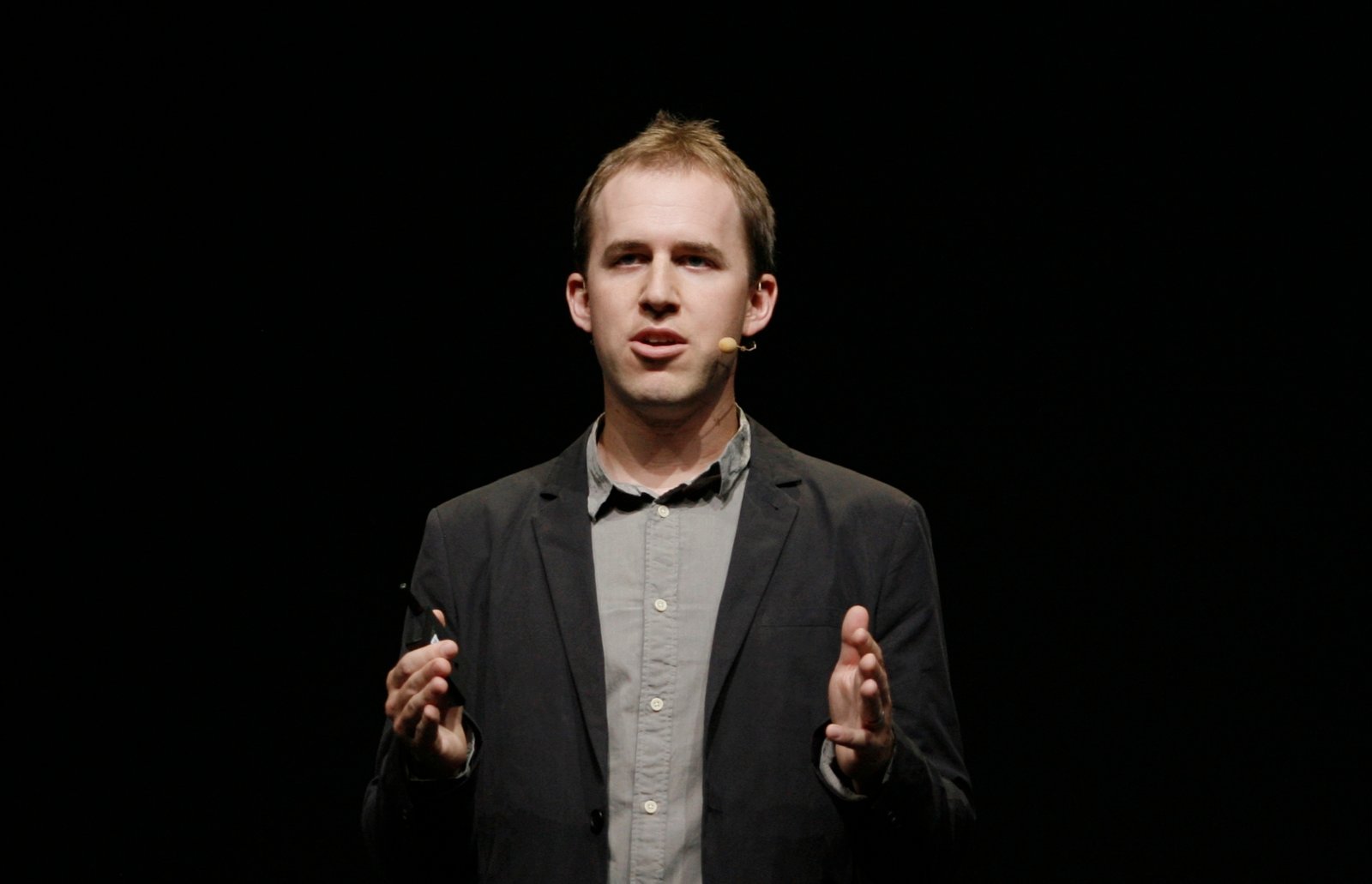


OpenAIfounded in 2015 as a non-profit organization dedicated to ensuring that AI benefits all humanity, drew criticism after it set up a for-profit subsidiary in 2019 and was accused by figures such as co-founder Elon Musk of leaving her mission. That chapter was effectively closed last year when OpenAI became a public benefit corporation and gave the nonprofit a 26 percent equity stake as part of the recapitalization. With that stake now valued at about $130 billion, the foundation plans to support projects that expand AI’s advantages and address its risks, according to Brett Taylorchairman of the OpenAI Foundation, now one of the largest charities in the world.
Taylor said in a March 24 update that the foundation will invest at least $1 billion this year in areas including life sciences, jobs and community programs, marking a major increase in giving and accompanied by a wave of new hires.
Taylor became chairman of OpenAI in 2023 on the eve of CEO Sam AltmanHis brief overthrow and restoration. Taylor’s resume includes chief technology officer at Facebook (now Meta), co-CEO of Salesforce and the president of Twitter (now X), in addition to launching many startups, including AI Sierra’s company.
Among the main appointments he announced is Jacob Trefethenformer managing director at grantee Coefficient Giving, who will become the foundation’s head of life sciences and disease cures. Taylor said health will be a major focus in 2026, citing opportunities for AI in Alzheimer’s research, public health datasets and advances in high-fatality diseases.
Co-founder of OpenAI Wojciech Zaremba will lead the foundation’s work on AI resilience. In addition to improving model security, that program will focus on making tools safer for new users and strengthening preparedness for both naturally occurring biological threats and AI threats.
The nonprofit marked AI health and sustainability as priorities last October, when it pledged $25 billion in both areas. This commitment follows an earlier $50 million initiative for community-based organizations, which led to $40.5 million in grants to 208 nonprofits last year, as well as the creation of a commission to advise on its giving that includes figures such as activists Dolores Huerta.
Taylor said the resilience of AI will remain a core focus of the OpenAI Foundation’s grants in 2026, along with efforts to address the impact of AI on the workforce and the broader economy. More details on specific grant programs and funding plans are expected in the coming months.
As the foundation builds its strategy, it is also expanding its leadership bench. Anna MakanjuOpenAI’s former vice president of global impact will become AI’s head of civil society and philanthropy. Robert Kaidenwho previously held executive roles at Deloitte and Twitter, will serve as chief financial officer, and Jeff Arnoldfounder of Depth Ventures, will be director of operations. The board plans to continue hiring through 2026 and is currently searching for an executive director.
The new commitments mark a sharp increase from OpenAI’s past philanthropy. In 2024, the most recent year for which public tax records are available, the foundation gave out about $7.6 million, including a $1 million grant to an AI security fund at the Meridian Institute, which has since been dissolved, and a $950,000 superline research grant to the University of California, Berkeley.
Whether this expanded war chest will meaningfully shape how artificial intelligence affects society is still an open question. Critics worry about increased energy use, changing labor markets and the impact on mental health of AI tools as the lucrative OpenAI arms race to dominate the industry. Taylor, however, is laying the groundwork as part of the answer. “We aim to enable the use of AI to find solutions to humanity’s toughest problems, transform what humans are capable of and deliver real benefits to people’s lives – while working hard with partners to be ready for new challenges and help society be resilient as AI advances,” he said.



