

Chinese science and technology associations called on Friday for a boycott of a major global artificial intelligence conference this year, after the event’s organizers said they could not accept submissions from those on a list of US sanctioned entities.

The Chinese Association for Science and Technology (CAST) criticized the move by NeurIPS – whose 40th annual conference takes place in Sydney in December – as “injecting political hegemony into academic exchange”.
The Chinese Computer Federation and the Chinese Automation Association have also asked their members to refrain from submitting documents or doing academic work with NeurIPS.
NeurIPS, run by a non-profit organization based in the US, is one of the most prestigious academic conferences in machine learning, AI and computational neuroscience.
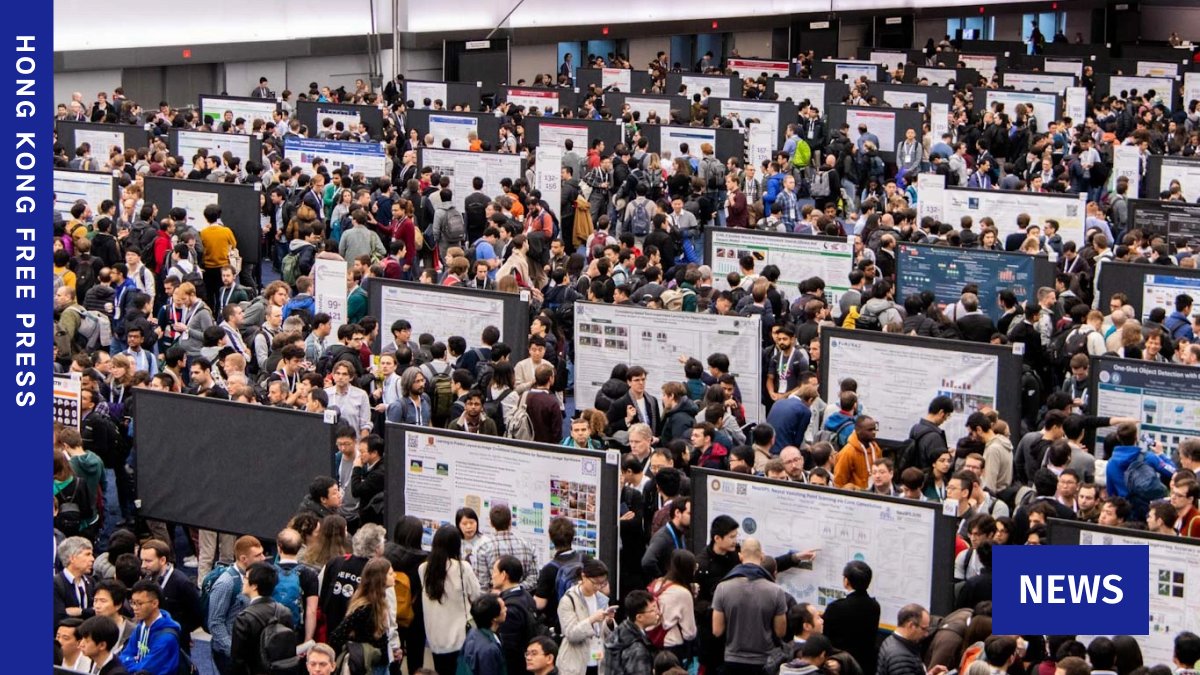
China in recent years has become a major contributor to the gathering, which typically attracts tens of thousands of researchers to present and discuss the latest work, as technology firms and investors look for emerging talent.
NeurIPS organizers initially stated in a recent policy update that they were “required by law to comply with US sanctions and trade restrictions” and were therefore “unable to accept or publish submissions” from sanctioned institutions.

Chinese technology companies including Huawei, DJI, China Telecom and chip maker SMIC, and leading academic institutions such as Harbin Institute of Technology and Beihang University have been sanctioned by various US government agencies.
Organizers later clarified that the rules apply specifically to entities on the US Treasury’s Designated Nationals and Blocked Persons (SDN) list.
“No matter how prestigious an academic conference may be, once it is tainted by political sympathy, it will be rejected by the academic community,” read a commentary published Friday by CAST, China’s largest professional body for scientists and engineers.
In a separate statement, the association said it would stop accepting funding applications from researchers wishing to attend the NeurIPS 2026 conference.
CAST added that it would no longer recognize papers accepted by NeurIPS this year.
This is not the first time that Chinese scholars have faced exclusion from mainstream academic activities.
In 2019, science publisher IEEE was forced to back down on a ban affecting Huawei researchers following strong opposition from the Chinese academic community.





