
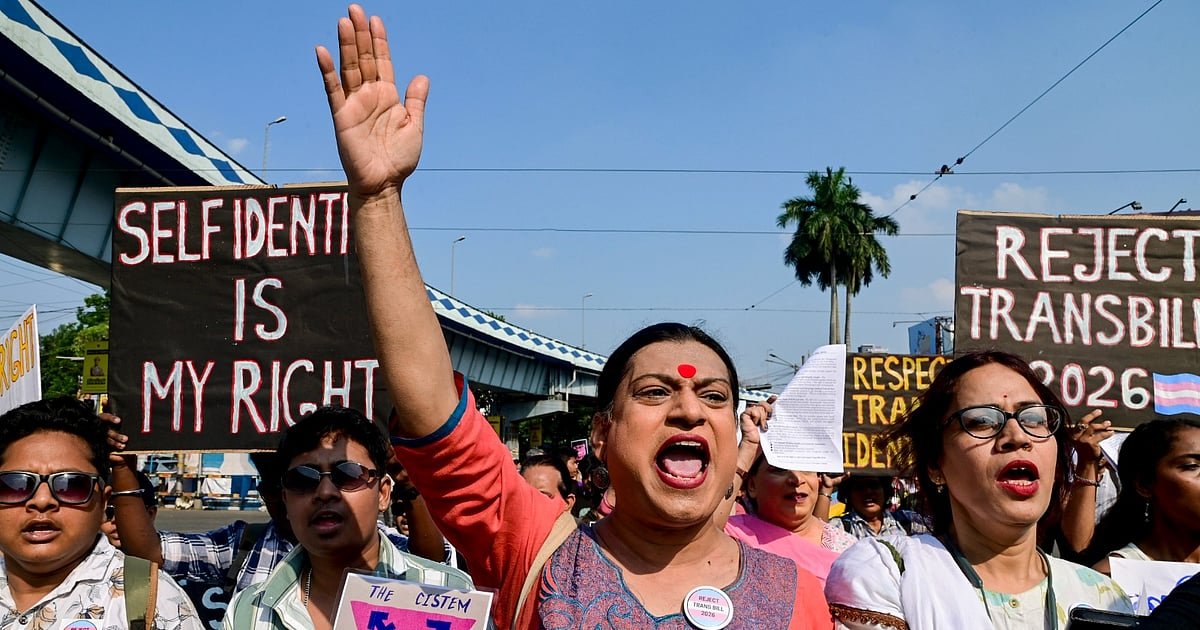

The bill contains no requirement for counseling by geneticists prior to certification or surgery. It provides no mandate for India-specific studies on gender-affirming surgery or hormone replacement therapy that were virtually unknown in India before the 1990s and are not medically essential. The well-known long-term Swedish study showing 19 times higher suicide rates after surgery is ignored. Mandatory reporting of unethical and unregulated ‘gender operations’ raises serious privacy concerns.
The Bill does not contain any cross-cutting lens on caste, disability, poverty or religion. Transgender people from SC, ST or disabled backgrounds will continue to face compounded discrimination with zero targeted remedies. It also fails to protect India’s family-dependent social structures by sidestepping any call for rigorous, evidence-based research before policy changes. More critically, the bill is completely silent on the civil and marital rights of the various GIESC identities. It makes no provision for marriage, adoption, inheritance, divorce or inheritance for transgender persons, leaving them without full legal recognition in family law and perpetuating their exclusion from the institutions that define citizenship and dignity in Indian society.
In short, the 2026 bill strengthens some definitions and increases the penalties for forced exploitation, but it leaves intact every essential structural flaw: intersex-transgender interbreeding, internal abuses of the Hijra community, the lack of counseling based on genetic science, the refusal to create the proper SC legislation framework, and the lack of a separate GIE framework. protections.
These deficiencies enable continued rights violations, policy failure, and the very “negligible discrimination” that the Supreme Court has repeatedly emphasized. India urgently needs a scientific, culturally rooted, comprehensive approach that separates the biological characteristics of sex from gender identity, prioritizes evidence over ideology, bans non-consensual intersex surgeries, recognizes different sexual orientations, grants full civil and marital rights, dismantles colonial-era exploitative systems, and protects every other gendered and gendered person. the affirmative spirit of our pre-colonial traditions.
Our constitution demands nothing less.
Gopi Shankar Madurai | Special Monitor for Rights SOGIESC, National Human Rights Commission
(Images are personal)



