


You are not here in the body
However, your songs remain with us
Like waves that never tire
To claim these shores again
(‘Sound Fields’ from ‘Maktub’)
Lyrics from one of Motherjane’s signature songs are proving to reflect the band’s own history. Kerala’s pioneering ethno-rock outfit has had a rollercoaster ride – switching from covers to original music, seeing members come and go, pausing for a while and then regrouping in late 2022.
Now, the group is back. Ready to break new ground with a new album after an 18-year gap since ‘Maktub’ (2008), the record that propelled Motherjane to world fame.
The new album is almost a continuation in spirit of Maktub. “Maktub means ‘It’s written’. As a follow-up, we originally wanted to call the new album ‘Rewritten’. But in the end, we settled on ‘Dobareh,'” says Suraj Mani, the band’s frontman and lyricist.
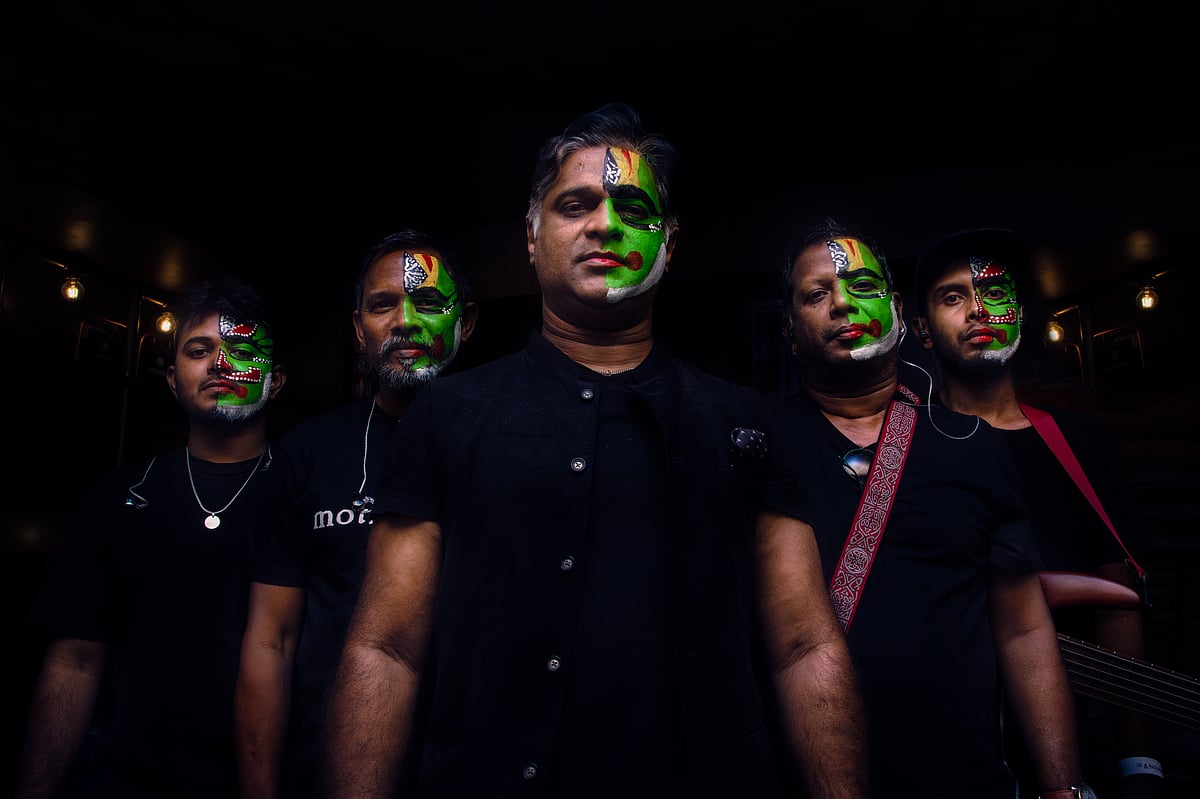
‘Dobareh’, meaning ‘again’ or ‘rebirth’ in this case, marks Motherjane’s third studio effort after ‘Insane Biography’ and ‘Maktub’.
When ‘Insane Biography’ was released, it was well received in music circles, but it didn’t make a big splash. However, ‘Maktub’ changed everything.
She established Motherjane as a distinct artistic force, with abstract yet evocative lyrics and Baiju Dharmajan’s brilliant guitar riffs taking center stage.
His raga-infused licks and solos, delicately poised on the fringes of rock and Carnatic music, became central to the band’s identity. As one fan once commented: “Like a unique blend of kaapi filter and dark rum.”
“In many ways, ‘Dobareh’ resembles ‘Maktub’,” says Suraj. “Its central theme is second chances – whether it’s Motherjane finding her way into the independent music scene or an individual’s need for another chance at life.”
Suraj credits the album’s warm reception to the chemistry between him, Baiju (lead guitar) and Deepu VS (rhythm) and newcomers Alloy Francis (drums) and Alan Santosh (bass).
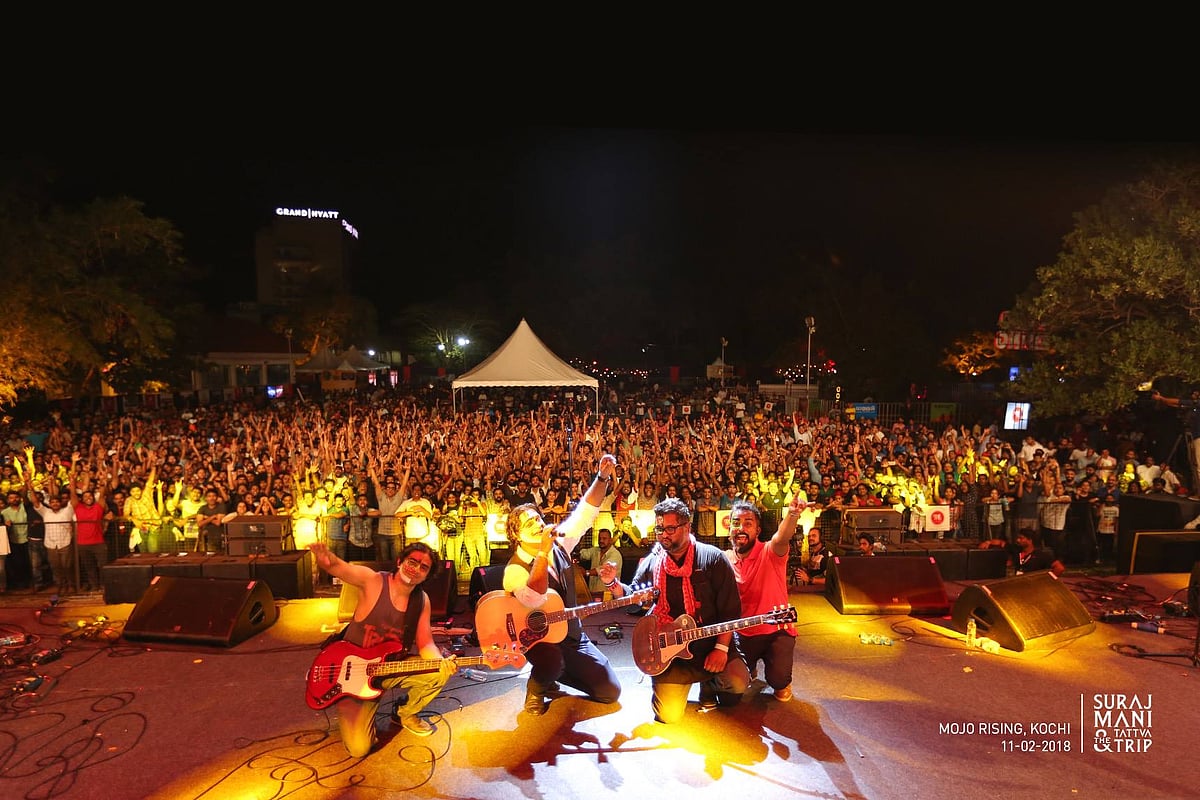
“Everything happened at once,” says Baiju. “We regrouped in 2022 and within the first 10 minutes of our first session, we had written ‘Do Good, Don’t Be Good’, one of the songs on ‘Dobareh’. Music never took time for us. It just flowed.”
Deepu, who joined the group after quitting in 2013, echoes the sentiment. “I had forgotten everything after I left Motherjane. But the moment I came back, it all came rushing back, like it had just been waiting inside me,” he says.
“We just have to sit down together to make the music happen. Most of the songs come out of the mood we’re in and our conversations.”
Baiju believes that little has changed musically. “The music I made at 25 is the same music I make at 50. Music is not about age. Look at bands like Iron Maiden – they’re still filling stadiums in their seventies,” he says.
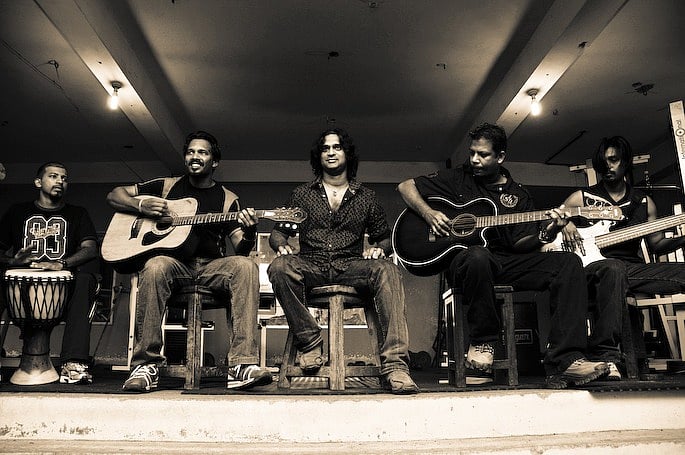
“What has changed is everything around it. The technology is sharper, the live productions are bigger and the recording techniques have evolved. We just focus on the music and leave the production to those who understand the technology of the time.”
This evolution is reflected in the track “Home”, where AI-generated visuals depicting native landscapes accompany the music.
“Songs like ‘Home’ and ‘Mahabali’ will resonate emotionally with Malayalis. And ‘Do Good, Don’t Be Good’ will connect with many as a philosophy on life,” says Suraj.
“Dobareh” retains the qualities that have defined Motherjane – lyrics that explore life’s questions with a searching spirit, a nostalgic root and infusions of Baiju’s Carnatic character woven into progressive metal. Deepu points out that it is this particular blend that sets the group apart.

Baiju traces his Carnatic-rock fusion style to ‘Soul Corporation’ in ‘Crazy Biography’. “I was nervous at first. Not sure if the mix would work. Thankfully, everyone appreciated it. Later, during the recording of ‘Broken’ for ‘Maktub’, I expanded on that approach. I’ve continued with it ever since,” he says.
Though his work has earned him accolades such as the Jack Daniel’s Award and the title “The Lord of Small Strings,” Baiju says the appreciation of other musicians for his Carnatic infusions remains his greatest validation.
“Those stylistic elements have naturally found their way back into the music to create the ethno-rock that defines us,” says Suraj.
For Baiju, the band’s sound is only possible because each member is allowed to contribute freely.
“Suraj’s lyrics are deep-rooted, full of life and philosophy. He is an intuitive writer. I bring my music, so does Deepu and others. We allow each person to be themselves. And together, the soul of our music remains,” he says.
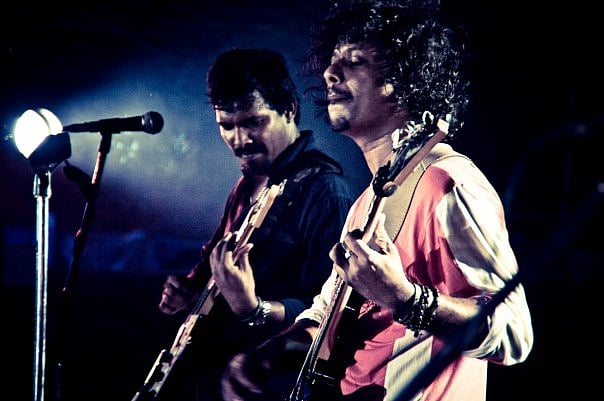
In addition to technology and presentation, Motherjane believes that the audience has also changed. “Earlier, music here mostly revolved around film songs. Today, there is much more scope for indie festivals and live shows. With proper promotion, it’s also easier to reach a global audience,” says Deepu.
Looking ahead, Motherjane sees only one path: “Music. More music.”
“When we first left Motherjane, John Thomas, who co-founded the band in 1996, said we were leaving just as the band was about to take off. It would be great if he, Clyde Rozario and the other early members were part of this journey again. We have high hopes… maybe even a Grammy,” smiles Baiju.
Suraj adds that he deeply respects everyone who has been a part of Motherjane over the years. “Paths may converge or diverge, but may the music always remain good and may it outlive its creators,” he says.
“We’ve released nine new songs and I honestly believe they’re our passports to stages around the world. And there are many more songs waiting to come from Motherjane – songs the world will want to hear.”



