China said on Friday it would impose a 55 percent tariff on beef imports from Australia after shipments from the country reached Beijing’s annual limit.

The price of beef in China has been on a downward trend in recent years, with analysts blaming oversupply and lack of demand as the world’s second-largest economy has slowed.
At the same time imports have increased, with China representing an extremely important market for countries such as Australia.
Beijing’s Ministry of Commerce imposed annual quotas on beef from countries including Australia in late December after investigators found imports had hurt China’s domestic industry.
Beef sent to China will be subject to an additional 55 percent tax if imports go beyond those quotas, the ministry warned, with Australia facing a quota of 205,000 tonnes in 2026.
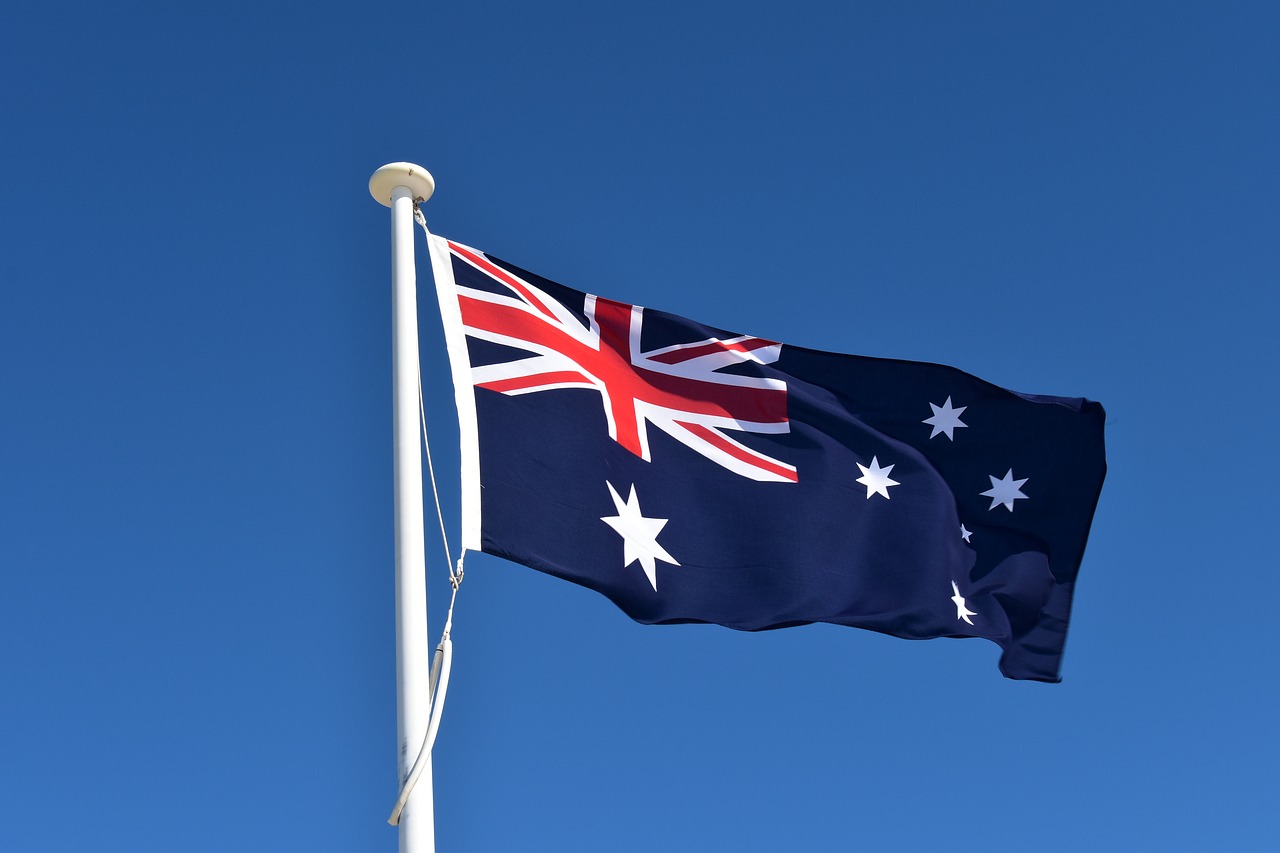
The Commerce Ministry said Friday that “beef imports from Australia under the beef safeguard measure reached 100 percent of the volume set for that country” the day before.
The additional 55 percent tariff will be imposed on Australian beef imports from Saturday, he said.
The ministry described the taxes in December as “protection” and said they would be eased gradually.
Australia’s government said in January it was “disappointed” with China’s decision to impose new beef import tariffs, with an industry group warning the move could damage more than A$1 billion ($701.5 million) worth of trade between the two countries.