

Australia’s foreign minister said on Wednesday that China has agreed to work together to facilitate jet fuel exports in an effort to ease supply disruptions caused by the war in the Middle East.

The conflict and the closure of the Strait of Hormuz, through which a fifth of the world’s crude oil transit passes, has sent fuel prices soaring and left many Asia-Pacific countries facing an energy crisis.
China, a major exporter of jet fuel and diesel to Australia and other countries, has avoided the worst energy impacts of the war thanks to its large oil reserves, but it halted exports at the start of the war to protect its domestic supplies.
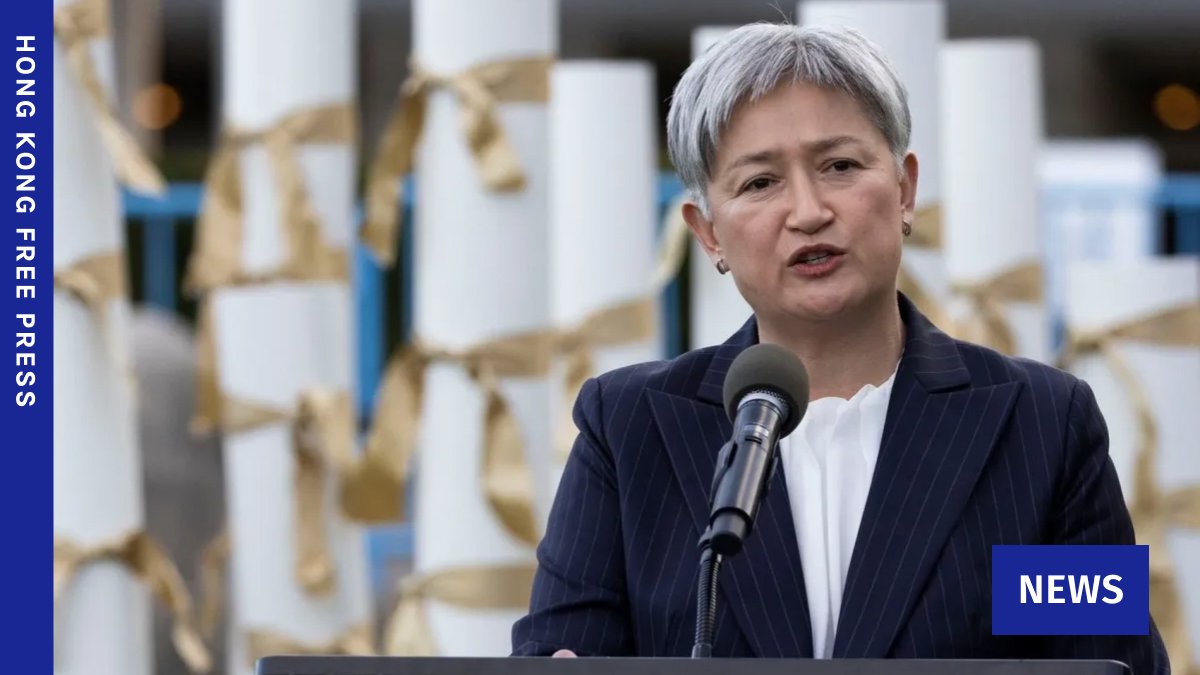
“I can confirm that the Chinese government is facilitating engagement with Australian businesses on jet fuel,” Foreign Minister Penny Wong told reporters in Beijing after talks with her Chinese counterpart Wang Yi and Chinese Vice President Han Zheng.
She added that the move was “an important step, however, it is the first step”.
Earlier in the day, Wong asked Han her case, saying refineries in the Indo-Pacific region have been disproportionately affected by the blockade of the Strait of Hormuz, according to an Australian foreign ministry reading.
In the talks, she called for greater reciprocity in trade, stressing that Australia’s steady supply of raw materials and food to China must be matched by a reliable flow of petrol, kerosene and fertilizer to Australia.
“I noted that the import inputs that China supplies to Australia, including jet fuel, support the Australian resources sector, which in turn helps maintain the flow of goods that are so important in the bilateral trade relationship,” Wong said at the press conference.
China to resume exports in May with major state-owned companies applying for licenses to do so, Financial Times reported Tuesday, citing industry sources.
Chinese authorities have not commented publicly on the matter.
During her talks with Chinese officials, Wong added: “We were able to speak frankly, as we do, about those areas of difference, including consular issues, human rights, foreign intervention and regional and international security.”





