
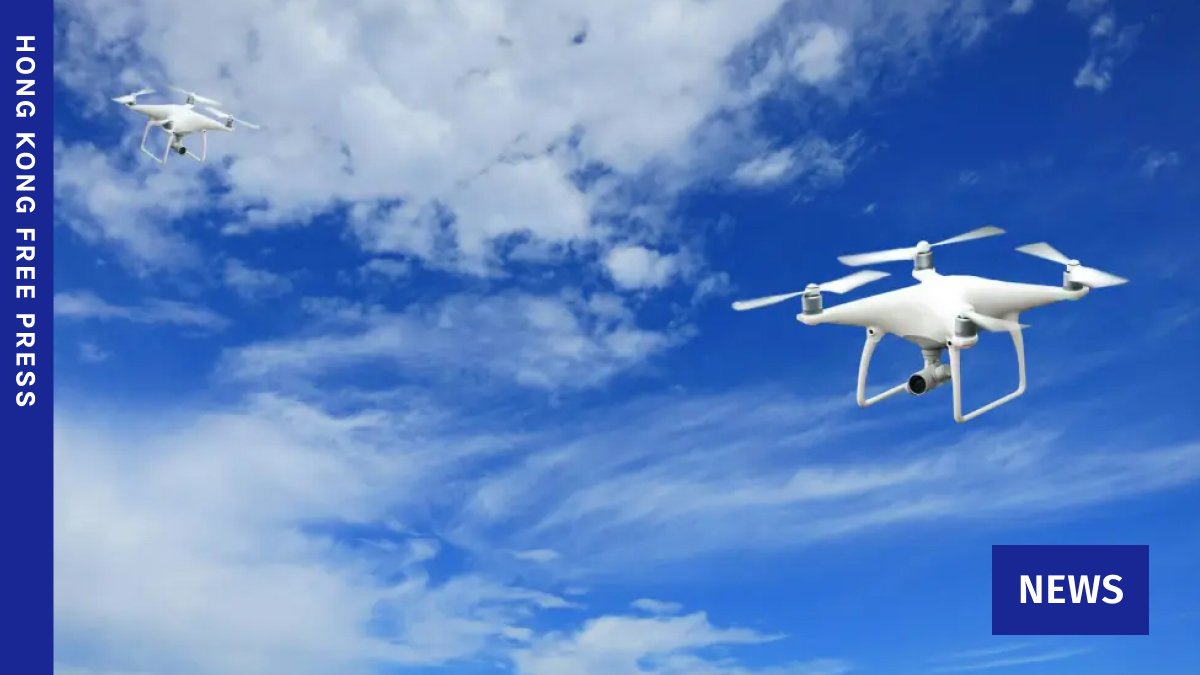

China will ban the sale of drones in Beijing and require users to apply for a permit for all flights in the capital under strict rules that take effect on Friday.

Officials have cited public safety for the new rules, which also ban bringing unmanned aerial vehicles (UAVs) or their essential components into Beijing.
E-commerce platforms will be banned from sending UAVs to Beijing, although drone owners who have completed the real name registration of their devices before May 1 will be allowed to take them in and out of the capital.
Drone users in the city of 22 million people will have three months after the new rules come into force to register their devices at local police stations.
Some vendors across the city had already removed the drones from their displays before the rule change, AFP reported on Tuesday. An employee at a DJI store in downtown Beijing said the equipment was being packed to be shipped to other cities.
DJI, which is the world’s largest drone maker and has been sanctioned by the US government over safety concerns, is dominant in the Chinese market but now faces being shut out of its capital by the new rules.

The city’s airspace will be closed to all drone flights without prior approval from authorities, with fines of up to 10,000 yuan ($1,463) for illegal flights and possible confiscation of the drone.
Organizations or individuals caught selling drones or 17 essential components will also face fines under the new rules.
‘One size fits all’
Drone storage rules will also be tightened in the capital, with individuals allowed to keep a maximum of three drones in a single location within Beijing’s sixth ring road.
Online, many users complained that the new rules were onerous and left them with few options to fly their devices to Beijing.
“This is a crazy one-size-fits-all system,” wrote one user on social media platform WeChat.
Others said they will sell their drones ahead of the new rules.
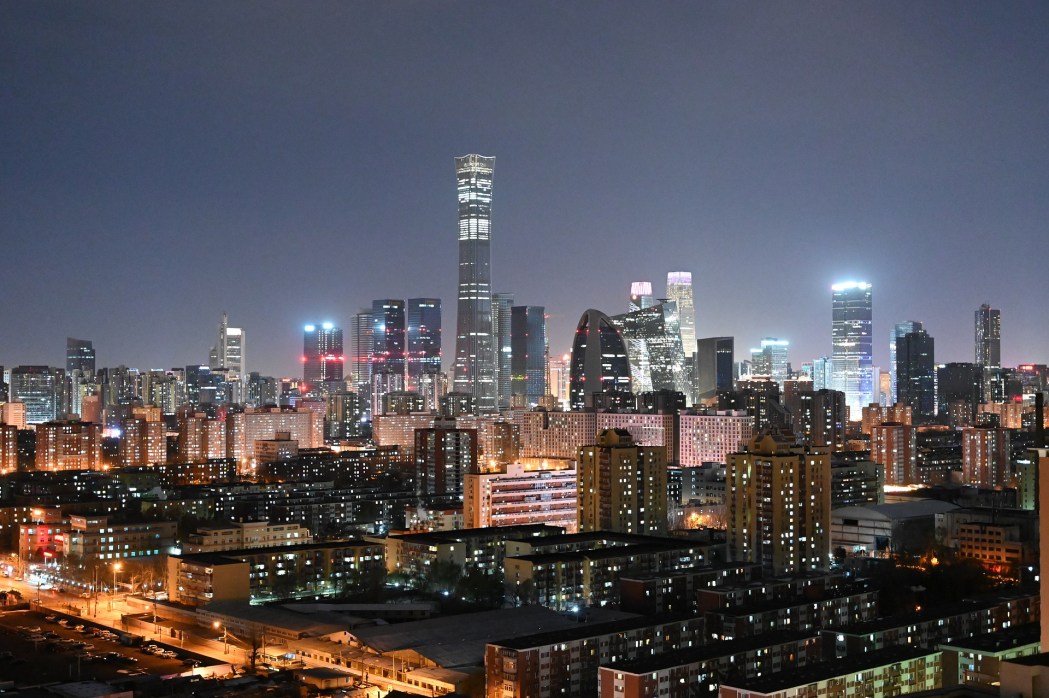
At a drone flight school in central Beijing, staff told AFP they were worried about how they would buy new drones or components when their stock breaks down or needs maintenance.
But they hoped that educational and sports facilities like theirs would eventually get an exemption from the rules.
The new regulations say exemptions can be granted for special purposes such as counter-terrorism, agriculture, education and sports.
“As the capital, Beijing faces more challenges in low-altitude airspace security, making it more urgent to strengthen UAV management,” Beijing municipal official Xiong Jinghua said when the rules were announced in March.
National laws have also been strengthened this year in China, with illegal drone flights now punishable by a ban of up to 15 days and UAVs required to provide real-time data to authorities during flights.





