
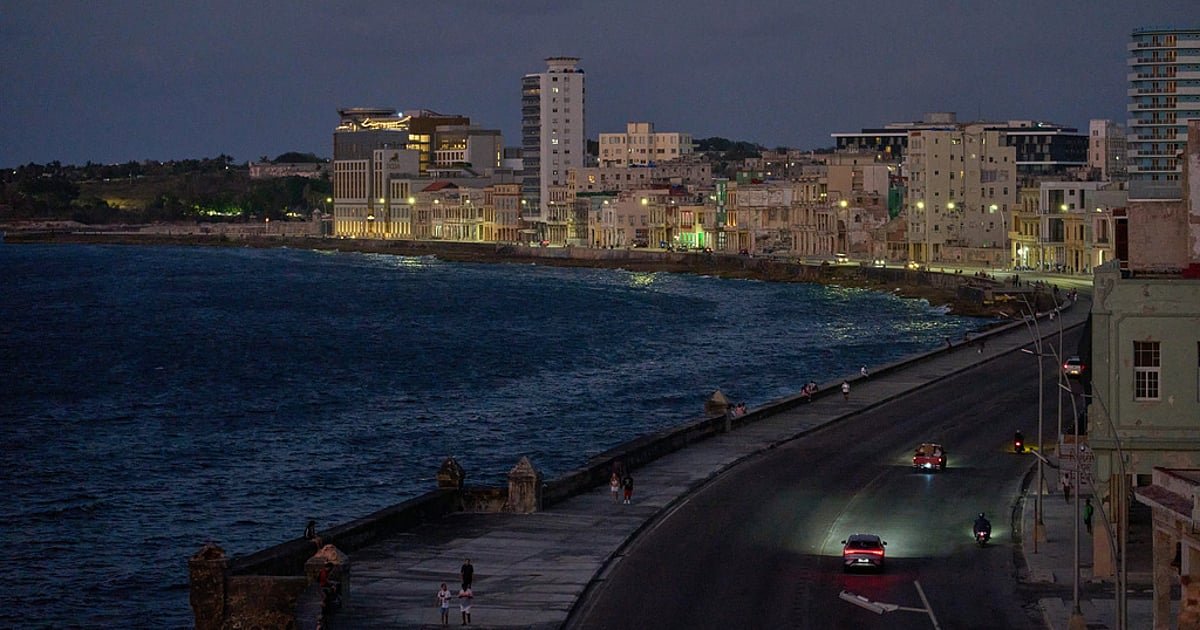

Today, gasoline sales are limited to 20 liters (5 gallons) per vehicle, and owners can wait months for a turn at the pump. Buses now stop running at 6 p.m., and international airlines, including Air France, Air Canada and Iberia, have suspended flights to Havana because they cannot refuel there. The sounds of cars have disappeared in the affluent neighborhood of El Vedado, where the landscape of chirping birds has reappeared.
The Cuban government reported 77,600 tourist arrivals in February, up from 178,000 in the same month a year earlier. “This is worse than the Special Period,” said 65-year-old parking attendant Dolores de la Caridad Méndez of the years of economic destruction that followed the collapse of the Soviet Union, Cuba’s Cold War protector, in the 1990s.
“Testing Everyone’s Endurance”
In contrast to his Democratic predecessors, US President Donald Trump has strengthened economic sanctions against Cuba, demanding an end to political repression, the release of political prisoners and the liberalization of the island’s ailing economy.
The deepening crisis has led to ongoing power outages, cuts to the state food ration system and severe shortages of water and medicine that have turned daily life into an ordeal for many on the island of 10 million people.



