
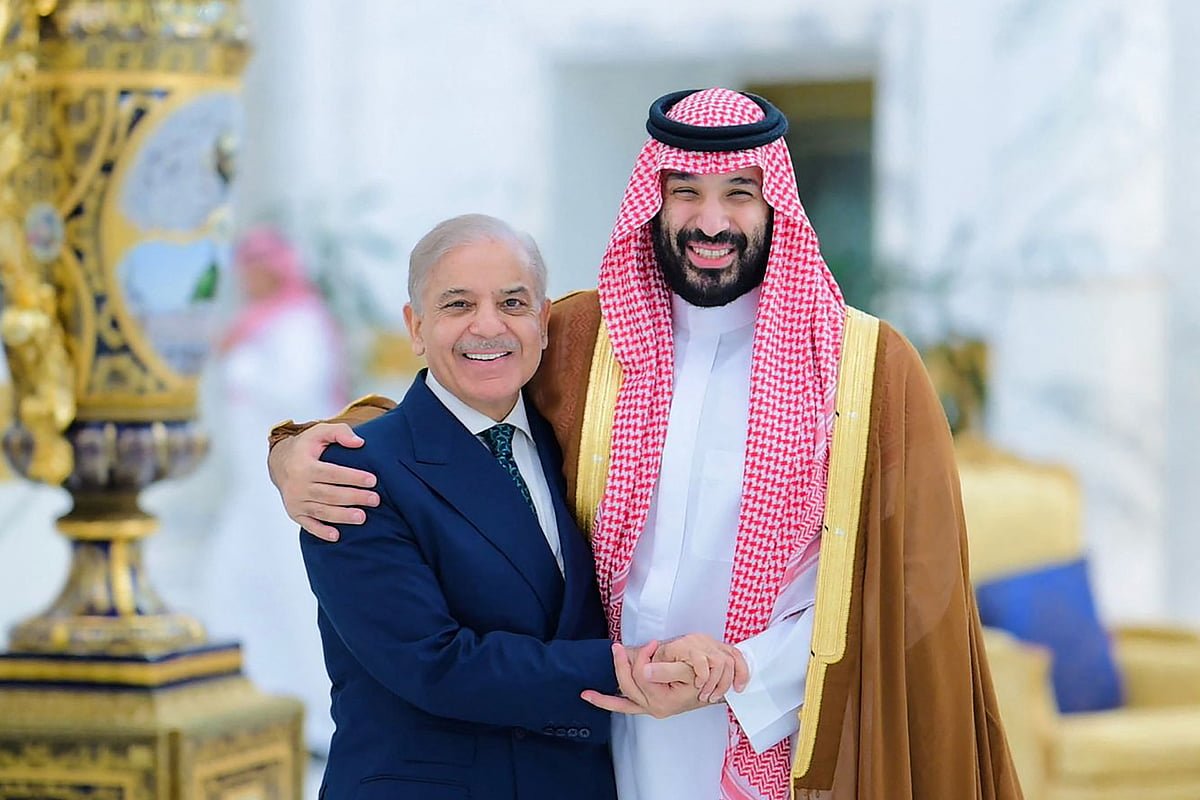

Dubai: Pakistan has intensified its diplomatic and military outreach across the Middle East this week in a coordinated effort aimed at mitigation of regional tensionswhile Prime Minister Shehbaz Sharif visited major Gulf capitals while the country’s army chief held high-level talks in Iran.
The parallel engagements in Saudi Arabia, Qatar, Turkey and Tehran underscore Islamabad’s growing efforts to position itself as a facilitator of dialogue at a time when conflict dynamics in the region have raised concerns about energy security, trade stability and broader geopolitical escalation.
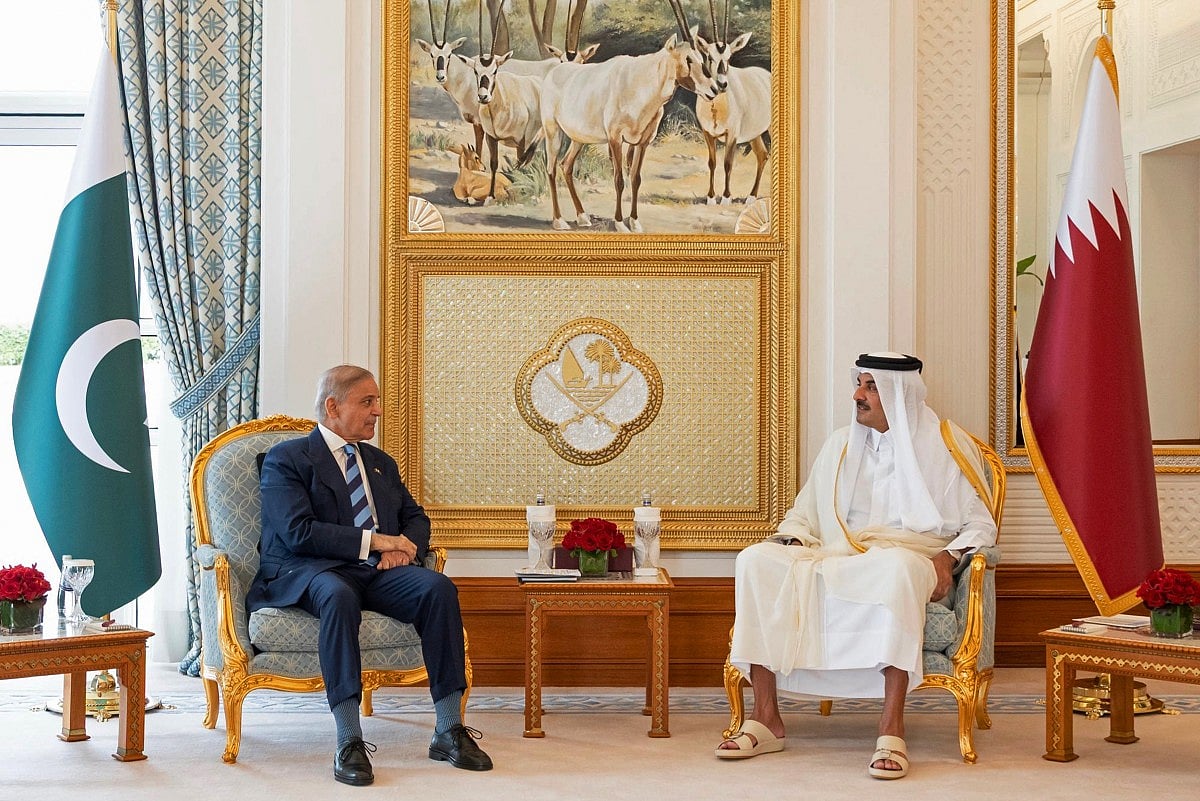
Prime Minister Sharif’s four-day diplomatic visit, which will run from April 15 to 18, has already taken him to Saudi Arabia and Qatar, with Turkey next on the itinerary. According to Pakistan’s Foreign Office, the visits focus on “continued bilateral cooperation as well as regional peace and security”, with a strong emphasis on de-escalation and coordinated international responses to instability in the Middle East.
Visit to Doha
In Doha, Sharif met Qatari Emir Sheikh Tamim bin Hamad Al Thani shortly after his arrival on Thursday, where the two leaders discussed the rapidly evolving regional situation. The prime minister said that both sides “stressed the importance of de-escalation, dialogue and close international coordination to ensure peace and stability”.
Qatar’s Minister of State for Foreign Affairs Sultan bin Saad Al-Muraikhi received Prime Minister Muhammad Shehbaz Sharif and the Pakistani delegation upon arrival at Doha Airport. April 16, 2026. pic.twitter.com/slcZ0VcKWj
— Prime Minister’s Office (@PakPMO) April 16, 2026
He reiterated Pakistan’s condemnation of the recent attacks affecting Qatar and other states in the region, adding, “We convey our full solidarity with the brotherly people of Qatar.” Sharif also expressed appreciation for Qatar’s gesture of sending fighter jets to escort his plane upon entering Qatari airspace, calling it a reflection of “extremely warm and generous hospitality”.
The Emir of Qatar, on the other hand, praised Pakistan’s role in promoting diplomatic engagement, expressing “deep appreciation for Pakistan’s leading role in supporting efforts to reduce tensions in the region.” Both leaders agreed on the importance of maintaining secure energy supply chains and avoiding further disruptions to global markets.
I had the pleasure and honor of meeting my beloved brother, His Royal Highness Crown Prince Mohammed bin Salman, today in Jeddah.
In the course of which, I conveyed Pakistan’s unwavering solidarity with the Kingdom and expressed my deep appreciation for the patience and… pic.twitter.com/C6fIobxM58
— Shehbaz Sharif (@CMShehbaz) April 15, 2026
The Saudi trip
Earlier in Saudi Arabia, Sharif met with Crown Prince Mohammed bin Salman in Jeddah in what officials described as a warm and constructive exchange focused on strengthening bilateral ties and promoting regional stability. The Prime Minister also visited Medina, where he prayed in the Prophet’s mosque, underlining the spiritual dimension of his visit.
Field Marshall in Iran
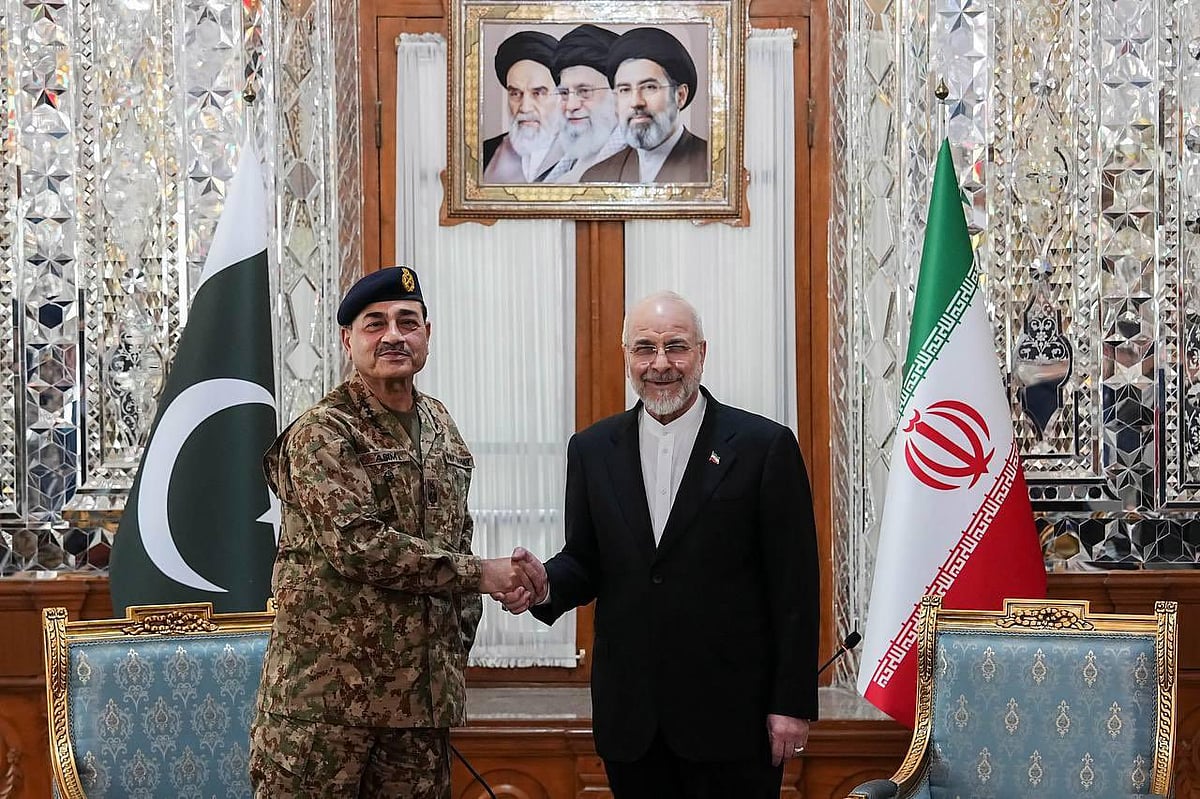
Separately, Pakistan’s military leadership added weight to Islamabad’s diplomatic messages. Marshal General Asim Munir traveled to Iran, where he met with senior Iranian officials involved in regional negotiations, including figures associated with previous US-Iran dialogue efforts.
Iranian state media confirmed meetings between General Munir and parliament speaker Mohammad Bagher Ghalibaf, who has played a role in previous rounds of indirect talks. Discussions reportedly focused on regional stability and the need to prevent further escalation in the Gulf.
Stabilizing force
The combined civilian and military deployment reflects Pakistan’s attempt to act as a stabilizing force amid heightened tensions after months of hostilities involving Iran, Israel and the United States. Regional energy corridors, particularly through the Strait of Hormuz, remain a central concern for global markets and Gulf economies.
Pakistan has already positioned itself as a facilitator in previous diplomatic contacts between Tehran and Washington, hosting exploratory discussions in Islamabad that contributed to a fragile ceasefire framework. Officials say those efforts remain active.
Field Marshal Syed Asim Munir, NI (M), HJ, #COAS & CDF of #Pakistan arrive in Tehran, #Iran
COAS & CDF welcomed by Foreign Minister Abbas Araghchi#AsimMunir #ISPR pic.twitter.com/B3mJuWOjkB
— Pakistan Armed Forces News (@PakistanFauj) April 15, 2026
“Our role as mediator and facilitator did not stop when the talks in Islamabad ended. It continued,” foreign ministry spokesman Tahir Andrabi said earlier this week, signaling Islamabad’s intention to remain engaged in back-channel diplomacy.
Analysts say Pakistan’s expansion reflects geopolitical necessity and strategic positioning. By engaging simultaneously with Tehran and major Gulf capitals, Islamabad is trying to maintain balance in relations that are both economically vital and politically sensitive.
visit to Turkey
Prime Minister Sharif is expected to take this message further at the Antalya Diplomacy Forum in Turkey, where Pakistan will present its position alongside other world leaders. Officials say the focus will remain on “dialogue over confrontation” and “collective security over unilateral escalation.”
The outcome of this coordinated diplomatic effort remains uncertain, but the tone emerging from regional capitals suggests a cautious openness to de-escalation. Sharif himself has emphasized that stability in the region “is not optional, but essential for global economic and energy security.”



