
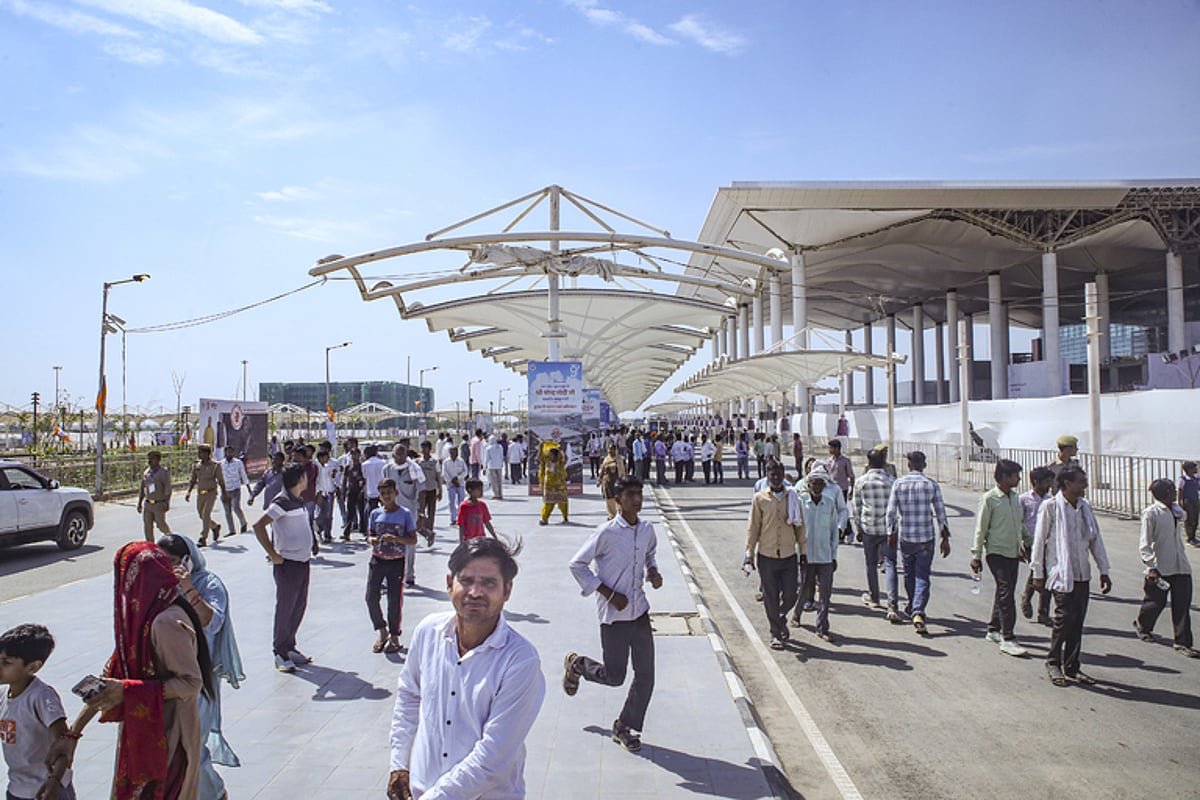

The airport recently inaugurated by Prime Minister Narendra Modi at Jewar outside Delhi is the country’s 165th. It is a milestone towards India’s ambitious target of flying over one billion passengers annually by 2047 and operationalizing 350-400 airports across the country. It is true that a nation as large and populous as India needs an extensive aviation network to complement its other mass transit systems. While the government’s ambition is well placed, it needs to ensure that the economics of expansion are matched by ground reality.
The Union civil aviation minister recently announced that India will induct 1,700 new aircraft to add to its existing fleet of over 1,200. By 2036, the country is expected to have around 3,000 aircraft if geopolitical tensions do not delay deliveries. Aircraft that were expected to be delivered in 10 years can now take up to 15 years. To operate such a large fleet, the country would require 10,000-12,000 more trained pilots, nearly double the current number. The aviation industry, which is estimated to currently support around 7 million jobs directly and indirectly, has the potential to generate 3.5 times more employment.



