
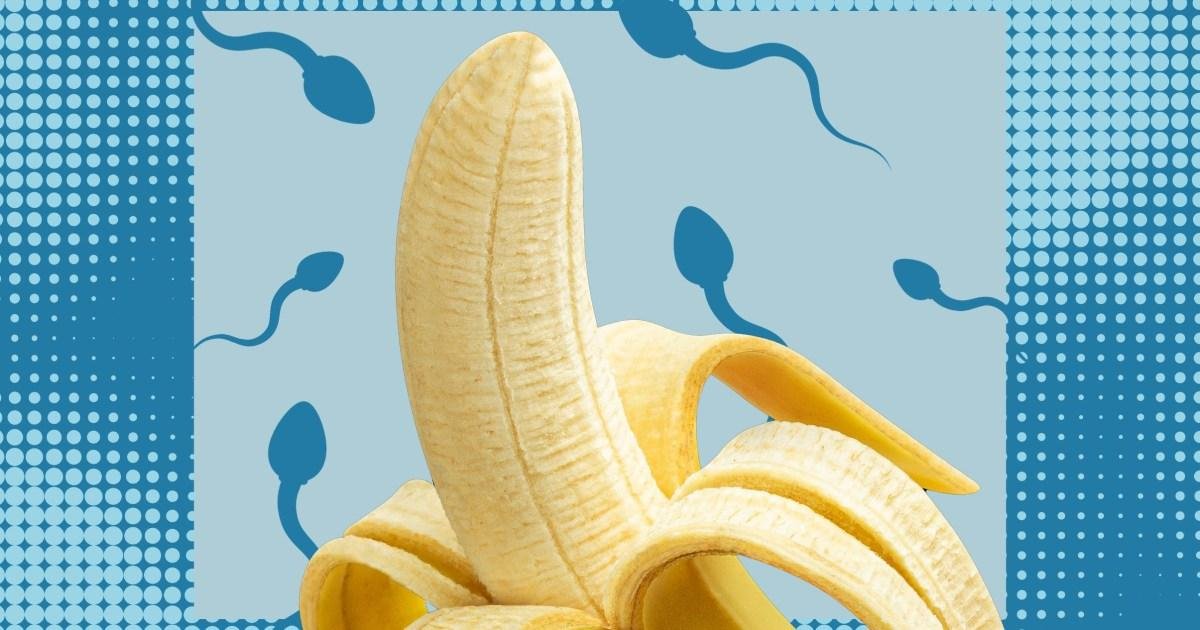


For years, men trying to conceive – or undergoing fertility treatment – have been told to refrain from ejaculating for anywhere from two days to a week to ‘build up’ their sperm count.
But new research suggests that strategy may need a review.
A major new analysis led by researchers at the University of Oxford has found that sperm don’t age particularly well when left sitting around. In fact, the longer it is stored in the male body, the worse it works.
Scientists analyzed data from 115 studies involving nearly 55,000 men, along with animal research, and found a consistent pattern: sperm quality declines over time.
Abstinence led to more DNA damage, decreased mobility (aka slower swimmers), and lower overall endurance.
In other words, leaving the sperm to ‘marinate’ doesn’t do them any favours.
So how often? MUST ejaculate?
Current World Health Organization guidelines recommend 2-7 days of abstinence to maximize sperm count, especially for diagnostic testing.
However, according to research, a gap of approx 48 hours between ejaculations can true improve sperm quality.
The longer the participants abstained before providing a sample, the more their sperm showed DNA damage and oxidative stress, along with decreased sperm motility (movement) and viability.

While no difference was observed in terms of fertilization success, biologist and lead author Dr Krish Sanghvi says the study’s findings reveal “a biologically meaningful and important effect”.
It also bolsters the results of a recent clinical trial involving 453 couples undergoing IVF, where pregnancy rates were 46% when men abstained for less than two days before treatment, compared with 36% for those who waited between two and seven days.
So when it comes to getting pregnant, the latest science shows that quality may be more important than (or at least as much as) quantity. And while that doesn’t mean the previous advice is wrong, experts stress the importance of striking a balance.

“All we recommend is that clinicians and couples reconsider whether prolonged abstinence is always good, because abstinence leads to deterioration of sperm quality,” Sanghvi said. The Guardian.
“If sperm quantity is the only thing that matters to a clinic or couple, then sexual abstinence is not necessarily a bad thing. But usually the success of fertilization will be determined not only by the number of sperm, but also by the quality of the sperm, for example in IVF.’
Why does sperm quality decline?
It all depends on biology.
Sperm cells are surprisingly fragile. Over time, they are exposed to oxidative stress, which damages their DNA and gradually runs out of energy – making them slower and less able to fertilize an egg.
“Because sperm are highly motile and have minimal cytoplasm, they quickly deplete their stored energy reserves and have limited capacity for repair,” explained Oxford study author Dr Rebecca Dean. “This makes storage particularly damaging compared to other cell types.”
As such, regular ejaculation can essentially ‘flush out’ older, damaged sperm and make way for younger, healthier ones.
When is it also However, frequent sperm counts can be lower, so somewhere in the middle might be the sweet spot between strong swimmers and lots of them.
Have a story to share?
Contact by sending email MetroLifestyleTeam@Metro.co.uk.
MORE: ‘Lightning’ is the shock symptom that strikes Britons several times a month
MORE: Experts share how to sleep better with the clocks going forward
MORE: Come back, this is what really happens to your body when you stand in the ring



