

A fossil first discovered in the 1980s only recently received a closer look, revealing groundbreaking evolutionary information.
(CN) – A newly described fossil from the Cambrian period is reshaping scientists’ understanding of how some of today’s arthropods first evolved.
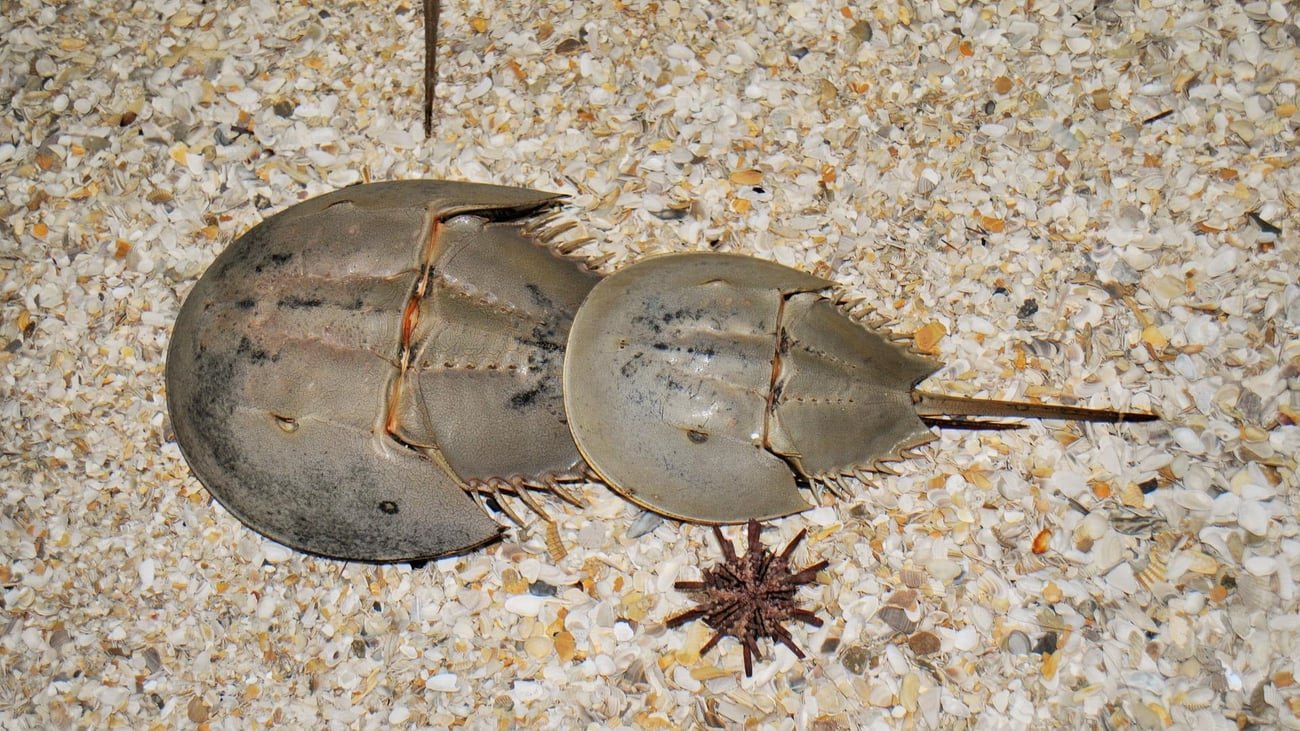
In a recent study published in Natureresearchers from Harvard University report the discovery of Megachelicerax cousteaui, a 500-million-year-old fossil that is the oldest known chelicerate. Chelicerates are a large group of arthropods that includes spiders, scorpions, horseshoe crabs and sea spiders, and this discovery pushes back the origin of the lineage by approximately 20 million years.
The discovery was made during a routine fossil preparation by Rudy Lerosey-Aubril, a research scientist in Harvard University’s Department of Organismic and Evolutionary Biology. While examining the specimen under a microscope, Lerosey-Aubril noticed something unusual: a claw-like structure where an antenna would normally be expected in Cambrian arthropods.
That structure turned out to be a chelicera, a special pincer-like appendage used for feeding. Chelicerae are a defining feature of chelicerates, setting them apart from insects, which possess antennae instead. Until now, no clear example of a chelicera-bearing arthropod had been identified from the Cambrian period.
“Claws are never in that place in a Cambrian arthropod,” Lerosey-Aubril said, explaining that it took him a few minutes to realize he had just exposed the oldest chelicera ever found. He then spent more than 50 hours carefully cleaning the fossil with a fine needle.
At just over 8 centimeters long, M. cousteaui’s body already hints at the complexity seen in modern relatives. Most importantly, its chelicerae confirm key features of the chelicera body plan, “the anatomical blueprint of spiders and horseshoe crabs,” were already in place much earlier than previously documented.
Before this discovery, the earliest known chelicerates came from fossils dating to about 480 million years ago in what is now Morocco. M. cousteaui predates these specimens from the Cambrian period, a time known for rapid evolutionary innovation, and provides an essential evolutionary link between earlier arthropods and those resembling modern species.
The fossil itself has a long history. It was originally discovered in Utah’s Wheeler Formation by noted fossil collector Lloyd Gunther and donated to the University of Kansas Biodiversity Institute and Museum of Natural History in 1981. For decades, it remained part of a larger collection of seemingly ordinary specimens.
Only recently has it been reexamined in detail, underscoring the importance of museum collections that preserve material that can yield new insights as scientific techniques and technologies evolve.
The species name, Megachelicerax cousteaui, honors French ocean explorer Jacques-Yves Cousteau, whose work helped bring public attention to marine life and conservation. The researchers chose the name to reflect the fossil’s marine origins and its role in deepening our understanding of ancient ocean ecosystems.
“Cousteau and his crew inspired generations to look beneath the surface,” said Lerosey-Aubril. “It seemed fitting to name this ancient sea animal after someone who changed the way we see life in the ocean.”
Subscribe to our free newsletters
Our weekly newsletter Closing arguments provides the latest on ongoing trials, major litigation and decisions in courts around the US and the world, while monthly Under the lights feeds legal dirt from Hollywood, sports, Big Tech and the arts.



